

In the ever-evolving landscape of agricultural science, innovation is key to addressing the global challenges of food security, sustainability, and environmental protection. One of the most promising and innovative strategies emerging today is the repurposing of pharmaceutical intermediates that, while not suitable for medicinal use, possess unique properties that make them exceptionally effective as agrochemicals. This approach not only represents a paradigm shift in resource utilization but also aligns perfectly with the global push towards a circular economy, reducing waste and unlocking new value from existing chemical libraries.
At the forefront of this movement is the expertise in developing high-purity chemical compounds. The journey of a molecule from synthesis to application is complex, and sometimes a compound intended for one purpose discovers its true calling in another field entirely. This is particularly true for active pharmaceutical intermediates (APIs), which are the building blocks of modern medicine. When an API fails to meet the stringent requirements for human therapeutics, due to reasons unrelated to its biological activity—such as pharmacokinetics or specific toxicity profiles—it doesn't mean the molecule is without value. Often, these very properties can be harnessed for the benefit of agriculture, offering novel modes of action against pests, fungi, and weeds that existing agrochemicals struggle to control.
This article explores this exciting frontier, focusing on how specific, well-characterized molecules are finding a new lease on life in the fields, contributing to more robust and sustainable agricultural practices worldwide.
The Hidden Potential Within Pharmaceutical Intermediates
The discovery and development of a new drug is a long, expensive, and arduous process. For every successful drug that reaches the market, thousands of candidate molecules are synthesized and tested. Many of these candidates fall by the wayside during various stages of development. These are not failed molecules; they are simply molecules that did not fit the precise and narrow criteria for human pharmaceuticals. However, within these so-called "failures" often lies immense potential for other applications.
Pharmaceutical intermediates are the crucial stepping stones in the synthesis of an active drug substance. They are meticulously designed and produced to high standards of purity. When a drug development program is halted, the investment in creating these intermediates is not lost. Their well-defined chemical structures and known biological activities provide a treasure trove of data for agrochemical scientists. A compound designed to interact with a specific enzyme in a human pathogen might just as effectively inhibit a similar enzyme in a plant fungus. A molecule that showed unintended effects in mammalian cells could be perfectly tailored to disrupt the cellular processes of invasive weeds or insects.
This repurposing strategy offers significant advantages. It drastically reduces the time and cost associated with developing a new agrochemical from scratch. The safety and toxicological data already gathered during pharmaceutical testing provides a solid foundation for the environmental and regulatory assessment required for agrochemical registration. By looking at these intermediates through an agricultural lens, we can rapidly identify promising candidates for a new generation of crop protection agents, ensuring that valuable research and chemical innovation continue to contribute to society in a meaningful and sustainable way.
1,3-Dimethylurea: A Case Study in Successful Repurposing
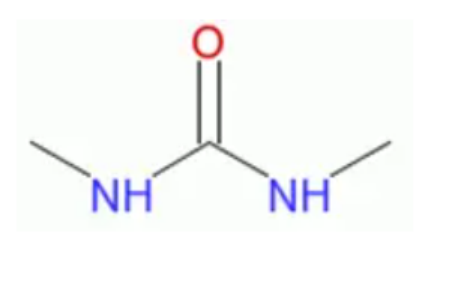
A prime example of this successful transition from the lab bench to the field is 1,3-Dimethylurea (DMU). Initially explored within pharmaceutical research for its potential as a building block in various syntheses, this compound has demonstrated exceptional utility far beyond its original intent. Its unique chemical properties make it a versatile and valuable agent in modern agriculture.
1,3-Dimethylurea belongs to a class of organic compounds known for their stability and reactivity. In agricultural applications, it has shown great promise as a slow-release nitrogen fertilizer and a potent plant growth regulator. Nitrogen is crucial for plant growth, but traditional nitrogen fertilizers are often inefficient, with significant amounts lost to leaching into waterways or volatilization into the atmosphere, causing environmental concerns. DMU offers a smarter solution. Its molecular structure allows it to break down gradually in the soil, providing a steady, controlled supply of nitrogen to crops over an extended period. This enhances nutrient uptake efficiency, promotes healthier and more consistent growth, and significantly reduces the environmental footprint of farming operations.
Furthermore, research indicates that 1,3-Dimethylurea can act as a key intermediate in the synthesis of other advanced agrochemical agents. Its role demonstrates the core principle of repurposing: a deep understanding of a molecule's fundamental properties allows for its application in a completely different, yet equally important, industry. The journey of DMU from a pharmaceutical intermediate to a agricultural champion underscores the vast potential that lies within existing chemical inventories, waiting to be unlocked for the benefit of global agriculture.
|
Parameter |
Description |
|
Product Name |
N,N’-Dimethyl urea; 1,3-Dimethylurea |
|
Other Names |
N,N’-dimethyl-Urea: 1,3-dimethyl-ure;n,n’-dimethylharnstoff;n,n’-dimethylharnstoff (german);sym-dimethylurea |
|
CAS No. |
96-31-1 |
|
Molecular Weight |
88.1 |
|
Molecular Formula |
C3H8N2O |
|
Main Uses |
Used as a slow-release nitrogen fertilizer, plant growth regulator, and intermediate in the synthesis of other agrochemicals. Also used in fiber treatment, as a crosslinking agent free of formalin, and in pharmaceutical synthesis. |
|
Package |
25kg/bag;One 20FCL can load 12mt with pallets. |
|
Storage |
Stored in a dry, ventilated storeroom; prevent direct sunlight. |
The Strategic Advantage of Active Pharmaceutical Intermediates
The transition of a compound like 1,3-Dimethylurea is facilitated by the inherent qualities of active pharmaceutical intermediates. The term "active" in this context is key. These are not inert substances; they are biologically potent molecules designed to elicit a specific response at a cellular level. This inherent bioactivity is precisely what makes them so valuable for agrochemical applications.
Active pharmaceutical intermediates are manufactured to exceptionally high standards of purity and consistency. This rigorous quality control, a necessity for human health applications, translates directly into superior and reliable performance in agrochemical formulations. Farmers and formulators can trust that each batch will perform identically, ensuring predictable results in crop protection and enhancement.
Moreover, the structural complexity of many APIs often leads to novel modes of action. Over-reliance on a few classes of agrochemicals has led to widespread issues of resistance among pests and pathogens. Repurposed pharmaceutical intermediates can offer entirely new chemical scaffolds that pests have not encountered before, effectively bypassing existing resistance mechanisms. This provides agricultural scientists with powerful new tools to manage resistance and protect crop yields. The strategic use of these well-characterized, potent intermediates allows for the development of more effective, targeted, and environmentally conscious agrochemical solutions, driving the industry towards a more sustainable future.
FAQs About Repurposed Agrochemical pharmaceutical Intermediates
What are the main advantages of using repurposed pharmaceutical intermediates like 1,3-Dimethylurea in agriculture?
The advantages are multifold. First, it significantly accelerates the development timeline, bringing effective solutions to market faster. Second, the extensive existing data on these molecules de-risks the process and aids in regulatory approval. Third, they often introduce novel modes of action, helping to combat pest resistance. Finally, this approach is inherently sustainable, giving a second life to valuable chemical compounds and reducing overall R&D waste.
How does the quality of an active pharmaceutical intermediate benefit agrochemical performance?
Active pharmaceutical intermediates are produced under strict quality control protocols to achieve very high purity levels. This superior purity ensures consistent, reliable, and predictable performance in the field. There is minimal batch-to-batch variation, which translates to uniform application results, enhanced safety profiles, and overall greater efficacy of the final agrochemical product.
Why is 1,3-Dimethylurea considered an effective nitrogen source?
1,3-Dimethylurea functions as an excellent slow-release nitrogen fertilizer. Its chemical structure is designed to break down gradually through microbial activity in the soil. This provides a sustained, steady supply of nitrogen to plants over time, dramatically improving nutrient use efficiency, promoting stronger root systems, and reducing nitrogen loss through leaching and volatilization, which protects the environment.
Is the repurposing process for these pharmaceutical intermediates safe for the environment?
Absolutely. Repurposing begins with a comprehensive review of all existing environmental and toxicological data from its pharmaceutical development phase. This provides a strong foundation for understanding the compound's behavior in the environment. Furthermore, the goal is to select compounds that are effective at lower doses and have favorable environmental profiles, ultimately leading to safer agrochemicals with reduced ecological impact.
Can using these pharmaceutical intermediates help with resistance management?
Yes, this is one of the most significant benefits. Repurposed pharmaceutical intermediates often belong to entirely new chemical classes compared to conventional agrochemicals. This novelty means they interact with pests and pathogens in unique ways, offering new modes of action. Integrating these tools into crop management programs is a powerful strategy to overcome existing resistance and protect the longevity of all crop protection products.