

API in Pharma Example: A Comprehensive Overview
Active Pharmaceutical Ingredients (APIs) are the biologically active components of a drug product. Understanding the sourcing, quality control, and regulatory landscape of APIs is crucial in the pharmaceutical industry. This article will explore the importance of APIs, common examples, manufacturing considerations, and the role of suppliers like KXDChem. We’ll delve into the complexities of API production and the need for reliable partners to ensure product integrity and compliance.
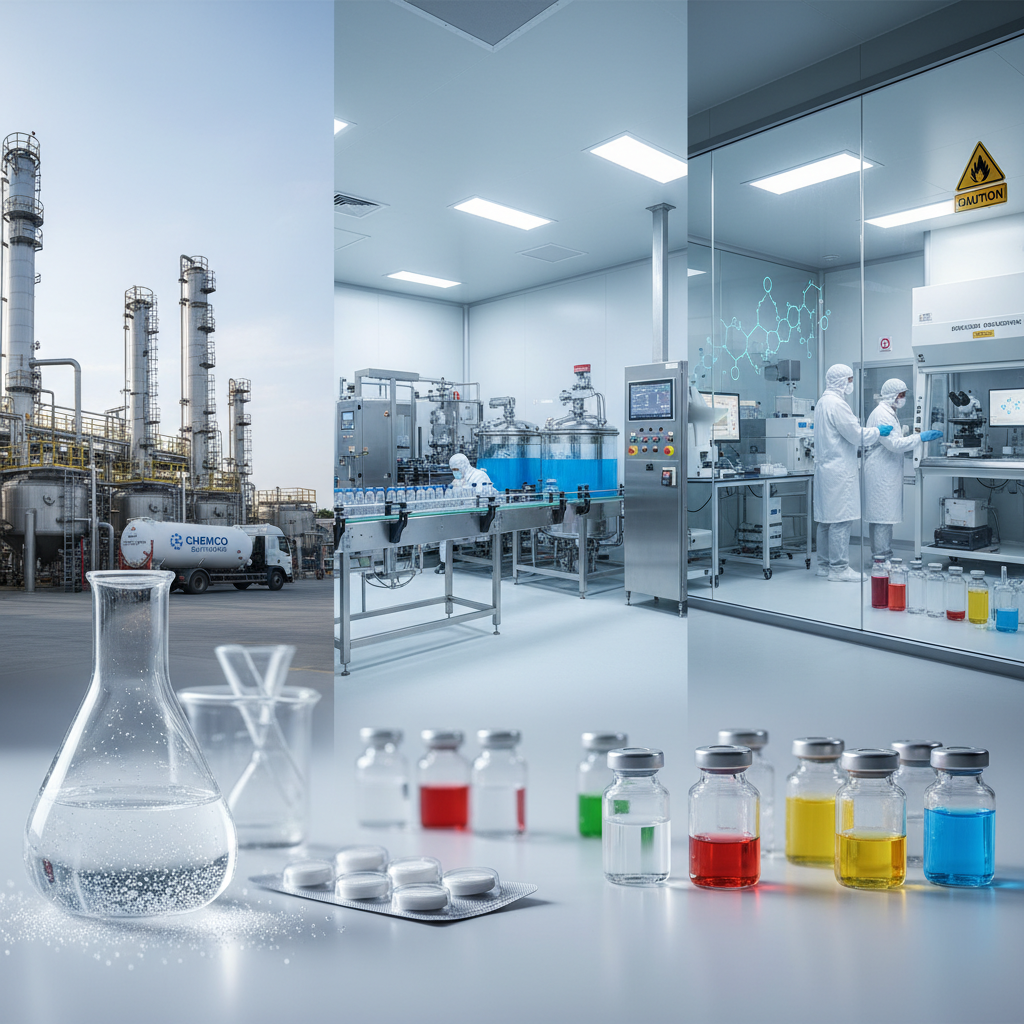
What are APIs and Why are They Important?
APIs are the core ingredients that produce the intended effects of a medication. They’re distinct from excipients, which are inactive substances that serve as the vehicle for delivering the API. The quality, purity, and consistency of an API directly impact the safety and efficacy of the final drug product. Therefore, rigorous quality control measures throughout the API manufacturing process are paramount. Pharmaceutical companies rely on dependable API suppliers who adhere to stringent regulatory standards such as Good Manufacturing Practice (GMP). Without high-quality APIs, a drug's effectiveness is compromised, potentially leading to adverse patient outcomes.
Key Takeaway: API quality is directly linked to drug safety and efficacy. Reliable sourcing and stringent quality control are non-negotiable.
Common Examples of APIs
The range of APIs is vast, encompassing various therapeutic categories. Some common examples include:
- Paracetamol (Acetaminophen): A widely used analgesic and antipyretic.
- Atorvastatin: A statin used to lower cholesterol.
- Amlodipine: A calcium channel blocker used to treat hypertension.
- Metformin: A biguanide used to treat type 2 diabetes.
- Omeprazole: A proton pump inhibitor used to reduce stomach acid.
These examples represent just a fraction of the thousands of APIs used globally. The complexity of API synthesis varies greatly, with some being relatively straightforward and others requiring multi-step chemical processes.
API Classification by Therapeutic Area:
• Cardiovascular: Atorvastatin, Amlodipine
• Analgesic/Antipyretic: Paracetamol
• Anti-diabetic: Metformin
• Gastrointestinal: Omeprazole
API Manufacturing Processes
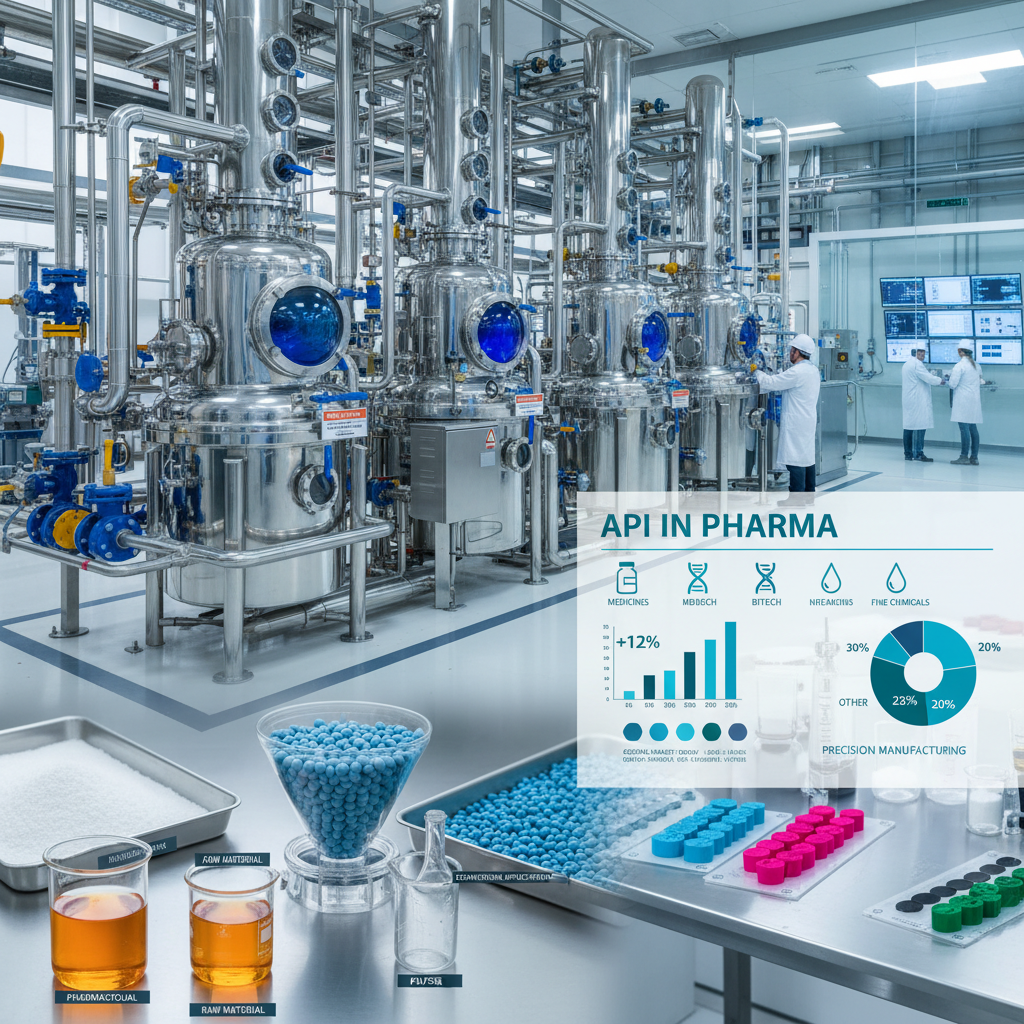
API manufacturing typically involves several key stages: chemical synthesis, fermentation, or extraction from natural sources. Chemical synthesis is the most common method, often involving complex organic reactions. Fermentation is utilized for certain APIs, such as antibiotics. Extraction is used for APIs derived from plants or animals. Each method presents unique challenges related to process control, impurity profiling, and yield optimization. Effective process analytical technology (PAT) is crucial for monitoring and controlling critical process parameters (CPPs) to ensure consistent API quality. Companies like KXDChem specialize in providing APIs manufactured under strict GMP guidelines, offering traceability and assurance of quality.
Regulatory Requirements & Quality Control
The pharmaceutical industry is heavily regulated, and APIs are subject to rigorous quality control standards enforced by regulatory bodies like the FDA (in the US), EMA (in Europe), and PMDA (in Japan). These standards include adherence to GMP guidelines, detailed documentation of manufacturing processes, and comprehensive testing for purity, potency, and identity. Key tests include HPLC (High-Performance Liquid Chromatography), GC (Gas Chromatography), and spectroscopic analyses. Maintaining a robust quality management system (QMS) is essential for ensuring compliance and preventing product defects. Audits by regulatory agencies and customers are commonplace, requiring API manufacturers to demonstrate a commitment to quality and transparency.
Choosing the Right API Supplier
Selecting a reliable API supplier is critical. Key considerations include: GMP compliance, a proven track record of quality, supply chain security, competitive pricing, and excellent customer support. KXDChem, as an example, provides a range of high-quality APIs with full documentation and support for regulatory filings. Conducting thorough due diligence, including supplier audits and review of quality certificates, is essential before establishing a long-term partnership. A responsive and transparent supplier can help mitigate risks and ensure a consistent supply of critical APIs.
Conclusion: The Foundation of Pharmaceutical Innovation
APIs are the fundamental building blocks of pharmaceuticals. Ensuring their quality, purity, and reliable supply is paramount for patient safety and the success of the pharmaceutical industry. By partnering with reputable suppliers like KXDChem and adhering to stringent regulatory standards, pharmaceutical companies can maintain the highest levels of product integrity and drive innovation.
Frequently Asked Questions (FAQs)
What is the difference between an API and an excipient?
The key difference lies in their function. An API is the biologically active component responsible for the drug’s therapeutic effect. An excipient, on the other hand, is an inactive substance that serves as a carrier or vehicle for the API. Excipients help with formulation, stability, and administration of the drug. While excipients don't have a direct therapeutic effect, they are vital for ensuring the API reaches its target within the body and maintains its efficacy.
What is GMP and why is it important for API manufacturing?
GMP stands for Good Manufacturing Practice. It’s a system of quality assurance that aims to ensure that products are consistently produced and controlled according to quality standards. In the context of API manufacturing, GMP encompasses all aspects of production, from raw material sourcing to packaging and labeling. Adhering to GMP is crucial because it minimizes risks associated with contamination, errors, and deviations, guaranteeing the safety, purity, and efficacy of the API. Regulatory authorities worldwide require API manufacturers to be GMP compliant.
What is the role of process analytical technology (PAT) in API manufacturing?
Process Analytical Technology (PAT) involves using real-time measurements of critical process parameters (CPPs) to monitor and control manufacturing processes. This allows for continuous monitoring of API quality and optimization of production. PAT helps to identify and address potential issues proactively, ensuring consistent product quality and reducing the risk of defects. Techniques used in PAT include spectroscopic analysis, chromatography, and chemometrics.