

API in Pharma Meaning: A Comprehensive Guide
In the pharmaceutical industry, the term API – Active Pharmaceutical Ingredient – is fundamental. It refers to the component within a medicine that produces its intended effects. Understanding the nuances of APIs is crucial for manufacturers, researchers, and anyone involved in drug development and production. This article will delve into the meaning of API in pharma, exploring its role, regulatory considerations, manufacturing processes, and the importance of sourcing from reliable suppliers like KXD Chemical. We’ll also discuss the evolving landscape of API production and the growing focus on quality and sustainability.
What Exactly is an API?
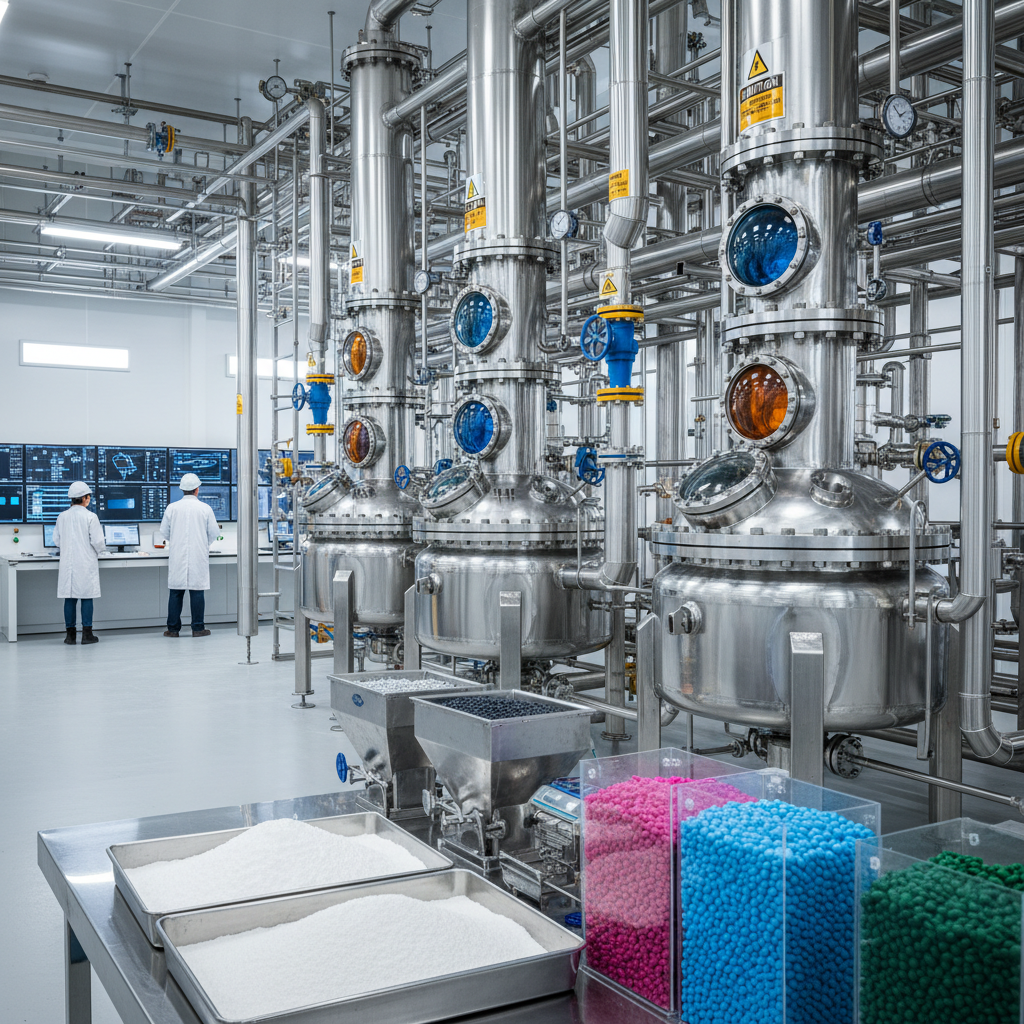
Simply put, an API is the biologically active component of a drug product. It’s the “substance in a finished dosage form, which is responsible for determining the pharmacological activity of the drug.” Unlike excipients, which serve as a delivery system or aid in formulation, the API is what makes the medicine work. An API can be a chemical compound, a biological substance (like a protein), or even a complex mixture of compounds. The quality, purity, and consistency of the API are paramount to the safety and efficacy of the final drug product. KXD Chemical specializes in providing high-quality APIs for a variety of pharmaceutical applications.
Key Takeaway: The API is the core therapeutic ingredient in any medicine, directly responsible for its pharmacological effect.
API Manufacturing Processes
API manufacturing is a complex process, often involving multiple chemical synthesis steps. Common methods include chemical synthesis, fermentation, and extraction from natural sources. Each process requires strict control and adherence to Good Manufacturing Practices (GMP) to ensure consistent quality and purity. The choice of manufacturing process depends on the API’s chemical structure, complexity, and desired production scale. KXD Chemical employs advanced manufacturing techniques and rigorous quality control measures to produce APIs that meet the highest industry standards.
Common API Manufacturing Methods:
• Chemical Synthesis: Building the API from simpler chemical precursors.
• Fermentation: Utilizing microorganisms to produce the API.
• Extraction: Isolating the API from natural sources like plants or animals.
API Regulatory Landscape
The manufacturing and quality control of APIs are heavily regulated by agencies like the FDA (in the US), EMA (in Europe), and other national regulatory bodies. These regulations aim to ensure the safety, efficacy, and quality of drug products. Key regulatory requirements include adherence to GMP guidelines, comprehensive documentation, rigorous testing, and validation of manufacturing processes. Compliance with these regulations is essential for pharmaceutical companies to market their products globally. KXD Chemical maintains strict adherence to all relevant regulatory standards.
Choosing a Reliable API Supplier
Selecting a reputable API supplier is critical for pharmaceutical companies. Factors to consider include the supplier’s quality control systems, regulatory compliance record, manufacturing capabilities, supply chain reliability, and pricing. A strong supplier can ensure a consistent supply of high-quality APIs, minimizing risks and maximizing efficiency. KXD Chemical is a trusted partner for pharmaceutical companies seeking reliable API sourcing.
The Future of API Manufacturing
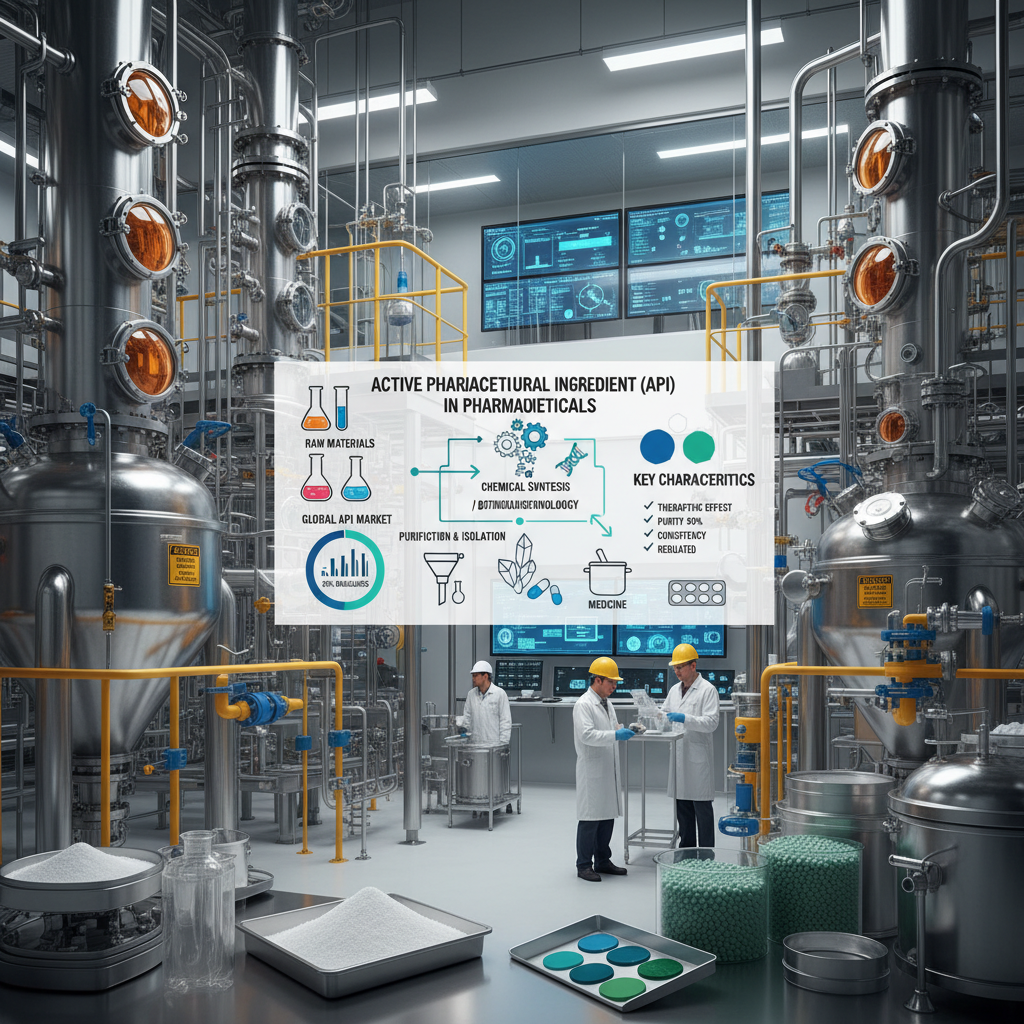
The API manufacturing landscape is evolving rapidly, with a growing emphasis on continuous manufacturing, green chemistry, and supply chain resilience. Continuous manufacturing offers the potential for increased efficiency, reduced costs, and improved quality control. Green chemistry principles aim to minimize waste and environmental impact. Building robust and diversified supply chains is crucial to mitigate risks associated with geopolitical instability and natural disasters. KXD Chemical is committed to innovation and sustainability in API manufacturing.
Conclusion
Understanding the meaning of API in the pharmaceutical industry is essential for ensuring the quality, safety, and efficacy of medicines. From manufacturing processes to regulatory compliance and supplier selection, every aspect of API handling requires meticulous attention. KXD Chemical stands as a reliable partner, providing high-quality APIs and supporting the advancement of pharmaceutical innovation.
Frequently Asked Questions (FAQs)
What is the difference between an API and a pharmaceutical excipient?
The key difference lies in their function. An API is the biologically active substance responsible for the drug's therapeutic effect. Excipients, on the other hand, are inactive ingredients that serve various purposes, such as binding the API, controlling its release, improving stability, or enhancing absorption. Excipients are crucial for the formulation and delivery of the API, but they do not have a direct pharmacological effect. Without the API, the medicine wouldn't work; without excipients, it might not be effectively delivered or properly formulated.
What are GMP guidelines and why are they important for API manufacturing?
GMP stands for Good Manufacturing Practice. These are a set of regulations enforced by regulatory agencies like the FDA and EMA to ensure that pharmaceutical products, including APIs, are consistently produced and controlled according to quality standards. GMP covers all aspects of production, from raw materials to facilities and equipment to personnel training. Adherence to GMP guidelines is critical for minimizing risks related to contamination, errors, and deviations, ultimately ensuring the safety and efficacy of the final drug product. Without GMP, there's a significant risk of producing substandard or harmful medications.
What is the role of process validation in API manufacturing?
Process validation is a critical step in API manufacturing that involves establishing documented evidence that a process consistently produces a product meeting predetermined specifications and quality attributes. It confirms that the manufacturing process is robust and reliable, minimizing the risk of variability and ensuring consistent product quality. Process validation includes qualification of equipment, validation of analytical methods, and demonstration of the process's ability to consistently produce an API that meets all required standards.