

API in Pharmacy Definition: A Comprehensive Guide
In the pharmaceutical industry, the term API (Active Pharmaceutical Ingredient) is fundamental. But what exactly is an API? Simply put, an API is the component within a drug product that produces the intended therapeutic effect. Understanding APIs is critical for anyone involved in drug development, manufacturing, and regulatory compliance. This article will delve into the definition of API in pharmacy, its characteristics, manufacturing considerations, and quality control processes. We'll explore the importance of sourcing high-quality APIs from reliable suppliers like KXD Chemical, and how adherence to stringent standards ensures patient safety and drug efficacy.
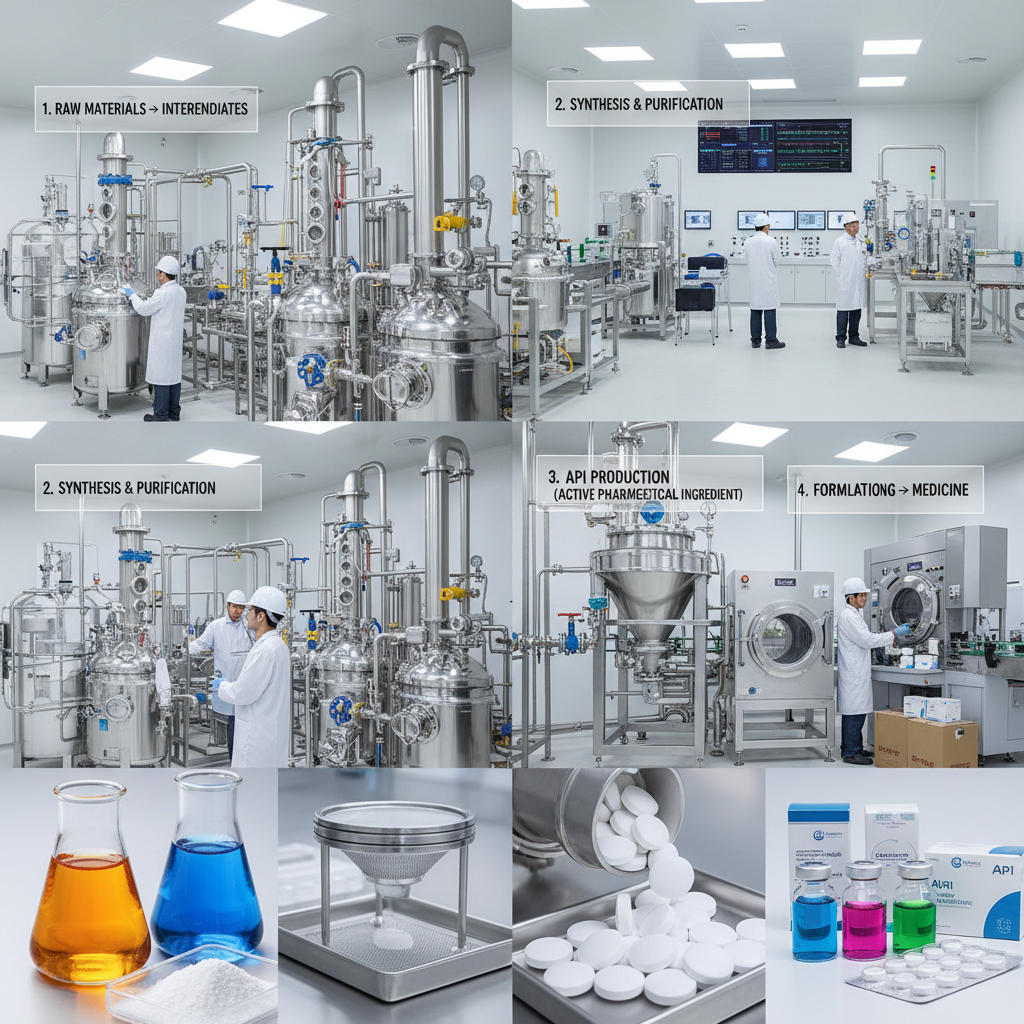
What Exactly is an API? Defining the Core of a Drug
As previously stated, an API is the biologically active component in a drug product. It’s the ingredient that directly interacts with the body to produce the desired pharmacological effect. Unlike excipients – inactive substances that serve as a vehicle or aid in administration – APIs are the therapeutic agents. APIs can be derived from natural sources (like plants, animals, or microorganisms) or synthesized chemically. The purity, potency, and stability of an API are paramount, directly impacting the safety and effectiveness of the final drug product. Consider the vast range of medications available – each relies on a specific API to target a particular disease or condition. The development and production of high-quality APIs is, therefore, a cornerstone of the pharmaceutical industry.
Key Takeaway: The API is the active ingredient in a drug that creates the therapeutic effect, while excipients are inactive ingredients used for delivery and stability.
API Manufacturing Processes: From Synthesis to Purification
Manufacturing APIs is a complex, multi-step process. It generally involves chemical synthesis, fermentation, or extraction from natural sources. Chemical synthesis involves a series of chemical reactions to build the API molecule from smaller precursor molecules. Fermentation utilizes microorganisms to produce the API, and extraction involves isolating the API from plant or animal tissues. Regardless of the method, rigorous purification steps are critical to ensure the API meets stringent quality standards. These steps can include crystallization, chromatography, and distillation. Maintaining consistent manufacturing processes and adhering to Good Manufacturing Practices (GMP) are essential to guarantee the API's quality and reproducibility. KXD Chemical employs state-of-the-art manufacturing facilities and adheres to the highest GMP standards.
API Manufacturing Methods:
• Chemical Synthesis: Building the API molecule from smaller precursors.
• Fermentation: Using microorganisms to produce the API.
• Extraction: Isolating the API from natural sources.
API Quality Control: Ensuring Purity and Potency
Quality control (QC) is paramount throughout the entire API manufacturing process. Stringent analytical testing is performed at each stage to ensure the API meets predefined specifications for purity, potency, identity, and safety. Common QC tests include High-Performance Liquid Chromatography (HPLC), Gas Chromatography (GC), Mass Spectrometry (MS), and spectroscopic methods. These tests confirm the API’s chemical structure, detect any impurities, and quantify its concentration. Regulatory agencies like the FDA require comprehensive QC documentation and adherence to strict quality standards to ensure patient safety. The quality control procedures at KXD Chemical are meticulously documented and regularly audited.
API Sourcing and Regulatory Considerations
Selecting a reputable API supplier is critical for pharmaceutical companies. Factors to consider include the supplier’s quality system, manufacturing capabilities, regulatory compliance history, and supply chain reliability. Suppliers should be regularly audited to ensure they meet the required standards. Regulatory bodies like the FDA have strict guidelines for API manufacturing and sourcing, including requirements for documentation, validation, and traceability. Compliance with these regulations is essential for obtaining drug approval and ensuring patient safety. Working with a trusted partner like KXD Chemical simplifies the API sourcing process and provides peace of mind.
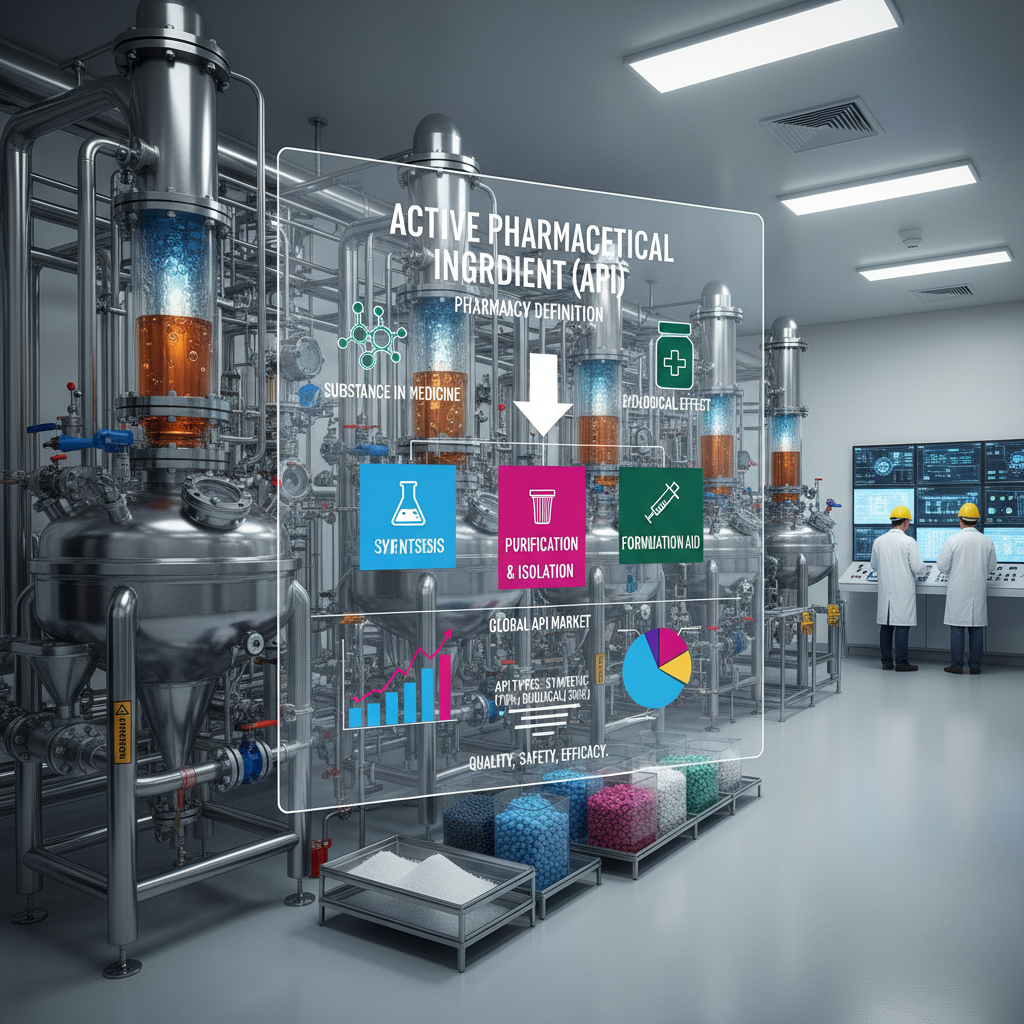
The Future of API Development and Innovation
The API landscape is constantly evolving with advancements in chemical synthesis, biotechnology, and drug delivery systems. Continuous manufacturing, a process that allows for continuous production of APIs, is gaining traction for its efficiency and cost-effectiveness. Green chemistry principles are also being increasingly adopted to minimize environmental impact. Furthermore, research into novel APIs and improved manufacturing processes is crucial for addressing unmet medical needs and developing more effective treatments. The API field continues to innovate, paving the way for next-generation pharmaceuticals.
Conclusion: The Vital Role of APIs in Pharmaceutical Success
The API is at the heart of every pharmaceutical product. Understanding its definition, manufacturing, quality control, and regulatory requirements is essential for success in the industry. Sourcing APIs from reliable and quality-focused suppliers like KXD Chemical is a crucial step towards delivering safe and effective medications to patients worldwide.
Frequently Asked Questions (FAQs)
What are the main differences between an API and an excipient?
The key difference lies in their function. An API is the biologically active substance that produces the therapeutic effect, while an excipient is an inactive substance used as a carrier or to aid in the formulation of the drug product. Excipients don’t have pharmacological activity themselves but play crucial roles in drug stability, bioavailability, and administration. Think of the API as the 'driver' and the excipients as the 'vehicle' that gets the driver to the destination.
What is the significance of GMP in API manufacturing?
GMP (Good Manufacturing Practice) is a system for ensuring that products are consistently produced and controlled according to quality standards. In API manufacturing, GMP compliance is essential to guarantee the API’s safety, purity, and efficacy. GMP covers all aspects of production, from raw materials to facilities and equipment, to personnel training and documentation. Regulatory agencies require GMP compliance as a condition for approving drug products.
How can pharmaceutical companies ensure the quality of their API suppliers?
Pharmaceutical companies should conduct thorough audits of potential API suppliers to assess their quality systems, manufacturing capabilities, and regulatory compliance history. Regular re-audits are also important to ensure ongoing compliance. They should also request detailed documentation, including Certificates of Analysis (CoAs) and validation reports. Building a strong relationship with the supplier and maintaining open communication is crucial for ensuring API quality.
What are the challenges in developing APIs for complex drug products?
Developing APIs for complex drugs, such as biologics or those requiring targeted delivery, presents unique challenges. These include ensuring the API’s stability, solubility, and bioavailability. Complex manufacturing processes and the need for specialized analytical techniques can also add to the difficulty. Furthermore, maintaining the API’s integrity during formulation and storage is critical. Addressing these challenges requires innovative research and development efforts.