High Performance PFPE Lubricants and water treatment chemicals china
Engineers facing extreme operating conditions—ranging from the vacuum of deep space to the corrosive environments of semiconductor fabrication—require lubricants that transcend the limitations of hydrocarbon-based oils. Alpha pentafluoroethyl - ω - [tetrafluoroethyl (trifluoromethyl) ethoxy] - poly [oxy [trifluoromethyl) -1,2-ethylene] (CAS 60164-51-4) represents the pinnacle of perfluoropolyether (PFPE) technology. This highly fluorinated polymer provides an unparalleled combination of thermal stability and chemical inertness, ensuring that critical mechanical components remain operational where standard lubricants would volatilize or decompose.
For procurement specialists sourcing high-performance materials from specialized manufacturers, understanding the molecular advantage of PFPE is essential. By replacing C-H bonds with significantly stronger C-F bonds, this compound achieves a decomposition threshold exceeding 400°C. Whether utilized in turbine engines or precision lithography equipment, this substance minimizes friction while eliminating the risk of volatile organic compound (VOC) emissions, making it a cornerstone for sustainable high-end manufacturing.

The Molecular Architecture and Thermal Stability of Perfluoropolyethers
The exceptional performance of CAS 60164-51-4 is rooted in its perfluorinated structure. Unlike traditional lubricants, the skeleton of this PFPE consists of fluorinated ethyl units linked by oxygen atoms. This specific arrangement grants the material properties similar to polytetrafluoroethylene (PTFE) but introduces the flexibility necessary for lubrication. The C-F bond energy, approximately 485 kJ/mol, is substantially higher than the 410 kJ/mol found in C-H bonds, which prevents oxidation and thermal degradation even in oxygen-rich, high-temperature environments.
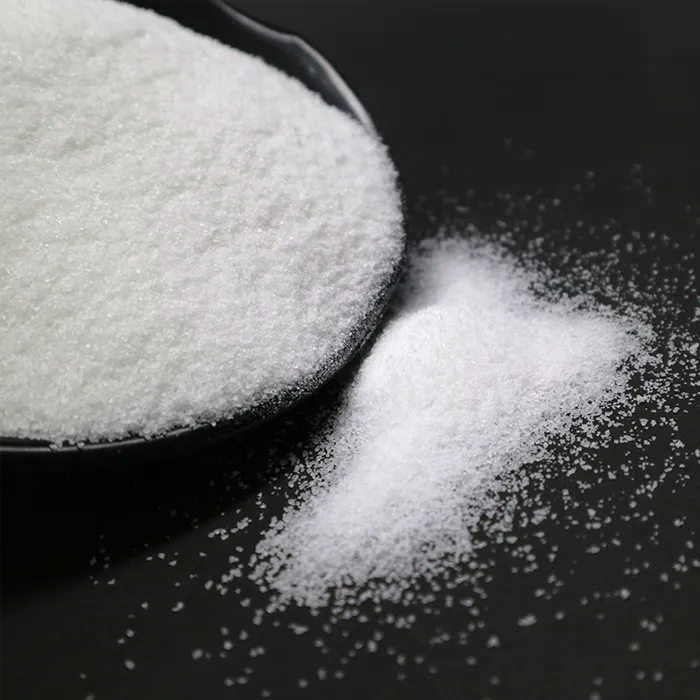
Physically, this compound appears as a colorless, transparent oil or wax. One of its most critical technical advantages is the adjustable degree of polymerization. By controlling the length of the polymer chain during synthesis—typically via photopolymerization or ring-opening polymerization—manufacturers can fine-tune the molecular weight from several thousand to tens of thousands of daltons. This allows for a versatile range of viscosities, enabling the product to transition from a low-viscosity fluid for rapid-moving parts to a high-viscosity grease for heavy-load bearings.
Furthermore, the low surface tension (approx. 18 mN/m) ensures that the lubricant spreads efficiently across metal surfaces, forming a nanometer-thick stable film. This film acts as a physical barrier that prevents metal-to-metal contact, thereby reducing the coefficient of friction and mitigating fatigue failure in high-precision machinery.

Critical Application Scenarios in Aerospace and Semiconductor Manufacturing
In the aerospace sector, the ability to withstand temperature fluctuations from -50°C to over 300°C is a non-negotiable requirement. PFPE is extensively used for lubricating turbine engine seals and bearings. In space environments, where vacuum conditions cause standard lubricants to evaporate, CAS 60164-51-4 remains stable. Its low vapor pressure prevents the condensation of hydrocarbons on sensitive optical instruments, a requirement strictly adhered to in satellite mechanical components to ensure mission longevity.
The semiconductor industry demands an equally rigorous level of cleanliness. In clean room environments, particularly within EUV (extreme ultraviolet) lithography machines and vacuum pumps, this lubricant is indispensable. Because it does not produce particles or VOCs, it aligns with ISO 14644 cleanliness standards. During aggressive etching and deposition processes, the chemical inertness of PFPE protects sensitive components from corrosive gases such as hydrogen fluoride (HF) or chlorine (Cl₂), preventing equipment corrosion and reducing unplanned downtime.
Beyond these high-tech sectors, the compound is utilized in chemical processing plants for pumps and mixers handling strong acids or alkalis. With a stable pH range of 0-14, it ensures that the lubricant does not react with the processed chemicals, thereby preventing the formation of harmful by-products and ensuring the integrity of the sealed systems.
Comparative Analysis of Lubricant Performance under Extreme Stress
When evaluating lubrication solutions for extreme environments, engineers must weigh the trade-offs between mineral oils, silicon-based oils, and perfluorinated compounds. Mineral oils typically decompose around 200°C, making them unsuitable for high-heat applications. While silicon-based oils offer better thermal resistance, they lack the radiation stability and chemical inertness of PFPE. In nuclear industry applications or high-temperature reactors, PFPE exhibits a radiation dose threshold exceeding 10⁶ Gy, significantly outperforming silicon alternatives.
From a dielectric perspective, the low dielectric constant (ε ≈ 2.1) of CAS 60164-51-4 makes it an ideal candidate for electrical insulation in high-voltage equipment. Its hydrophobicity further ensures that moisture does not penetrate the lubrication layer, which is critical for preventing oxidation in humid industrial settings. However, procurement managers must account for the higher cost associated with fluorine chemistry, prioritizing its use in "irreplaceable" scenarios where the cost of equipment failure far outweighs the cost of the lubricant.
Safety and environmental compliance are also key considerations. Under REACH regulations, this substance is classified as non-hazardous, although its long biological half-life necessitates careful monitoring of total perfluorinated compound emissions. Proper ventilation and the use of protective equipment are recommended to avoid long-term fluoride accumulation in the workplace.
Technical Comparison of High-Performance Lubricant Properties
| Property | Mineral Oil | Silicone Oil | PFPE (CAS 60164-51-4) | Impact on Operation |
|---|---|---|---|---|
| Decomposition Temp | ~200°C | ~250-300°C | >400°C | Thermal Reliability |
| Chemical Inertness | Low | Medium | Extreme (pH 0-14) | Corrosion Resistance |
| Vapor Pressure | High | Medium | Very Low | Vacuum Stability |
| Radiation Stability | Low | Medium | High (>10⁶ Gy) | Nuclear/Space Suitability |
| Surface Tension | Medium | Low | Very Low (~18 mN/m) | Wetting & Flow |
Strategic Sourcing and Quality Assurance for Specialized Chemicals
Sourcing specialized fluorinated polymers requires a supplier with a robust technical foundation. Shijiazhuang Kunxiangda Technology Co., Ltd. leverages its position in the Economic and Technological Development Zone of Shijiazhuang to provide high-purity chemical intermediates. By maintaining long-term cooperative relationships with prestigious institutions like Tsinghua University and Hebei University of Science and Technology, the company ensures that production technologies are optimized to reduce impurities and enhance the consistency of molecular weight distribution in its offerings.
For global buyers, the challenge often lies in finding a partner who can bridge the gap between large-scale Chinese manufacturing and stringent international quality standards. A professional procurement team is essential to navigate the domestic market and identify the most cost-effective yet high-quality synthesis routes. Quality control is the lifeblood of pharmaceutical and fine chemical production; therefore, rigorous analytical testing is applied to ensure that the final PFPE product meets the exact viscosity and purity specifications required for aerospace or semiconductor grade applications.
When evaluating suppliers for water treatment chemicals china or high-end lubricants, buyers should look for evidence of integrated R&D capabilities and a stable marketing network. The ability to customize the degree of polymerization to meet a specific industrial need is a key differentiator that separates a basic trading company from a professional manufacturer.
Future Directions: Nanoparticle Doping and Sustainable Fluorine Chemistry
As industries pivot toward 5G infrastructure and electric vehicle (EV) production, the demand for lubricants that can handle high-frequency electrical environments and increased thermal loads is rising. The next evolution of PFPE technology involves the integration of nanoparticles to enhance thermal conductivity. By doping the PFPE matrix with boron nitride or alumina nanoparticles, researchers aim to create a "smart lubricant" that not only reduces friction but also actively dissipates heat away from critical bearing surfaces in electric motors.
Sustainability remains a central theme in the development of fluorinated polymers. While PFPE is valued for its stability, the industry is moving toward closed-loop recovery systems to prevent the environmental persistence of perfluorinated compounds. The development of more efficient synthesis methods that reduce the use of hazardous precursors is a priority for leading chemical enterprises. This ensures that the irreplaceable value of fluorine chemistry can be utilized without compromising environmental safety.
For the forward-thinking procurement manager, the focus is shifting from simple cost-per-liter to the total lifecycle value. The longevity provided by a high-grade PFPE lubricant—reducing the frequency of maintenance cycles and preventing catastrophic equipment failure—makes it a strategic investment for any operation utilizing high-precision, high-stress machinery.
Technical FAQ regarding CAS 60164-51-4
What makes CAS 60164-51-4 superior to standard synthetic lubricants?
Its superiority stems from the C-F bond, which is significantly stronger than the C-H bond. This results in extreme thermal stability (up to 400°C), complete chemical inertness across a wide pH range, and very low volatility, which is essential for vacuum and high-temperature environments.
Can this PFPE lubricant be used in semiconductor clean rooms?
Yes, it is ideal for semiconductor manufacturing. Due to its high degree of fluorination, it does not produce particles or volatile organic compounds (VOCs), meeting ISO 14644 cleanliness standards for use in lithography machines and vacuum pumps.
How is the viscosity of this product adjusted?
Viscosity is controlled during the synthesis process by adjusting the degree of polymerization. A higher degree of polymerization increases the molecular weight, transitioning the material from a low-viscosity oil to a high-viscosity grease.
Is CAS 60164-51-4 compatible with strong acids and bases?
Yes, this compound is chemically inert and stable across a pH range of 0-14. It can withstand attacks from strong oxidants, acids, and alkalis without degrading or producing harmful by-products.
What safety precautions are necessary when handling PFPE?
While biologically inert, long-term exposure can lead to fluoride accumulation. OSHA recommends using a well-ventilated environment and avoiding direct skin contact. It should be stored in a cool, dry place away from alkali metals.
What is the environmental impact of using perfluoropolyethers?
PFPEs have low volatility, which reduces atmospheric emissions. However, they are not easily biodegradable and have a long environmental half-life. Users are encouraged to use them in closed systems and monitor total perfluorinated compound usage per REACH regulations.
Technical References and Industry Standards
- ISO 14644 Cleanrooms and associated controlled environments
- EU REACH Regulation on Perfluorinated Compounds
- NASA Technical Reports on Vacuum Lubrication
- PubChem Database for Fluorinated Polymers
Selecting the right lubricant for extreme environments is a critical engineering decision. For organizations requiring high-purity fluorinated polymers, partnering with a manufacturer that combines academic research with industrial scale is the most reliable path to operational success.
Related Specialized Chemical Products