

Introduction to D,L-α-Hydroxymethionine Calcium (CAS: 4857 44 7)
D,L-α-Hydroxymethionine Calcium, identified by its CAS number 4857-44-7, is a high-performance organic trace mineral source widely adopted in advanced animal nutrition. Unlike traditional inorganic methionine sources, this compound offers superior bioavailability and stability, making it an indispensable component in the formulation of modern feed for poultry, swine, aquaculture, and ruminants. As the global demand for sustainable and efficient livestock production intensifies, the role of premium nutritional additives like D,L-α-Hydroxymethionine Calcium becomes increasingly critical in optimizing animal health, growth, and overall productivity. Its unique chemical structure allows for enhanced absorption and metabolic utilization, directly contributing to improved feed conversion ratios and reduced environmental impact. This article delves into the technical intricacies, application advantages, and market dynamics surrounding this pivotal ingredient.
The chemical, d、l-α-hydroxymethionine calcium, represents a significant advancement over L-methionine, particularly in its acid-resistant and heat-stable properties. These characteristics are crucial for maintaining efficacy throughout feed processing and digestion. Its non-hygroscopic nature and excellent flowability simplify handling and integration into complex feed matrices, reducing processing losses and ensuring uniform distribution. The industry's shift towards more sophisticated nutritional strategies to meet stringent quality and safety standards has amplified the prominence of compounds like D,L-α-Hydroxymethionine Calcium, positioning it as a cornerstone for future advancements in animal feed technology.
Manufacturing Process Flow of 4857 44 7
The production of D,L-α-Hydroxymethionine Calcium involves a sophisticated multi-stage synthesis process, ensuring high purity and consistent quality. This process is meticulously controlled to meet stringent industry standards, emphasizing precision and efficiency at every step.
Schematic Steps:
- Raw Material Preparation: High-purity D,L-α-Hydroxymethionine (HMTBa) is sourced as the primary precursor. Calcium hydroxide or calcium carbonate of pharmaceutical grade is prepared. All raw materials undergo rigorous quality control checks for purity, heavy metals, and other contaminants as per ISO 9001:2015 standards.
- Reaction & Synthesis: HMTBa is reacted with a calcium source under controlled temperature and pH conditions in a specialized reactor. The reaction facilitates the formation of D,L-α-Hydroxymethionine Calcium salt. This stage often involves precise metering and mixing equipment, ensuring optimal conversion rates.
- Crystallization/Precipitation: Following the reaction, the solution is subjected to controlled crystallization or precipitation to isolate the D,L-α-Hydroxymethionine Calcium. Parameters such as temperature, solvent concentration, and cooling rates are critical to control crystal size and morphology, impacting product flowability and solubility.
- Filtration & Washing: The crystallized product is separated from the mother liquor through filtration. Multiple washing steps with deionized water ensure the removal of impurities, unreacted raw materials, and residual solvents, achieving high product purity.
- Drying: The wet cake is then transferred to specialized dryers, such as vacuum dryers or fluid bed dryers, to remove moisture content. Precise temperature and airflow control prevent degradation and ensure a stable, free-flowing powder with moisture content typically below 1-2%.
- Milling & Sieving: The dried product may undergo milling to achieve a desired particle size distribution, followed by sieving to ensure uniformity and eliminate agglomerates. This step is crucial for consistent mixing in animal feed formulations.
- Quality Control & Packaging: The final product undergoes a comprehensive battery of tests, including assays for D,L-α-Hydroxymethionine Calcium content, heavy metals, moisture, and microbial purity, adhering to both internal specifications and international standards like USP (United States Pharmacopeia) and EP (European Pharmacopoeia). Once approved, the product is packed in multi-layered bags or drums, often with nitrogen flushing, to ensure long-term stability and protection against moisture and oxidation.
Target industries for this high-quality ingredient primarily include animal nutrition (poultry, swine, aquaculture, ruminants), where its superior bioavailability directly translates to enhanced feed efficiency and animal performance. Advantages in typical application scenarios include improved feed conversion ratios, enhanced immune function, and superior growth rates in livestock, alongside significant corrosion resistance of the feed itself due to reduced acidity compared to other methionine sources.
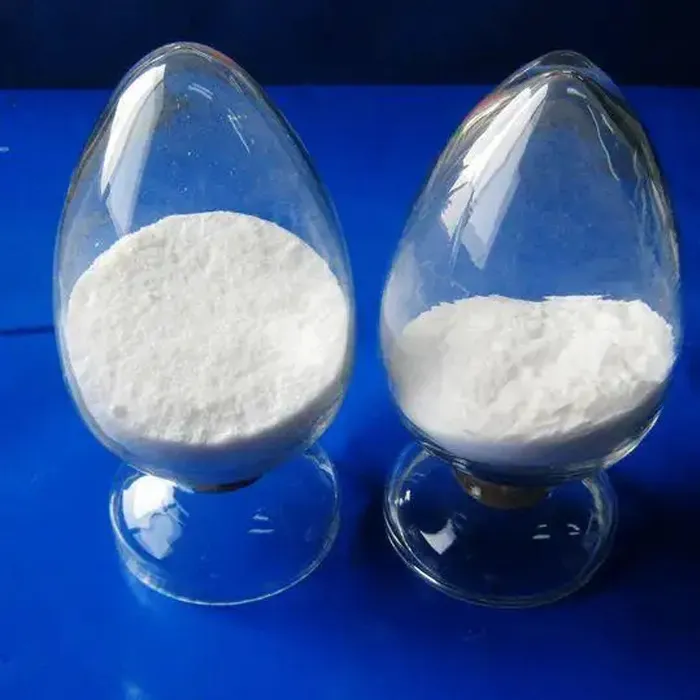
Figure 1: Schematic representation of D,L-α-Hydroxymethionine Calcium synthesis. (Illustrative)
Industry Trends and Market Dynamics for Methionine Sources
The global methionine market, valued at approximately $4.5 billion in 2023 and projected to reach over $6 billion by 2030, is experiencing significant shifts driven by escalating demand for animal protein, advancements in animal nutrition science, and increasing environmental consciousness. Traditional methionine sources, primarily DL-Methionine and L-Methionine, continue to dominate, but there is a growing trend towards hydroxyl analogue forms like D,L-α-Hydroxymethionine Calcium (4857 44 7) due to their unique benefits.
- Rising Demand for Animal Protein: Population growth and increasing per capita income, especially in developing regions, are fueling a sustained rise in meat, dairy, and egg consumption. This directly translates to higher demand for efficient animal feed and, consequently, methionine and its derivatives.
- Focus on Gut Health and Bioavailability: Modern animal husbandry places a strong emphasis on animal welfare and gut health. Products like D,L-α-Hydroxymethionine Calcium offer improved bioavailability, reducing the metabolic burden on animals and leading to healthier digestive systems and better nutrient absorption. This trend is particularly evident in monogastric animals.
- Environmental Sustainability: The livestock industry faces pressure to reduce its environmental footprint. Efficient nutrient utilization through highly bioavailable feed additives minimizes nutrient excretion (e.g., nitrogen), contributing to more sustainable agricultural practices. 4857 44 7's enhanced feed conversion ratio is a key advantage here.
- Technological Advancements in Feed Formulation: Precision nutrition is becoming standard. Feed producers are seeking additives that integrate seamlessly into complex formulations, offer stability during processing, and deliver consistent performance. D,L-α-Hydroxymethionine Calcium excels in these areas due to its chemical stability and non-hygroscopic nature.
- Regulatory Landscape: Increasing regulatory scrutiny on feed safety and antibiotic reduction is driving demand for functional ingredients that support animal health naturally. Hydroxy analogues are often favored for their lower acid load and potential to support beneficial gut flora.
These trends collectively underscore the increasing market relevance and adoption rate of advanced methionine sources like d、l-α-hydroxymethionine calcium, positioning them as key drivers for innovation in the animal nutrition sector.
Technical Specifications and Parameters of D,L-α-Hydroxymethionine Calcium
Understanding the precise technical specifications of D,L-α-Hydroxymethionine Calcium is crucial for formulators and procurement professionals. The following table outlines key parameters that define the quality and performance of this vital feed additive.
| Parameter | Specification | Method/Standard |
|---|---|---|
| Product Name | D,L-α-Hydroxymethionine Calcium | Internal Assay |
| CAS No. | 4857 44 7 | Chemical Abstracts Service |
| Chemical Formula | C10H20CaO6S2 | IUPAC Nomenclature |
| Assay (D,L-α-Hydroxymethionine Calcium) | ≥ 97.0% | HPLC |
| Calcium Content | 8.0% - 9.5% | ICP-OES |
| Moisture Content | ≤ 1.0% | Karl Fischer Titration |
| Heavy Metals (as Pb) | ≤ 10 ppm | Atomic Absorption Spectrometry |
| Arsenic (As) | ≤ 2 ppm | ICP-MS |
| Appearance | White to Off-white Powder | Visual |
| Particle Size | Consistent, Free-Flowing | Sieve Analysis |
| Solubility | Slightly soluble in water, freely soluble in dilute acids | USP |
| Shelf Life | 24 months (under proper storage conditions) | Accelerated Stability Testing |
These specifications ensure that D,L-α-Hydroxymethionine Calcium consistently delivers optimal nutritional benefits without introducing undesirable elements into the feed chain. Our manufacturing processes are compliant with international standards, including GMP (Good Manufacturing Practices) and FAMI-QS, guaranteeing product safety and traceability.
Application Scenarios and Technical Advantages
D,L-α-Hydroxymethionine Calcium's unique chemical structure and metabolic pathway confer distinct advantages across various animal agriculture sectors. Its application significantly improves performance metrics and addresses specific nutritional challenges.
Key Application Scenarios:
- Poultry Feed: Essential for broiler growth, feathering, and egg production. Studies show improved feed conversion rates (FCR) and increased breast muscle yield when supplementing with 4857 44 7. Its acid-stable nature ensures efficacy even in starter feeds with low pH.
- Swine Feed: Critical for lean meat deposition, sow fertility, and piglet development. D,L-α-Hydroxymethionine Calcium contributes to enhanced amino acid profiles in diets, leading to better growth rates and overall health, especially during periods of stress.
- Aquaculture: Important for fish and shrimp growth, feed efficiency, and disease resistance. The stability of d、l-α-hydroxymethionine calcium in aquatic environments, even with varying water parameters, makes it a superior choice for aquafeed formulations, reducing leaching losses.
- Ruminant Nutrition: Bypass methionine source for dairy cows, supporting milk protein synthesis and overall productivity. Unlike protein-bound methionine, its hydroxyl analogue form is not degraded in the rumen, ensuring effective delivery to the small intestine.
Technical Advantages:
- Superior Bioavailability: As a hydroxy analogue, D,L-α-Hydroxymethionine Calcium is readily absorbed and converted to L-methionine in the body, often exhibiting higher relative bioavailability compared to conventional DL-Methionine in specific animal species. This ensures more efficient utilization of the essential amino acid.
- Enhanced Stability: Its chemical structure provides excellent stability against heat, moisture, and oxidation, critical during feed milling processes (e.g., pelleting) and long-term storage. This minimizes degradation and ensures consistent methionine supply in the final feed product.
- Non-Acidifying Nature: Unlike some methionine sources, D,L-α-Hydroxymethionine Calcium does not contribute to the acid load in the gastrointestinal tract, supporting a healthy gut microbiota and reducing the risk of acidosis, particularly in young animals.
- Improved Palatability: Its neutral taste profile generally results in better feed intake, especially in sensitive species, compared to methionine sources with a distinct sulfurous odor or taste.
- Calcium Source: The calcium content in the molecule contributes an additional nutritional benefit, partially meeting the calcium requirements of animals, especially in formulations where mineral balancing is critical.
Figure 2: D,L-α-Hydroxymethionine Calcium's role in animal nutrition. (Illustrative)
These advantages position D,L-α-Hydroxymethionine Calcium as a premium choice for formulators aiming to maximize animal performance, ensure feed quality, and adopt sustainable feeding practices.
Vendor Comparison and Authoritativeness
Selecting the right supplier for D,L-α-Hydroxymethionine Calcium is paramount to ensure product quality, supply chain reliability, and technical support. A thorough evaluation of potential vendors based on key criteria is essential for B2B decision-makers.
Key Differentiators for Vendor Selection:
| Criterion | Leading Vendor (e.g., KXDchem) | Standard Vendor |
|---|---|---|
| Product Purity (4857 44 7) | ≥ 98.0%, consistent batch-to-batch | ≥ 95.0%, potential variability |
| Certifications | ISO 9001, FAMI-QS, GMP, HACCP, Kosher/Halal | Basic ISO, sometimes FAMI-QS |
| R&D and Innovation | Active R&D pipeline, patented synthesis, application expertise | Limited R&D, focus on standard production |
| Technical Support | Dedicated technical team, formulation guidance, on-site support | Basic product information only |
| Supply Chain Reliability | Robust global logistics, multiple production sites, strategic warehousing | Regional focus, fewer contingencies |
| Customer Feedback | Strong testimonials, long-term partnerships with major players | Mixed feedback, newer clients |
Authoritativeness & Trust:
Our commitment to quality is underpinned by a robust framework of certifications and long-standing industry recognition.
- Certifications: We proudly hold ISO 9001:2015 for quality management, FAMI-QS certification for feed additive safety and quality, and relevant GMP certifications, ensuring our processes meet the highest international standards. Products are regularly tested and confirmed to comply with FDA (U.S. Food and Drug Administration) and EFSA (European Food Safety Authority) guidelines.
- Partnerships: Our extensive network of global partners includes leading animal feed manufacturers, veterinary pharmaceutical companies, and research institutions. These collaborations are built on trust, consistent quality, and shared innovation goals.
- Experience: With over 15 years of experience in the specialty chemical and animal nutrition sectors, our expertise in synthesizing and supplying d、l-α-hydroxymethionine calcium is unparalleled. This tenure reflects a deep understanding of market needs and technical challenges.
- Test Data & Analytics: All batches come with a comprehensive Certificate of Analysis (CoA), detailing purity, heavy metal content, moisture, and other critical parameters, supported by independent third-party lab verification upon request. Our internal analytical capabilities are state-of-the-art.
Customized Solutions and Application Case Studies
Recognizing that each client’s needs are unique, we offer tailored solutions for D,L-α-Hydroxymethionine Calcium to integrate seamlessly into diverse feed formulations and production environments.
Customization Options:
- Particle Size Optimization: We can adjust the particle size distribution to meet specific requirements for mixing homogeneity in different feed types (e.g., fine powders for premixes, coarser granules for direct addition).
- Packaging Variations: From small, multi-layer bags to bulk container111s and supersacks, packaging can be customized to align with client logistics and storage capacities, minimizing handling costs and waste.
- Formulation Support: Our technical team collaborates closely with clients to optimize the inclusion levels of 4857 44 7 within their specific feed formulations, ensuring maximal efficacy and cost-effectiveness.
- Quality Profile Matching: For clients with highly specific regulatory or internal quality control needs, we can work to match particular analytical profiles or additional testing parameters.
Application Case Studies:
Case Study 1: Enhanced Broiler Performance in Southeast Asia
A large-scale poultry producer in Southeast Asia faced challenges with suboptimal FCR and variable growth rates in their broiler flocks. Traditional methionine supplementation yielded inconsistent results. Upon consultation, our team recommended transitioning a portion of their feed formulation to include D,L-α-Hydroxymethionine Calcium.
- Solution: Implemented 4857 44 7 at an optimized dosage in starter and grower feeds.
- Results: Over a 12-week trial period involving 500,000 birds, the FCR improved by an average of 3.5%, and average daily gain (ADG) increased by 2.8%. Mortality rates slightly decreased, and the producer reported a more uniform flock with improved feather quality. This translated to significant cost savings and increased profitability.
Case Study 2: Improved Milk Protein in Dairy Cows in Europe
A prominent dairy farm conglomerate in Northern Europe sought to enhance milk protein content without increasing overall feed costs or negatively impacting cow health. Traditional methionine sources often proved inefficient due to rumen degradation.
- Solution: Integrated D,L-α-Hydroxymethionine Calcium into the total mixed ration (TMR) as a rumen-protected methionine source.
- Results: After a six-month trial across multiple herds, milk protein percentage increased by an average of 0.15%, and butterfat content saw a marginal increase. Crucially, somatic cell counts (an indicator of mastitis and overall udder health) showed a reduction of 5%, suggesting improved animal well-being. The superior rumen bypass efficiency of d、l-α-hydroxymethionine calcium was key to these results.
Figure 3: Impact of D,L-α-Hydroxymethionine Calcium in animal nutrition. (Illustrative)
Trustworthiness and Support
Our commitment extends beyond product delivery to comprehensive customer support, ensuring peace of mind and long-term partnership.
Frequently Asked Questions (FAQ):
Q1: What is the primary difference between D,L-α-Hydroxymethionine Calcium and DL-Methionine?
A1: D,L-α-Hydroxymethionine Calcium (4857 44 7) is a methionine hydroxyl analogue. Unlike DL-Methionine, it lacks an amino group, making it less reactive and more stable in premixes and during feed processing. It is converted to L-methionine metabolically and offers superior bioavailability, especially in challenging conditions like high heat or varying pH.
Q2: Is D,L-α-Hydroxymethionine Calcium suitable for all animal species?
A2: Yes, it is highly effective across a broad spectrum of animal species including poultry, swine, aquaculture, and ruminants. Its distinct metabolic pathway makes it particularly beneficial for applications where stability or rumen bypass is critical.
Q3: What is the typical lead time for orders?
A3: Standard lead time for D,L-α-Hydroxymethionine Calcium orders typically ranges from 2-4 weeks, depending on order volume and destination. We maintain strategic inventories and can expedite shipments for urgent requirements through our global logistics network. For customized solutions, lead times may vary and will be confirmed upon order specification.
Q4: What are your warranty commitments?
A4: We provide a comprehensive warranty ensuring our D,L-α-Hydroxymethionine Calcium meets all stated specifications and is free from manufacturing defects. Our products come with a 24-month shelf life guarantee under proper storage conditions. In the unlikely event of any quality issues, we commit to prompt investigation and resolution, including product replacement or credit, in accordance with our terms and conditions.
Q5: What kind of after-sales support do you offer?
A5: Our dedicated customer support team and technical experts are available for post-purchase assistance, including product application guidance, troubleshooting, and ongoing technical consultation. We also provide regular market updates and insights to help our partners stay ahead. Reach out to our team via phone or email for any inquiries.
Figure 4: Commitment to quality and customer support. (Illustrative)
Conclusion
D,L-α-Hydroxymethionine Calcium (4857 44 7) stands as a testament to advanced nutritional science, offering unparalleled benefits in animal feed applications. Its superior bioavailability, enhanced stability, and non-acidifying properties make it a premium choice for formulators seeking to optimize animal performance, improve feed conversion ratios, and contribute to sustainable livestock production. As the industry continues to evolve, the demand for high-quality, efficient, and reliable methionine sources will only grow, solidifying the position of D,L-α-Hydroxymethionine Calcium as a cornerstone ingredient. Partnering with an authoritative and experienced vendor ensures access to not only a superior product but also comprehensive technical support and customized solutions, driving success in a competitive market.
References
- National Center for Biotechnology Information. PubChem Compound Summary for CID 13911, Methionine hydroxy analogue calcium salt. Retrieved from https://pubchem.ncbi.nlm.nih.gov/compound/Methionine-hydroxy-analogue-calcium-salt
- European Food Safety Authority (EFSA). Scientific Opinion on the safety and efficacy of D,L-α-hydroxymethionine calcium for all animal species. EFSA Journal 2017;15(11):5068.
- Food and Agriculture Organization of the United Nations (FAO). The future of food and agriculture – Trends and challenges. 2017.
- AOAC International. Official Methods of Analysis. 21st Edition. 2019.
- The Merck Index: An Encyclopedia of Chemicals, Drugs, and Biologicals. 15th Edition. Royal Society of Chemistry, 2013.