

API Manufacturers List: Finding the Right Partner for Your Chemical Needs
Sourcing Active Pharmaceutical Ingredients (APIs) requires careful consideration of manufacturer capabilities, quality control, and regulatory compliance. This article provides a comprehensive guide to navigating the landscape of API manufacturers, outlining key factors to consider when selecting a partner. We’ll explore important criteria, resources for finding reputable suppliers, and the benefits of working with a specialized chemical provider. Successfully finding the right API manufacturer is pivotal to ensuring the integrity and efficacy of your pharmaceutical products.
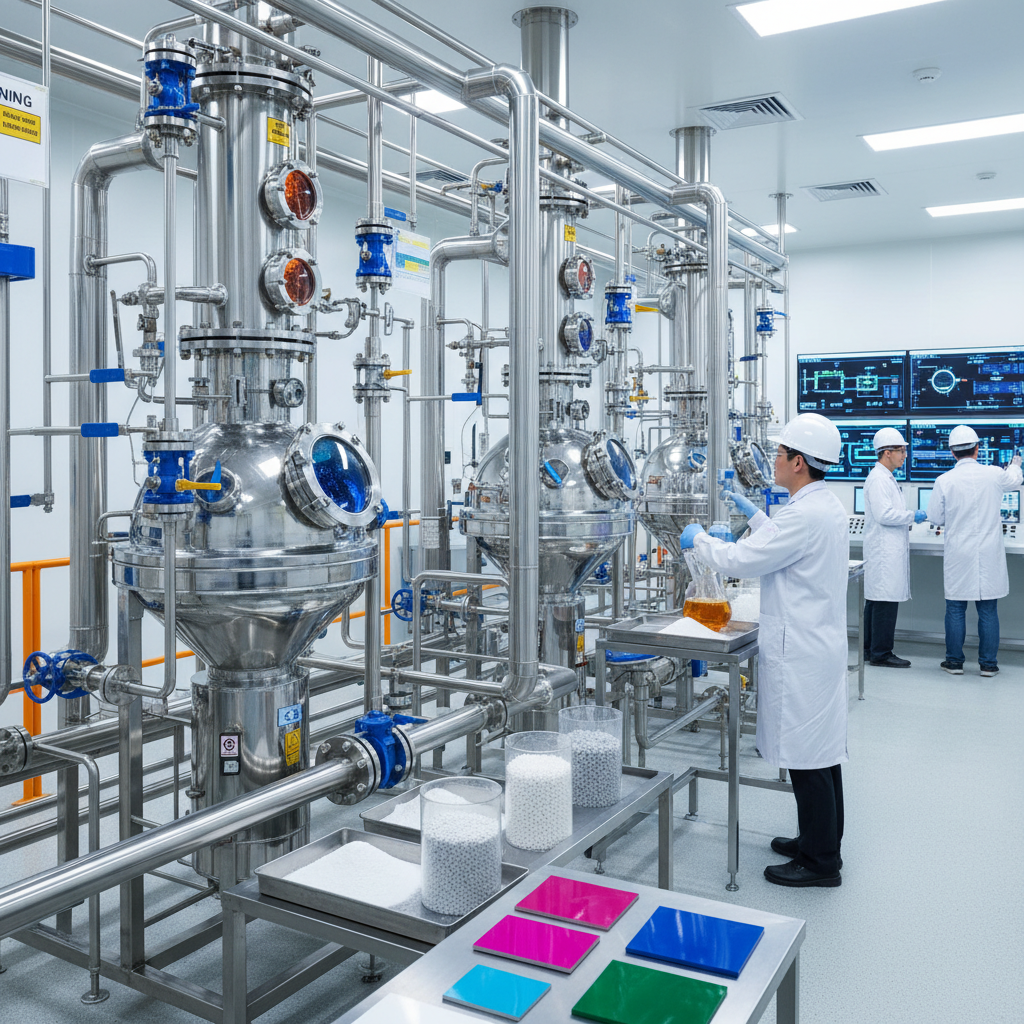
Key Considerations When Choosing an API Manufacturer
Selecting an API manufacturer is a critical decision that impacts product quality, cost, and supply chain reliability. Several key factors warrant careful evaluation. Regulatory Compliance is paramount - ensure the manufacturer adheres to Good Manufacturing Practices (GMP) as defined by bodies like the FDA, EMA, or PMDA. Manufacturing Capabilities should align with your specific API requirements, including synthesis methods, scale-up potential, and specialized technologies. Quality Control Systems must be robust and well-documented, encompassing rigorous testing procedures and analytical data. Supply Chain Security is vital, assessing the manufacturer’s ability to ensure a consistent and uninterrupted supply. Finally, consider Cost-Effectiveness – balance price with quality and reliability to achieve optimal value. Working with KXD Chem provides assurance of these critical elements.
Key Takeaway: Prioritize regulatory compliance, robust quality control, and supply chain security when evaluating potential API manufacturers.
Navigating the API Manufacturers Landscape: Regions and Specializations
The global API manufacturing landscape is diverse, with prominent hubs in regions like China, India, and Europe. China is known for its large-scale production capacity and competitive pricing, but quality control can be variable. India offers a balance of cost-effectiveness and quality, with a growing number of GMP-certified manufacturers. Europe and North America typically command higher prices but provide greater assurance of quality and regulatory compliance. Furthermore, manufacturers often specialize in specific API types, such as peptides, steroids, or complex organic molecules. Identifying a manufacturer with expertise in your desired API class is crucial for success. Specialized manufacturers often possess advanced technologies and a deeper understanding of the synthesis and purification processes.
Regional API Manufacturing Strengths:
• China: Large capacity, competitive pricing
• India: Cost-effective, growing GMP compliance
• Europe/North America: High quality, stringent regulation
Top API Manufacturers: A Comparative Overview
Choosing from numerous API manufacturers list can be overwhelming. Below is a simplified comparison of some key players. This is not exhaustive, and thorough due diligence is essential before making any decisions. Please note that specifics can change, so consulting current industry reports and performing your own independent research is crucial.
Due Diligence and Auditing: Ensuring Quality and Reliability
Beyond certifications, conducting thorough due diligence is crucial. This includes reviewing the manufacturer’s quality control documentation, conducting site audits (if possible), and requesting sample API batches for testing. Independent laboratory testing of API samples is essential to verify purity, potency, and compliance with specifications. Furthermore, assess the manufacturer’s track record regarding regulatory inspections and any reported quality issues. A robust due diligence process mitigates risks and ensures the integrity of your supply chain. KXD Chem welcomes audits and provides comprehensive documentation.
Future Trends in API Manufacturing
The API manufacturing landscape is evolving, driven by factors like increasing demand for generics, growing emphasis on sustainability, and advancements in manufacturing technologies. Continuous Manufacturing is gaining traction, offering improved efficiency and reduced waste. Green Chemistry principles are being adopted to minimize environmental impact. Digitalization and Automation are transforming manufacturing processes, enhancing quality control and traceability. Staying abreast of these trends is vital for securing a reliable and sustainable API supply chain.
Conclusion: Partnering for Success
Selecting the right API manufacturer is a strategic decision with significant implications for your pharmaceutical business. By carefully evaluating key factors, conducting thorough due diligence, and staying informed about industry trends, you can forge a successful partnership that ensures quality, reliability, and compliance. Don't compromise on the foundation of your products – choose a partner you can trust.
Frequently Asked Questions (FAQs)
What documentation should I request from a potential API manufacturer?
Essential documentation includes their Drug Master File (DMF), Certificates of Analysis (CoAs) for representative batches, GMP certification, stability data, impurity profiles, and details of their quality control procedures. You should also request information about their change control procedures and any regulatory inspections they've undergone. Detailed documentation allows for a comprehensive assessment of their capabilities and quality systems. For any specific API, confirm they can provide the relevant documentation for regulatory submissions in your target markets.
How important is a site audit?
A site audit is highly recommended, especially for critical APIs. It allows you to directly assess the manufacturer’s facilities, quality control systems, and adherence to GMP guidelines. During an audit, you can review batch records, observe manufacturing processes, and interview key personnel. While virtual audits are sometimes possible, a physical on-site audit provides the most comprehensive and reliable assessment.
What are the risks of relying on a single API supplier?
Relying on a single supplier creates significant supply chain vulnerability. Disruptions due to natural disasters, regulatory issues, or manufacturing problems can halt your production. To mitigate this risk, it's advisable to qualify multiple API suppliers for critical materials. This diversification ensures a backup supply and increases your negotiation leverage. Carefully manage the qualification process for each supplier to maintain consistent quality and compliance.
How can I ensure the API is authentic and not counterfeit?
Authenticating APIs is crucial for patient safety and product integrity. Request a Certificate of Analysis (CoA) from the manufacturer and verify its authenticity. Conduct independent laboratory testing to confirm the API’s identity, purity, and potency. Implement robust chain-of-custody procedures to track the API from the manufacturer to your facility. Working with reputable and certified suppliers, like KXD Chem, reduces the risk of counterfeit APIs.