

API Meaning in Drugs: A Comprehensive Guide
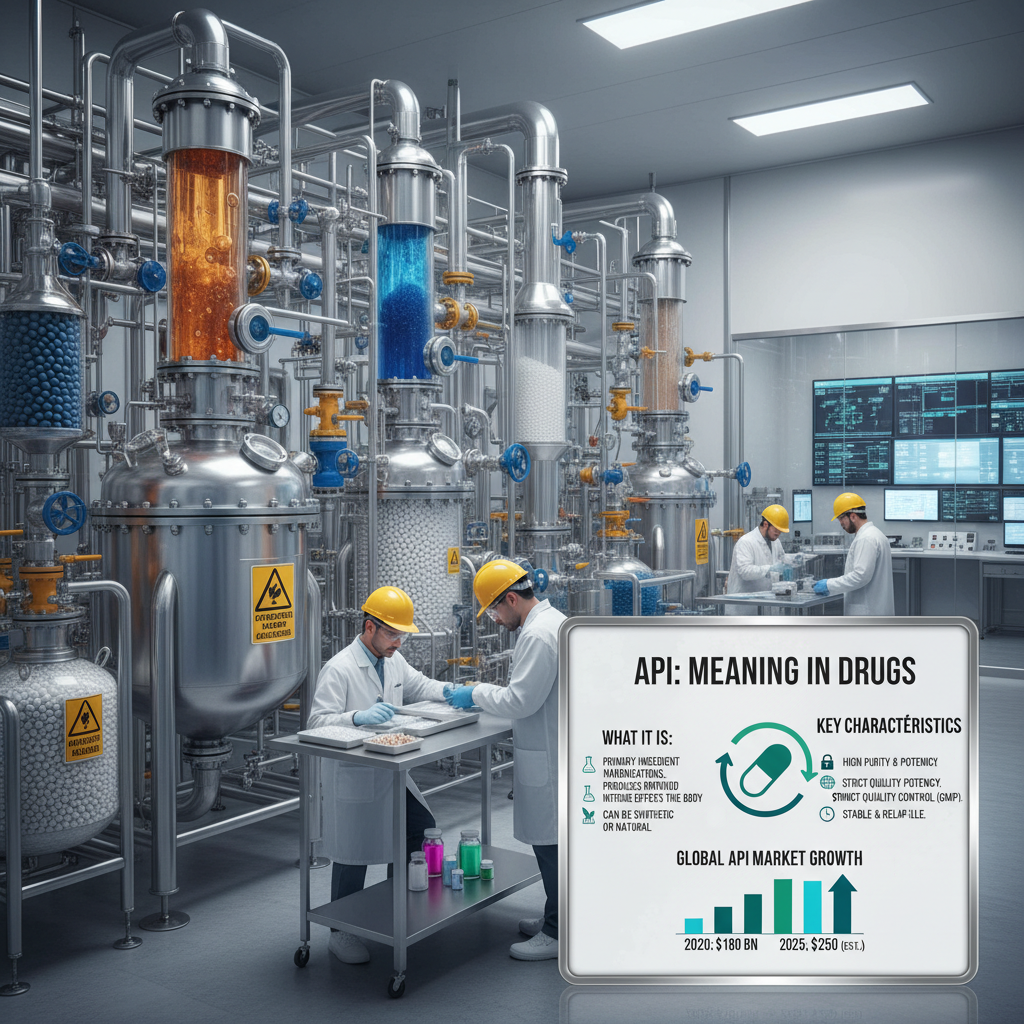
In the pharmaceutical industry, understanding the term API is crucial. It stands for Active Pharmaceutical Ingredient, and it's the component within a drug that produces its intended effects. Essentially, the API is the medicine itself. The quality and purity of the API directly impact the drug's safety and efficacy. This article will delve into the definition of API, its importance in drug manufacturing, different types of APIs, quality control measures, and how KXD Chem plays a vital role in providing high-quality APIs. Understanding the complexities surrounding APIs is critical for both pharmaceutical companies and healthcare professionals.
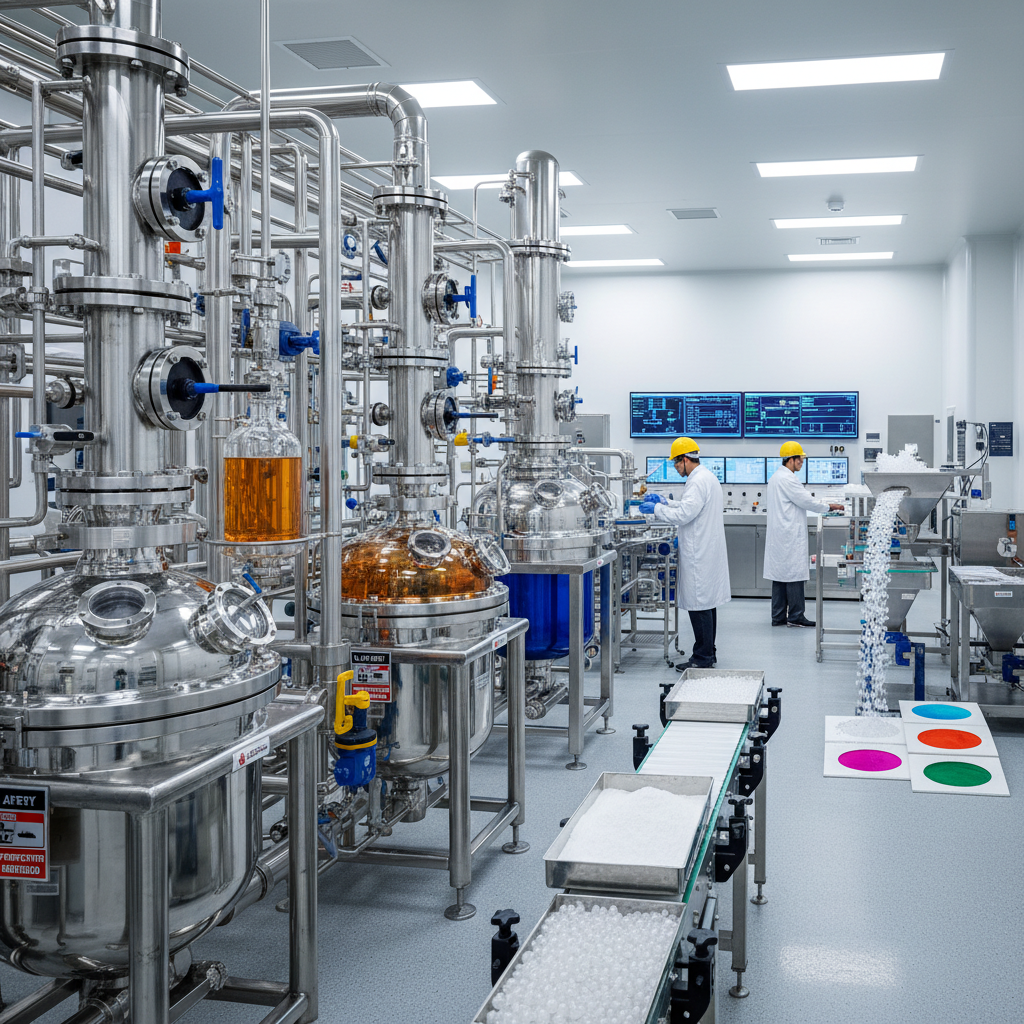
What Exactly is an API?
An API (Active Pharmaceutical Ingredient) is the biologically active component of a drug product. It’s the part that interacts with the body to create the desired therapeutic effect. For example, in a pain reliever like ibuprofen, ibuprofen itself is the API. The final drug product also contains excipients – inactive substances that serve as a carrier for the API, help with absorption, and contribute to the drug's overall form (tablet, capsule, liquid, etc.). The API's concentration, purity, and crystalline form significantly affect the drug’s performance. Without a high-quality API, even the best-formulated drug may fail to deliver the intended results. KXD Chem specializes in the meticulous production and supply of precisely formulated APIs.
Key Takeaway: The API is the core ingredient responsible for a drug's therapeutic effect, and its quality is paramount.
Different Types of APIs
APIs can be categorized in various ways, based on their source, chemical structure, and therapeutic application. Some common classifications include:
- Small Molecule APIs: These are typically chemically synthesized compounds with a relatively low molecular weight. They represent the majority of APIs currently in use.
- Large Molecule APIs (Biologics): These are complex molecules produced through biotechnological processes, such as cell culture. Examples include proteins, antibodies, and vaccines.
- Peptide APIs: Chains of amino acids.
- Novel APIs: New chemical entities undergoing clinical trials.
The manufacturing process for each type differs considerably. Small molecule APIs generally involve chemical synthesis, while biologics require complex fermentation or cell culture techniques. KXD Chem possesses the expertise to handle a diverse range of API types, adhering to the highest manufacturing standards.
API Quality Control: Ensuring Safety and Efficacy
Rigorous quality control is essential throughout the API manufacturing process. This involves comprehensive testing to verify the API's identity, purity, potency, and safety. Key quality control measures include:
- Spectroscopic Analysis: Techniques like NMR, IR, and UV-Vis spectroscopy are used to confirm the API's chemical structure.
- Chromatographic Analysis: HPLC and GC are employed to determine the API's purity and identify any impurities.
- Titration: Used to determine the API's potency (concentration).
- Microbiological Testing: Ensures the API is free from harmful microorganisms.
- Residual Solvent Analysis: Determines the amount of residual solvents remaining from the manufacturing process.
These tests must adhere to stringent regulatory guidelines set by organizations like the FDA and EMA. KXD Chem is committed to upholding the highest quality standards, with a robust quality control system and full regulatory compliance.
API Sourcing and the Role of KXD Chem
Sourcing APIs from reliable suppliers is critical for pharmaceutical companies. Factors to consider include the supplier's quality control processes, regulatory compliance, supply chain security, and manufacturing capacity. KXD Chem is a leading API manufacturer and supplier dedicated to providing high-quality APIs to the global pharmaceutical industry. We offer a wide range of APIs, custom synthesis services, and comprehensive documentation to support our clients' regulatory submissions. Our commitment to quality, reliability, and customer service makes us a trusted partner for pharmaceutical companies worldwide.
Looking Ahead: The Future of API Manufacturing
The API manufacturing landscape is continually evolving. Trends include a growing emphasis on continuous manufacturing, green chemistry principles, and advanced analytical technologies. These advancements aim to improve efficiency, reduce costs, and minimize environmental impact. KXD Chem is committed to staying at the forefront of these innovations, continuously investing in cutting-edge technology and sustainable practices.
Conclusion
Understanding the API is fundamental to the pharmaceutical industry. Its quality directly influences drug efficacy and safety. KXD Chem stands as a reliable partner, dedicated to delivering high-quality APIs and contributing to the advancement of healthcare.
Frequently Asked Questions (FAQs)
What regulations govern API manufacturing?
API manufacturing is heavily regulated by organizations such as the FDA (in the United States), the EMA (in Europe), and other national regulatory bodies. These regulations, often based on Good Manufacturing Practices (GMP), cover all aspects of production, from raw material sourcing to final product testing and packaging. Compliance with these regulations is essential to ensure the safety, efficacy, and quality of APIs. KXD Chem is fully committed to adhering to all relevant GMP guidelines and regulatory requirements.
What is the difference between an API and an intermediate?
An API is the final, biologically active ingredient in a drug product. An intermediate is a compound formed during the synthesis of the API. Intermediates are stepping stones in the manufacturing process, but they do not have therapeutic activity themselves. Many steps and intermediates are involved in the creation of a single API. Strict quality control measures are applied to intermediates to ensure the final API meets all quality standards.
How does KXD Chem ensure the traceability of its APIs?
KXD Chem utilizes a comprehensive traceability system that tracks all materials and processes involved in API manufacturing. This includes detailed records of raw material sourcing, batch numbers, manufacturing dates, quality control results, and distribution records. This system allows us to quickly identify and address any potential quality issues and provides full transparency to our customers.
What are the advantages of sourcing APIs from a dedicated manufacturer like KXD Chem?
Sourcing from a dedicated API manufacturer like KXD Chem offers several advantages. We specialize in API production, ensuring deep expertise, stringent quality control, and consistent supply. We offer custom synthesis services, tailoring APIs to specific needs. Our focus on regulatory compliance minimizes risks for our customers. We provide detailed documentation and support to streamline the drug development process.