

API Meaning in Pharmaceutical
In the pharmaceutical industry, the term API is fundamental. But what exactly does API meaning in pharmaceutical contexts? API stands for Active Pharmaceutical Ingredient. It’s the part of any drug that produces effects. Understanding APIs is crucial for drug development, manufacturing, and quality control. This article will explore the definition of APIs, their significance, manufacturing processes, quality considerations, and the role of suppliers like KXD Chem in the pharmaceutical supply chain. We'll delve into how APIs are regulated and the future trends shaping their production.
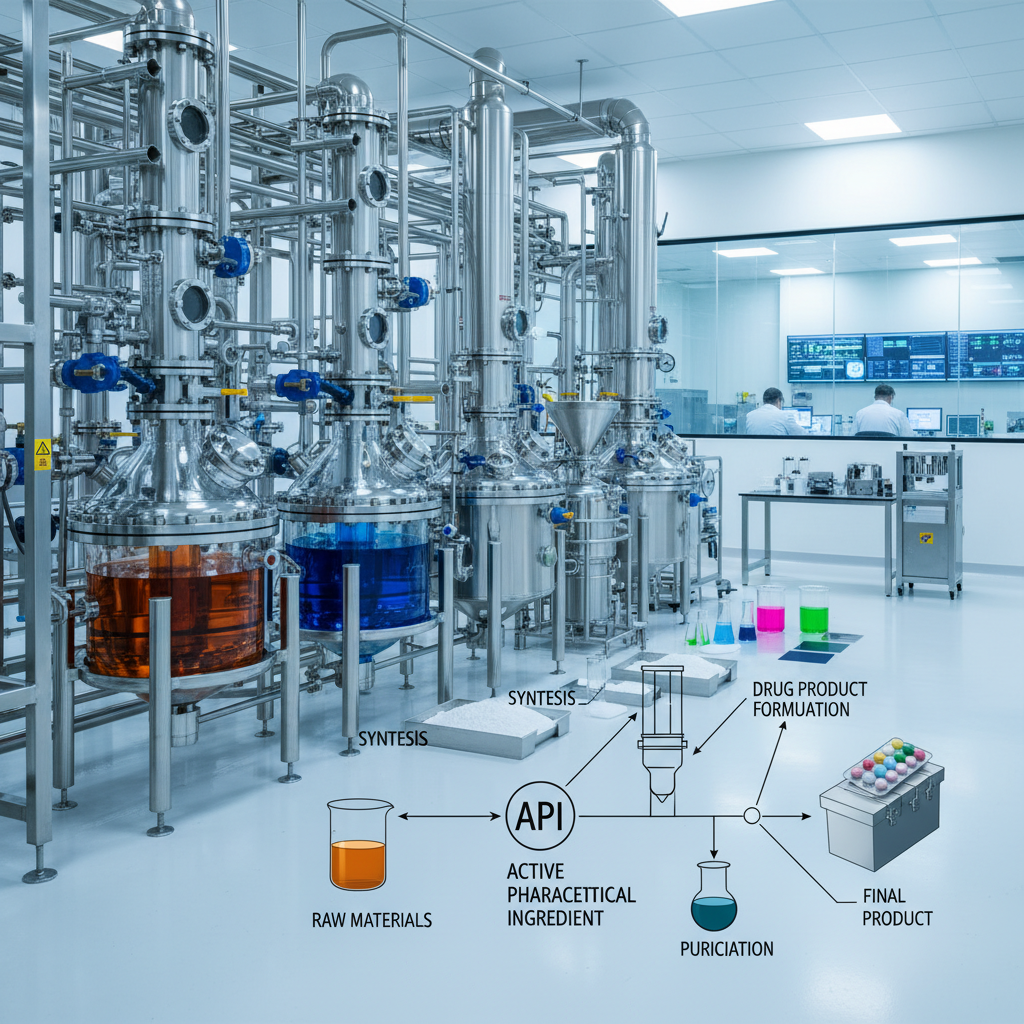
Defining the API: The Core of a Pharmaceutical Drug
Simply put, the API is the biologically active component in a drug product. It is the chemical substance responsible for the therapeutic effect. The remaining parts of the medicine—excipients—serve to deliver the API to the body, stabilize it, or aid in its absorption. For example, in a pain reliever, the API is the chemical that reduces pain, while the tablet coating and fillers are excipients. The purity, potency, and characteristics of the API directly impact the drug’s safety and effectiveness. Therefore, meticulous control over API production is paramount. Different types of APIs exist, including small molecules, biologics (proteins, antibodies), and vaccines.
Key Takeaway: The API is the core ingredient in any medicine, directly responsible for its therapeutic effect. Quality control of APIs is essential for ensuring drug safety and efficacy.
API Manufacturing Processes: A Complex Landscape
Manufacturing APIs is a complex and highly regulated process. It typically involves several stages: chemical synthesis, fermentation, extraction from natural sources, or recombinant DNA technology. Chemical synthesis is the most common method, involving a series of chemical reactions to build the API molecule. Fermentation utilizes microorganisms to produce the API, while extraction involves isolating the API from plants or animals. Regardless of the method, stringent quality control measures are implemented throughout the process to ensure purity and consistency. These processes demand specialized equipment, skilled personnel, and adherence to Good Manufacturing Practices (GMP). Companies like KXD Chem specialize in efficient and reliable API manufacturing.
API Quality Control and Regulatory Compliance
Ensuring API quality is paramount for patient safety. Strict quality control measures are applied at every stage of manufacturing, including raw material testing, in-process controls, and final product analysis. Techniques like High-Performance Liquid Chromatography (HPLC), Gas Chromatography (GC), and Mass Spectrometry (MS) are used to verify purity and identity. Regulatory bodies like the FDA (in the US), EMA (in Europe), and PMDA (in Japan) enforce stringent regulations regarding API manufacturing and quality. Compliance with GMP guidelines is mandatory. Detailed documentation, validation of processes, and regular audits are essential for demonstrating compliance. Failure to meet these standards can result in significant penalties and delays in drug approval.
Key Quality Control Parameters:
• Purity and Impurity Profile
• Potency and Assay
• Residual Solvents
• Particle Size Distribution
API Suppliers and the Global Supply Chain
The API supply chain is global and complex. Pharmaceutical companies often rely on third-party suppliers, particularly from countries like India and China, for API sourcing. Selecting a reliable supplier is critical. Factors to consider include manufacturing capabilities, quality systems, regulatory compliance, and supply chain security. KXD Chem is a trusted API supplier, offering a wide range of high-quality APIs and custom synthesis services. Diversifying API sources and establishing strong relationships with suppliers are essential strategies for mitigating supply chain risks. Transparency and traceability throughout the supply chain are also crucial.
Future Trends in API Manufacturing
The API manufacturing landscape is evolving. Continuous manufacturing, a shift from batch processing, is gaining traction, offering improved efficiency, reduced costs, and enhanced quality control. Green chemistry principles are being increasingly adopted to minimize environmental impact and improve sustainability. Biologics APIs are becoming more prevalent, driven by advances in biotechnology. Furthermore, increased focus on personalized medicine is driving demand for smaller batch sizes and more customized APIs. These trends necessitate innovation and adaptation within the pharmaceutical industry.
Conclusion: The Vital Role of APIs in Healthcare
Understanding the API meaning in pharmaceutical development and manufacturing is critical for ensuring the safety, efficacy, and accessibility of medicines. As the pharmaceutical industry continues to evolve, innovation in API manufacturing, coupled with stringent quality control and reliable supply chains, will be essential for addressing global healthcare needs.
Frequently Asked Questions (FAQs)
What is the difference between an API and an excipient?
The API is the active ingredient that produces the desired therapeutic effect. Excipients, on the other hand, are inactive ingredients that serve as carriers, stabilizers, or bulking agents. They help to deliver the API to the body and ensure the drug's stability, but they do not have any therapeutic effect themselves. Essentially, the API does the work, while the excipients help it do its work.
What are some common challenges in API development?
API development faces several challenges, including achieving desired purity levels, optimizing synthesis routes for cost-effectiveness, ensuring scalability from laboratory to commercial production, and meeting stringent regulatory requirements. Polymorphism (the ability of APIs to exist in multiple crystalline forms) can also pose challenges, as different polymorphs can have different solubility and bioavailability. Maintaining intellectual property and managing supply chain risks are also crucial considerations.
How important is sustainability in API manufacturing?
Sustainability is increasingly important in API manufacturing. Traditional chemical synthesis routes can generate significant waste and consume large amounts of energy. Green chemistry principles, which focus on minimizing waste, using renewable resources, and designing safer chemicals, are being adopted to improve sustainability. Reducing the environmental footprint of API manufacturing is not only ethically responsible but also can lead to cost savings and enhance a company's reputation.
What role does analytical testing play in API quality control?
Analytical testing is fundamental to API quality control. Techniques like HPLC, GC, MS, and spectroscopy are used to identify, quantify, and characterize APIs and their impurities. These tests ensure that the API meets pre-defined specifications for purity, potency, and identity. Accurate and reliable analytical data are essential for regulatory submissions and for demonstrating the quality and safety of the API.