

Understanding the API Abbreviation in the Pharmaceutical Industry
The pharmaceutical landscape is filled with complex terminology, and understanding these terms is crucial for effective communication and accurate processes. One frequently encountered term is API, an Active Pharmaceutical Ingredient. This article will delve into what API stands for, its significance in drug manufacturing, regulatory considerations, and current trends. We’ll explore the importance of sourcing high-quality APIs and the role companies like KXD Chemical play in supplying these vital components. Understanding the nuances of APIs is essential for anyone involved in the pharmaceutical supply chain.
What Does API Stand For?
The API abbreviation stands for Active Pharmaceutical Ingredient. This is the biologically active component of a drug product that produces the intended effects. Essentially, it’s the part of the medicine that actually treats the condition. APIs are meticulously synthesized and purified, undergoing rigorous quality control processes to ensure their safety and efficacy. While a drug product might contain excipients (inactive ingredients), it's the API that provides the therapeutic benefit. KXD Chemical specializes in the development and manufacturing of high-quality APIs.
Key Takeaway: The API is the core ingredient responsible for the pharmacological effect of a medication. Its quality directly impacts the drug’s safety and effectiveness.
The Manufacturing Process of APIs
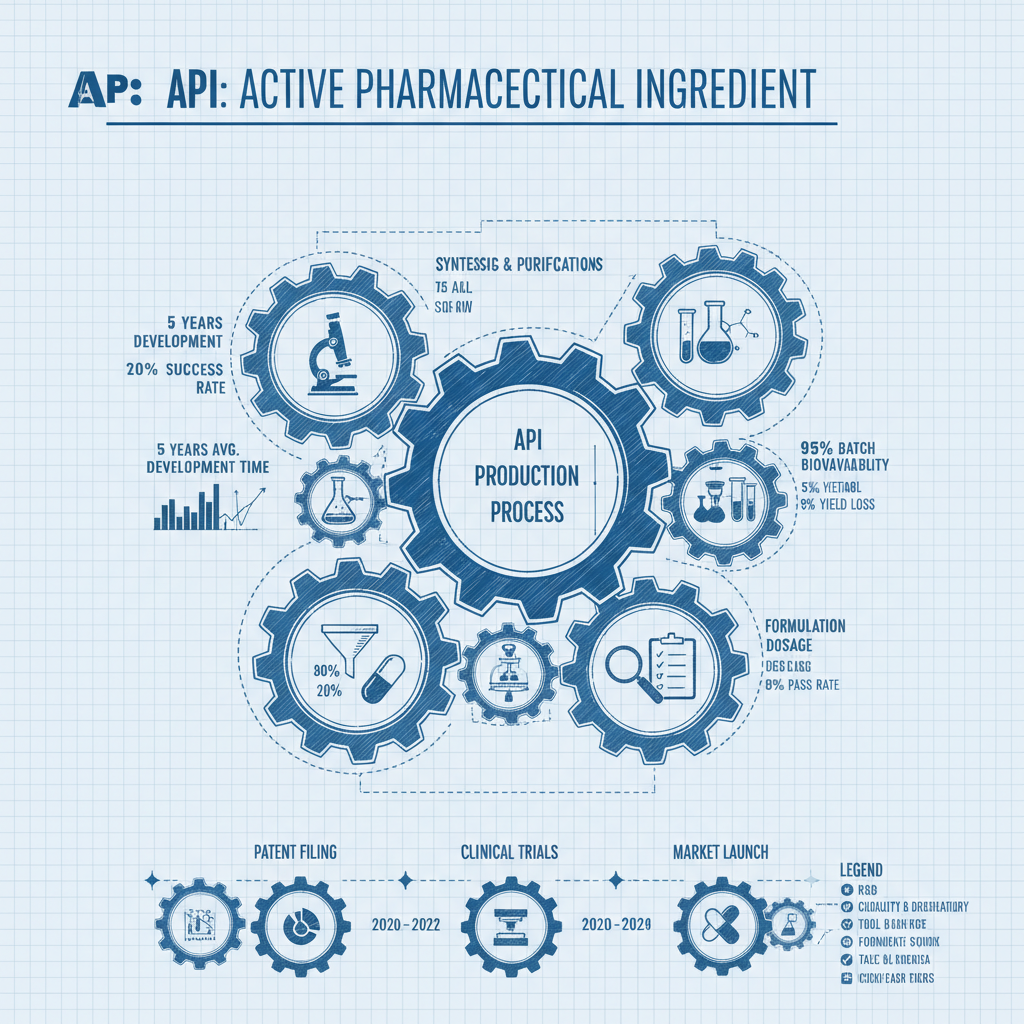
The production of APIs is a complex and tightly regulated process. It typically involves several stages, including chemical synthesis, fermentation, or extraction from natural sources. Once produced, the API undergoes extensive purification, crystallization, and drying. Quality control measures are implemented at each step to ensure the final product meets stringent specifications. These controls encompass identity testing, potency assays, and impurity profiling. KXD Chemical employs advanced manufacturing technologies and adheres to Good Manufacturing Practices (GMP) to deliver consistently high-quality APIs.
API Manufacturing Stages:
• Chemical Synthesis/Fermentation/Extraction
• Purification & Crystallization
• Drying & Milling
• Quality Control & Testing
Regulatory Landscape and API Compliance
The pharmaceutical industry is heavily regulated, and APIs are subject to particularly strict oversight. Regulatory bodies like the FDA (Food and Drug Administration) in the United States and the EMA (European Medicines Agency) enforce GMP guidelines to ensure the quality, safety, and efficacy of APIs. Compliance with these regulations is crucial for manufacturers, and regular audits and inspections are conducted to verify adherence. KXD Chemical is committed to full regulatory compliance, maintaining detailed documentation and adhering to the highest industry standards.
Trends in API Sourcing and Manufacturing
Several key trends are shaping the API industry. These include a growing demand for generic drugs, increasing scrutiny of supply chain security, and a focus on sustainable manufacturing practices. Companies are also seeking to diversify their API sources to mitigate risks and ensure supply chain resilience. Continuous manufacturing processes are gaining traction, offering potential benefits in terms of efficiency and cost reduction. KXD Chemical is proactively adapting to these trends, investing in innovative technologies and building strong relationships with its partners.
Choosing the Right API Supplier
Selecting a reliable API supplier is critical for pharmaceutical companies. Factors to consider include the supplier's quality control systems, regulatory compliance record, manufacturing capabilities, and supply chain security. Transparency, responsiveness, and a commitment to continuous improvement are also important characteristics. KXD Chemical prides itself on its commitment to customer satisfaction and its ability to consistently deliver high-quality APIs.
Conclusion: The Cornerstone of Pharmaceutical Success
The API is the heart of any pharmaceutical product. Understanding its role, manufacturing processes, and regulatory requirements is paramount for success in the industry. Choosing a trustworthy API supplier like KXD Chemical can ensure product quality, regulatory compliance, and a stable supply chain.
Frequently Asked Questions (FAQs)
What are the key differences between generic and branded APIs?
While both generic and branded APIs contain the same active ingredient, there can be differences in manufacturing processes, excipients, and impurity profiles. Branded APIs are typically developed by the original innovator and often have proprietary manufacturing techniques. Generic APIs must demonstrate bioequivalence to the branded version, meaning they deliver the same amount of the active ingredient to the bloodstream. However, variations in manufacturing can lead to subtle differences in the final product, and regulatory bodies closely monitor generic API quality to ensure it meets required standards.
How does KXD Chemical ensure the quality of its APIs?
KXD Chemical employs a comprehensive quality management system that adheres to strict GMP guidelines. This includes rigorous testing of raw materials, in-process controls, and final product analysis. We utilize advanced analytical techniques and maintain detailed documentation throughout the manufacturing process. Furthermore, we undergo regular audits by regulatory agencies and clients to ensure continuous improvement and compliance.
What is the importance of a Certificate of Analysis (CoA) for an API?
A Certificate of Analysis (CoA) is a crucial document that provides detailed test results and confirms the API meets pre-defined specifications. It typically includes information on identity, purity, potency, and other relevant parameters. The CoA serves as proof of quality and is essential for regulatory compliance and for pharmaceutical manufacturers to ensure the API is suitable for their intended use. KXD Chemical provides a comprehensive CoA with every API shipment.
What are the challenges associated with API supply chain security?
API supply chains can be vulnerable to disruptions due to geopolitical factors, natural disasters, and quality control issues. Counterfeit APIs also pose a significant threat. Pharmaceutical companies are increasingly focused on diversifying their API sourcing, conducting thorough supplier audits, and implementing robust track-and-trace systems to enhance supply chain security.