

6‑Chloro‑1,3‑dimethyluracil: market snapshot, specs, and on-the-ground buying tips
If you work in small-molecule discovery or crop‑chem R&D, you’ve probably bumped into [6 Chloro 1 3 Dimethyluracil] at least once. It’s a compact uracil scaffold with a handy chloro handle—quietly useful in medicinal chemistry, lead optimization, and, yes, a few agrochemical programs. Sourcing-wise, I’ve seen consistent supply out of Xingye Street, Economic & Technological Development Zone, Shijiazhuang, China, where several plants (including KXD Chem) keep this item on the regular campaign calendar.
Product specifications (typical, real‑world batches may vary)
| Chemical name | 6‑Chloro‑1,3‑dimethyluracil |
| Formula / MW | C6H7ClN2O2; ≈174.53 g/mol |
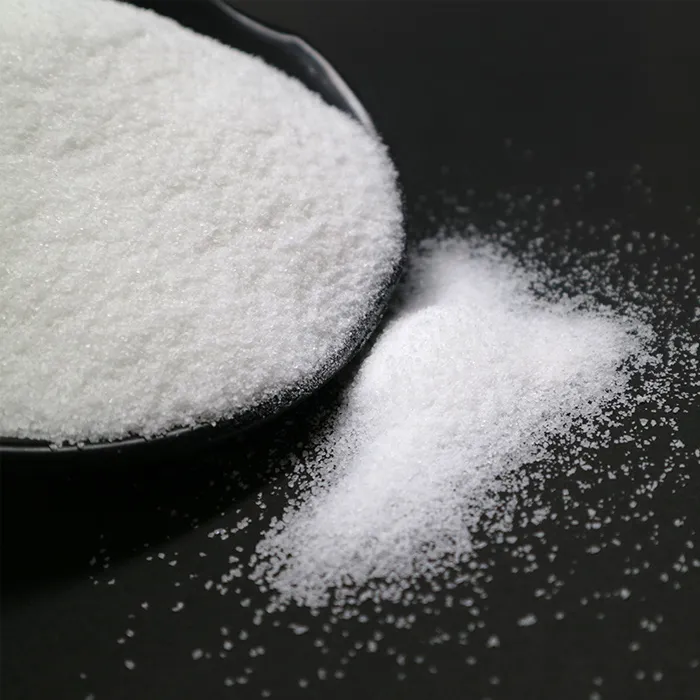
| Appearance | Off‑white to light beige crystalline powder |
| Assay (HPLC) | ≥98.0% typical (COA‑based) |
| Melting point | ≈200–230 °C (DSC; method‑dependent) |
| Solubility note | Soluble in DMSO/DMF; low in water; check actual method and temperature |
| Storage & service life | Tightly sealed, ambient dry store; retest 24 months; protect from moisture and light |
| Packaging | Foil bag or HDPE bottle inside fiber drum; 1–25 kg common |
Where it fits: applications and industries
- Medicinal chemistry: heterocyclic building block; chloro position used for SNAr or diversification.
- Agrochemical discovery: uracil core shows up in herbicide prototypes; this one slots into SAR libraries.
- Materials screening: niche roles in specialty polymers and photochemical studies (small‑scale).
Many customers say it handles nicely in DMF and gives clean HPLC traces after routine silica work. I’ve seen that too—though, to be honest, solubility quirks pop up around higher loads, so a small solvent screen pays off.
High‑level process flow and QA (supplier side)
Materials: substituted uracil precursor and an electrophilic chlorinating system; green(er) solvent preferences where feasible. Methods: controlled chlorination, quench, phase workup, followed by crystallization/polishing. No step‑by‑step here—just the overview most buyers care about.
Testing standards: assay by HPLC (method validated per ICH Q2(R2)); identity by 1H/13C NMR and MS; residual solvents by GC per ICH Q3C / USP <467>; elemental impurities risk‑assessed per ICH Q3D / USP <232>&<233>; moisture by Karl Fischer; optional stability per ICH Q1 where required. Service life: typically 24 months with a retest date on COA.
Vendor landscape (quick comparison)
| Vendor | Quality & docs | Lead time | Notes |
|---|---|---|---|
| KXD Chem (Shijiazhuang) | COA, NMR/MS pack; ISO 9001 QA; REACH support on request | ≈7–14 days ex‑stock; 3–4 weeks make‑to‑order | Factory‑adjacent; decent batch size and stable specs |
| Regional trader A | Basic COA; third‑party test optional | 2–5 weeks (depends on upstream) | Good for small lots; price swings happen |
| Lab‑scale producer B | Strong analytical package; small reactors | 1–2 weeks for grams; longer for kilos | Top for custom specs; cost premium |
Case notes from the field
A mid‑size pharma screen team ordered 5 kg of [6 Chloro 1 3 Dimethyluracil] for an SNAr library. The supplier provided 99.2% HPLC assay, moisture 0.18%, total residual solvents <500 ppm (GC) and a tidy 1H/13C set. They reported good recovery after a single recrystallization—no drama, which, frankly, is the best kind of story.
Customization and risk checks
- Custom specs: tighter assay (≥99.5%), bespoke particle size, or special solvent limits are doable—lead time may extend.
- Compliance: request ISO 9001 certificate, change‑control policy, and CSR/REACH position. For regulated work, align with ICH Q7 expectations.
- Incoming QC tip: verify ID by NMR, run your own HPLC method, and set an internal retest date; it seems conservative, but it saves time later.
Origin: Xingye Street, Economic & Technological Development Zone, Shijiazhuang, China. Product name: 6‑Chloro‑1,3‑dimethyluracil.
References
- ICH Q7: Good Manufacturing Practice for Active Pharmaceutical Ingredients.
- ICH Q2(R2): Validation of Analytical Procedures.
- ICH Q3C / USP <467>: Residual Solvents.
- ICH Q3D / USP <232>&<233>: Elemental Impurities.
- ISO 9001:2015 Quality Management Systems.
- REACH Regulation (EC) No 1907/2006.
- OECD Test Guideline 117: Partition Coefficient (HPLC Method) – applicable where needed for physicochemical profiling.