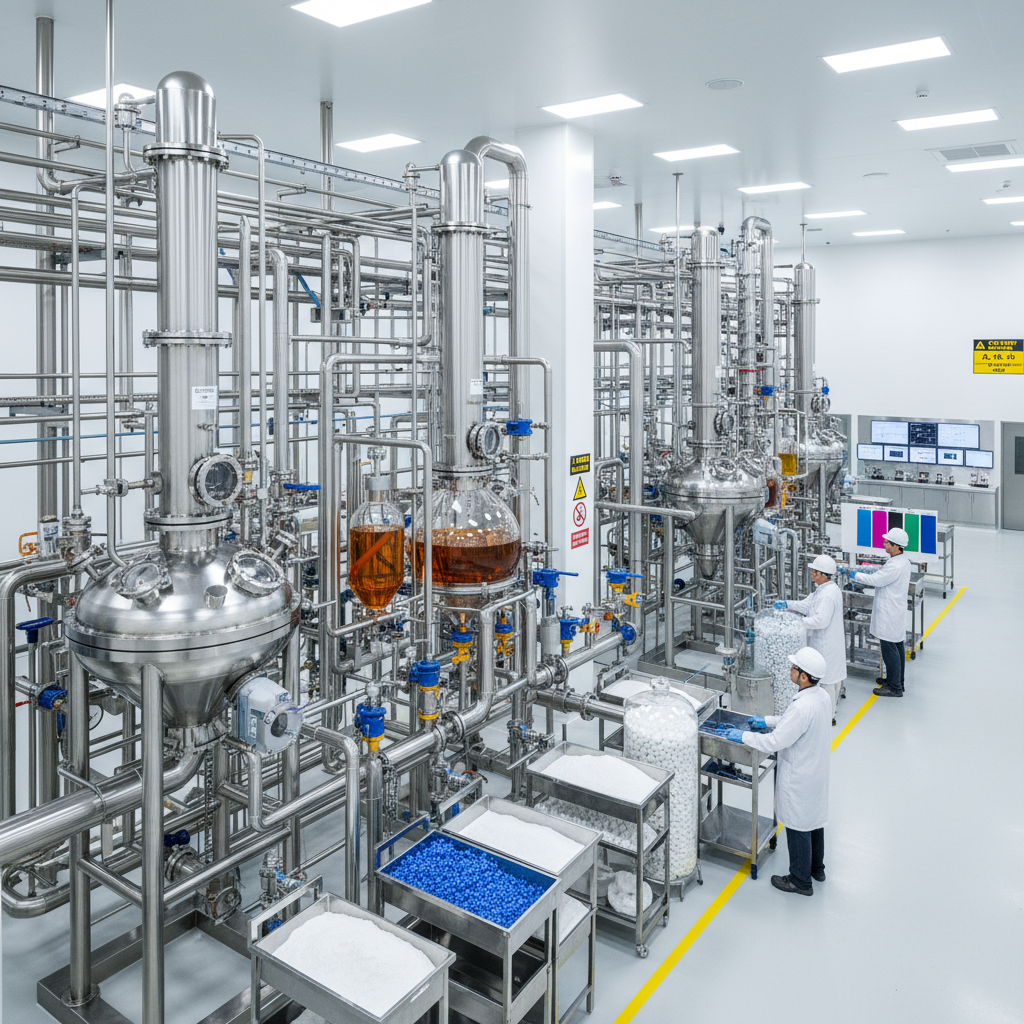
The global pharmaceutical industry relies heavily on a complex supply chain, with pharmaceutical intermediates playing a crucial role. These are compounds formed during the synthesis of an active pharmaceutical ingredient (API) and represent a significant portion of the overall cost and production time. Finding a reliable pharmaceutical intermediates buyer is therefore paramount for pharmaceutical companies aiming for efficiency, cost-effectiveness, and consistent quality. Understanding the nuances of sourcing these intermediates is essential in today’s competitive landscape.
The demand for pharmaceutical intermediates is constantly growing, driven by factors such as an aging global population, increasing prevalence of chronic diseases, and the ongoing development of new drugs. This growth presents both opportunities and challenges. Pharmaceutical companies need secure, transparent, and ethically sourced intermediates to maintain product integrity and meet regulatory requirements. The role of a trusted pharmaceutical intermediates buyer is critical in navigating these complexities.
Effective procurement of pharmaceutical intermediates directly impacts a company’s ability to deliver life-saving medications to patients worldwide. A strategic approach to sourcing, considering factors like supplier reliability, quality control, and supply chain resilience, is no longer optional, but a necessity. Consequently, a knowledgeable pharmaceutical intermediates buyer acts as a vital link in the healthcare ecosystem.
Introduction: The Importance of Pharmaceutical Intermediates
The pharmaceutical industry is characterized by stringent regulations, complex manufacturing processes, and the critical need for consistent quality. Pharmaceutical intermediates represent a crucial stage in this process, acting as the building blocks for active pharmaceutical ingredients (APIs). Sourcing these intermediates requires specialized knowledge and a dedicated pharmaceutical intermediates buyer to ensure both compliance and efficiency.
The effective management of the pharmaceutical intermediates supply chain has become increasingly important in recent years, highlighted by global events such as supply chain disruptions and increased regulatory scrutiny. Choosing the right partner – a qualified pharmaceutical intermediates buyer – can significantly mitigate risks and ensure a reliable supply of essential materials.
Defining Pharmaceutical Intermediates and Their Role
Pharmaceutical intermediates are chemical compounds that are synthesized during the manufacturing process of an API. They are not the final drug substance themselves, but rather steps along the way. These intermediates require careful handling and quality control as impurities or inconsistencies can directly impact the purity and effectiveness of the final API. A skilled pharmaceutical intermediates buyer understands these intricacies.
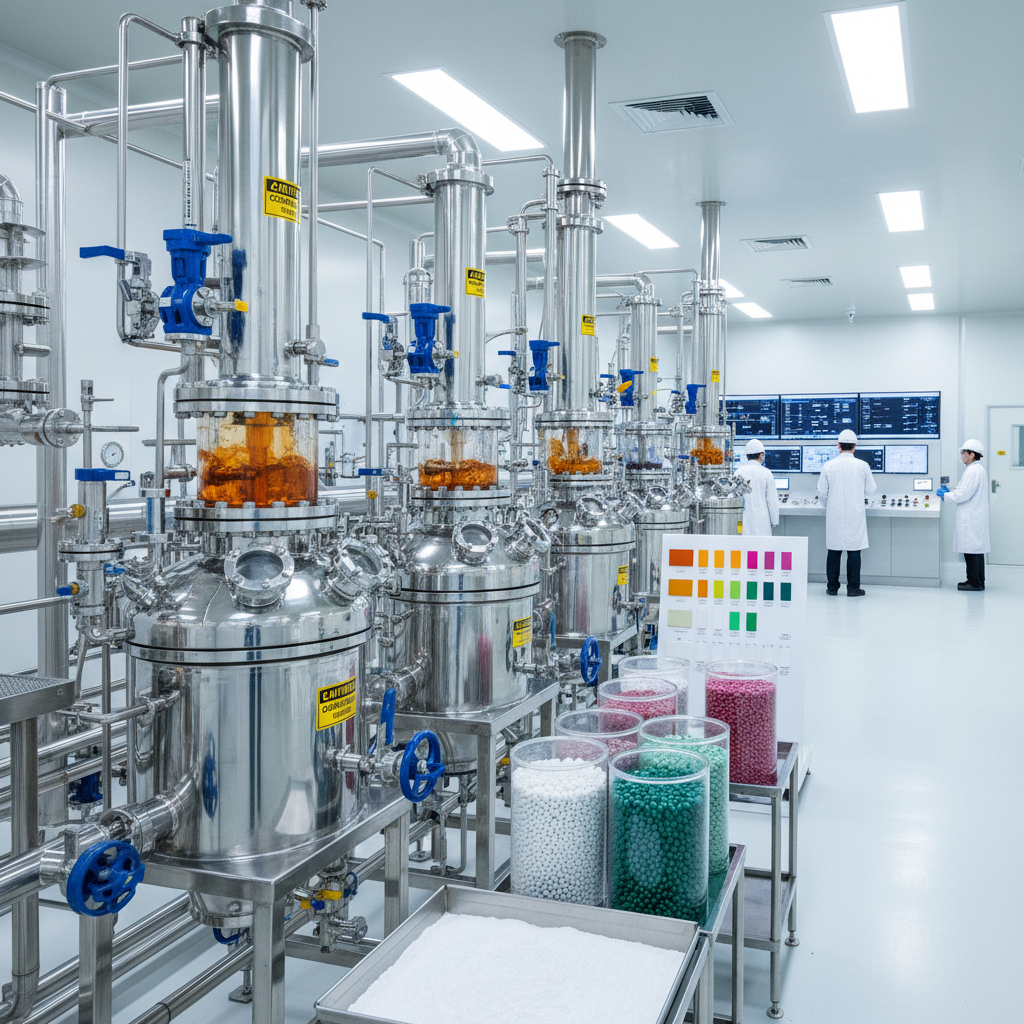
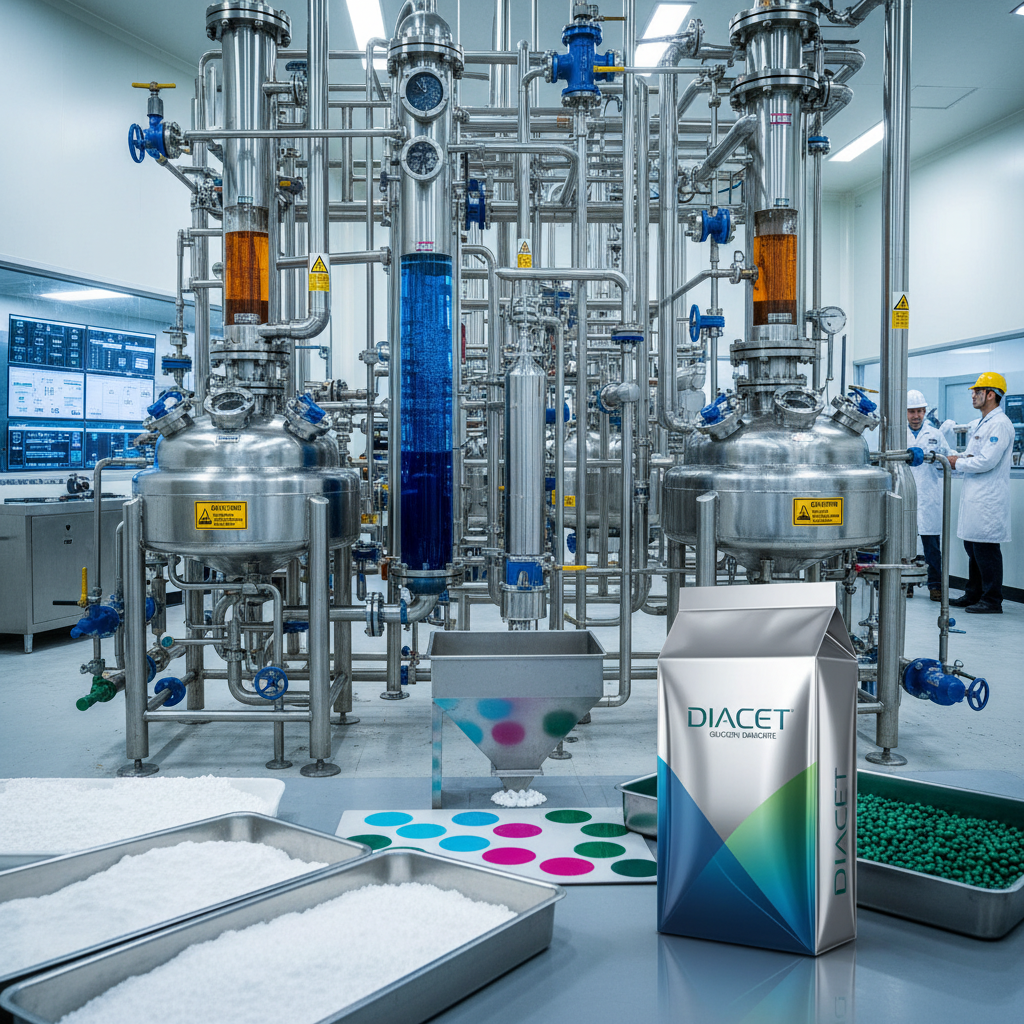
The production of pharmaceutical intermediates often involves complex chemical reactions and specialized equipment. Manufacturers of these compounds must adhere to Good Manufacturing Practices (GMP) to ensure consistent quality and traceability. The role of a pharmaceutical intermediates buyer includes verifying GMP compliance and conducting thorough supplier audits.
Ultimately, the quality of pharmaceutical intermediates directly impacts public health. By ensuring the sourcing of high-quality intermediates, a responsible buyer contributes to the safety and efficacy of medications used to treat a wide range of diseases.
Key Factors in Selecting a Pharmaceutical Intermediates Buyer
When selecting a pharmaceutical intermediates buyer, several key factors should be considered. First and foremost is experience and industry knowledge. A reputable buyer will possess a deep understanding of chemical synthesis, regulatory requirements, and global supply chains.
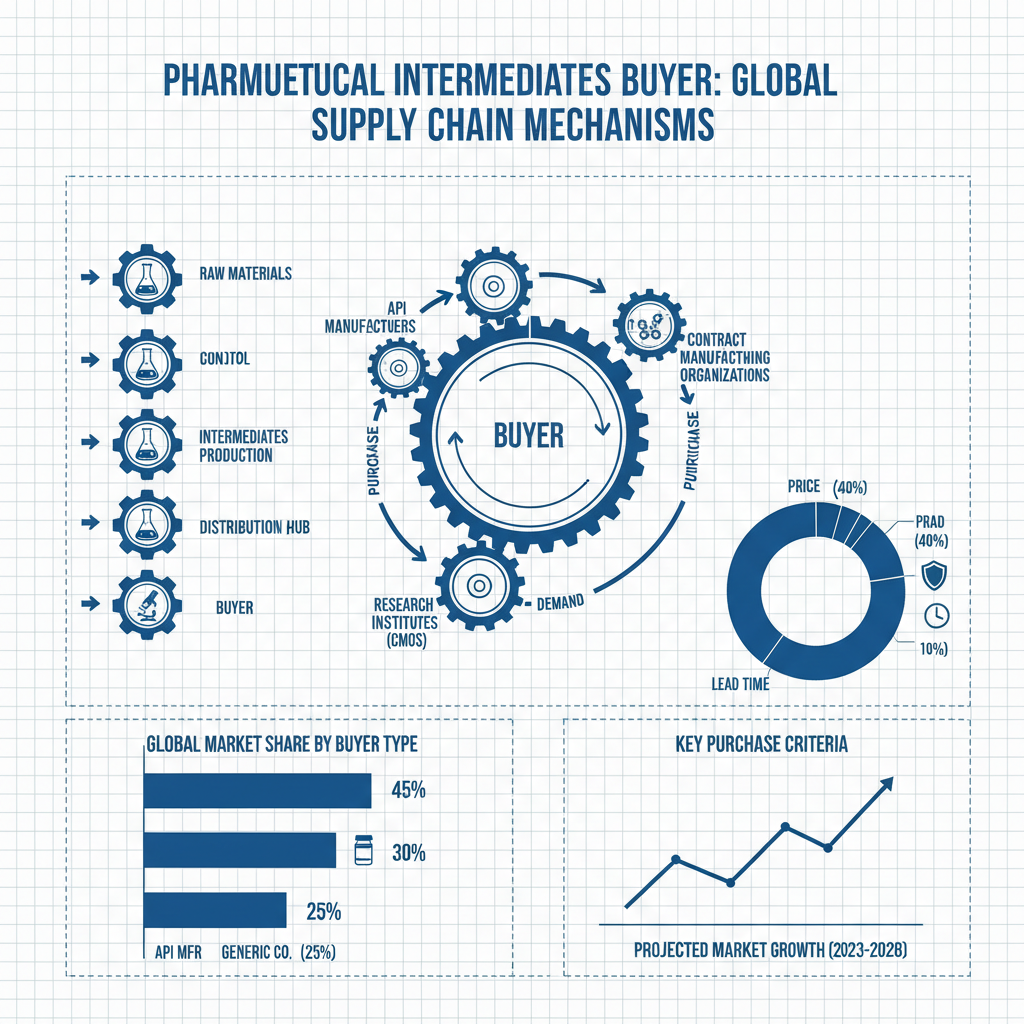
Secondly, a buyer’s network of qualified suppliers is crucial. A robust network ensures access to a diverse range of intermediates, competitive pricing, and supply chain redundancy. The pharmaceutical intermediates buyer should have established relationships with manufacturers that meet stringent quality standards and are regularly audited.
Thirdly, transparency and communication are essential. The buyer should provide clear and concise information regarding pricing, lead times, and any potential supply chain risks. Furthermore, a commitment to ethical sourcing and environmental sustainability is increasingly important.
Global Applications and Industry Impact
The demand for pharmaceutical intermediates spans across the globe, fueled by pharmaceutical manufacturing hubs in regions like India, China, and Europe. These intermediates are utilized in the production of a wide range of drugs, from generics to innovative therapies. A capable pharmaceutical intermediates buyer needs to understand the specific regulatory requirements of different regions.
The pharmaceutical intermediates market is a significant contributor to the global economy, providing employment opportunities and driving innovation in chemical synthesis and manufacturing processes. A reliable supply chain, facilitated by a proficient pharmaceutical intermediates buyer, supports the growth and competitiveness of the pharmaceutical industry as a whole.
Average Lead Times for Different Pharmaceutical Intermediates (Days)
Advantages of Partnering with a Specialist Buyer
Outsourcing the procurement of pharmaceutical intermediates to a specialist pharmaceutical intermediates buyer offers numerous advantages. These include reduced costs, improved quality control, and streamlined supply chain management.
A dedicated buyer can leverage their expertise and relationships to negotiate favorable pricing, identify alternative suppliers, and proactively mitigate potential supply chain disruptions, allowing pharmaceutical companies to focus on their core competencies.
Future Trends Shaping the Market
The pharmaceutical intermediates market is undergoing rapid transformation, driven by factors such as increased demand for personalized medicine, the adoption of continuous manufacturing processes, and a growing emphasis on sustainability.
Green chemistry principles are gaining traction, leading to the development of more environmentally friendly manufacturing processes for intermediates. Digitalization and data analytics are also playing an increasingly important role in optimizing supply chains and improving quality control. The forward-thinking pharmaceutical intermediates buyer will embrace these innovations.
Furthermore, increased regulatory scrutiny and the growing complexity of supply chains will necessitate greater transparency and traceability throughout the entire procurement process.
Challenges and Mitigation Strategies
Despite the benefits, procuring pharmaceutical intermediates presents several challenges. These include ensuring the quality and authenticity of materials, managing supply chain risks, and complying with evolving regulatory requirements.
To mitigate these challenges, pharmaceutical companies should implement robust supplier qualification processes, conduct regular audits, and maintain a diversified supplier base. Partnering with a reputable pharmaceutical intermediates buyer with a proven track record is crucial.
Investing in advanced analytical technologies and data analytics can also help to improve quality control and identify potential supply chain vulnerabilities.
Summary of Common Challenges and Mitigation Strategies
| Challenge |
Impact |
Mitigation Strategy |
Responsibility |
| Counterfeit Intermediates |
Compromised API Quality |
Rigorous Supplier Qualification |
Buyer & Quality Control |
| Supply Chain Disruptions |
Production Delays |
Diversified Supplier Base |
Buyer & Procurement |
| Regulatory Changes |
Compliance Risks |
Continuous Regulatory Monitoring |
Regulatory Affairs & Buyer |
| Quality Control Issues |
API Impurities |
Advanced Analytical Testing |
Quality Control & Buyer |
| Price Volatility |
Increased Costs |
Long-Term Contracts & Hedging |
Buyer & Finance |
| Lack of Transparency |
Ethical Concerns |
Supplier Audits & Traceability Systems |
Buyer & Compliance |
FAQS
A dedicated buyer brings specialized knowledge of chemical sourcing, regulatory compliance, and supply chain management. This results in cost savings, improved quality control, reduced risk of disruptions, and allows your internal teams to focus on core pharmaceutical development and manufacturing activities. They leverage their network and expertise to secure optimal pricing and ensure consistent supply of critical intermediates.
A reputable buyer implements rigorous supplier qualification processes, including audits of manufacturing facilities to verify GMP compliance. They utilize advanced analytical testing to confirm the purity and authenticity of intermediates and maintain detailed documentation to ensure full traceability throughout the supply chain. They also stay abreast of evolving regulatory requirements and adjust sourcing strategies accordingly.
Common risks include supply chain disruptions, counterfeit materials, quality control issues, and regulatory non-compliance. These risks can lead to production delays, compromised API quality, and potential safety concerns. A proactive buyer mitigates these risks through diversification of suppliers, robust quality assurance processes, and continuous monitoring of the supply chain.
A skilled buyer leverages their market knowledge and negotiation skills to secure competitive pricing from suppliers. They can also identify alternative sources of intermediates, optimize logistics and transportation, and consolidate orders to achieve economies of scale. Furthermore, preventing costly quality issues through proactive risk management contributes to overall cost savings.
Sustainability is increasingly important in the pharmaceutical industry. A responsible buyer prioritizes suppliers who adhere to environmentally friendly manufacturing practices, minimize waste, and utilize green chemistry principles. This helps reduce the environmental impact of pharmaceutical production and enhances the company’s reputation.
A proactive buyer maintains a diversified supplier base to reduce reliance on any single source. They also develop contingency plans to address potential disruptions, such as identifying alternative suppliers, building buffer stocks of critical intermediates, and closely monitoring geopolitical events that could impact the supply chain. Effective communication and collaboration with suppliers are also essential.
Conclusion
In conclusion, the successful procurement of pharmaceutical intermediates is a critical component of the modern pharmaceutical industry. A strategic approach, focused on quality, compliance, and supply chain resilience, is essential for ensuring the reliable delivery of life-saving medications. Partnering with a knowledgeable and experienced pharmaceutical intermediates buyer offers significant advantages, allowing companies to focus on innovation and patient care.
Looking ahead, the pharmaceutical intermediates market will continue to evolve, driven by technological advancements, regulatory changes, and a growing emphasis on sustainability. Pharmaceutical companies must embrace these trends and proactively adapt their sourcing strategies to maintain a competitive edge. Visit our website at www.kxdchem.com to learn more about how we can support your pharmaceutical intermediate needs.