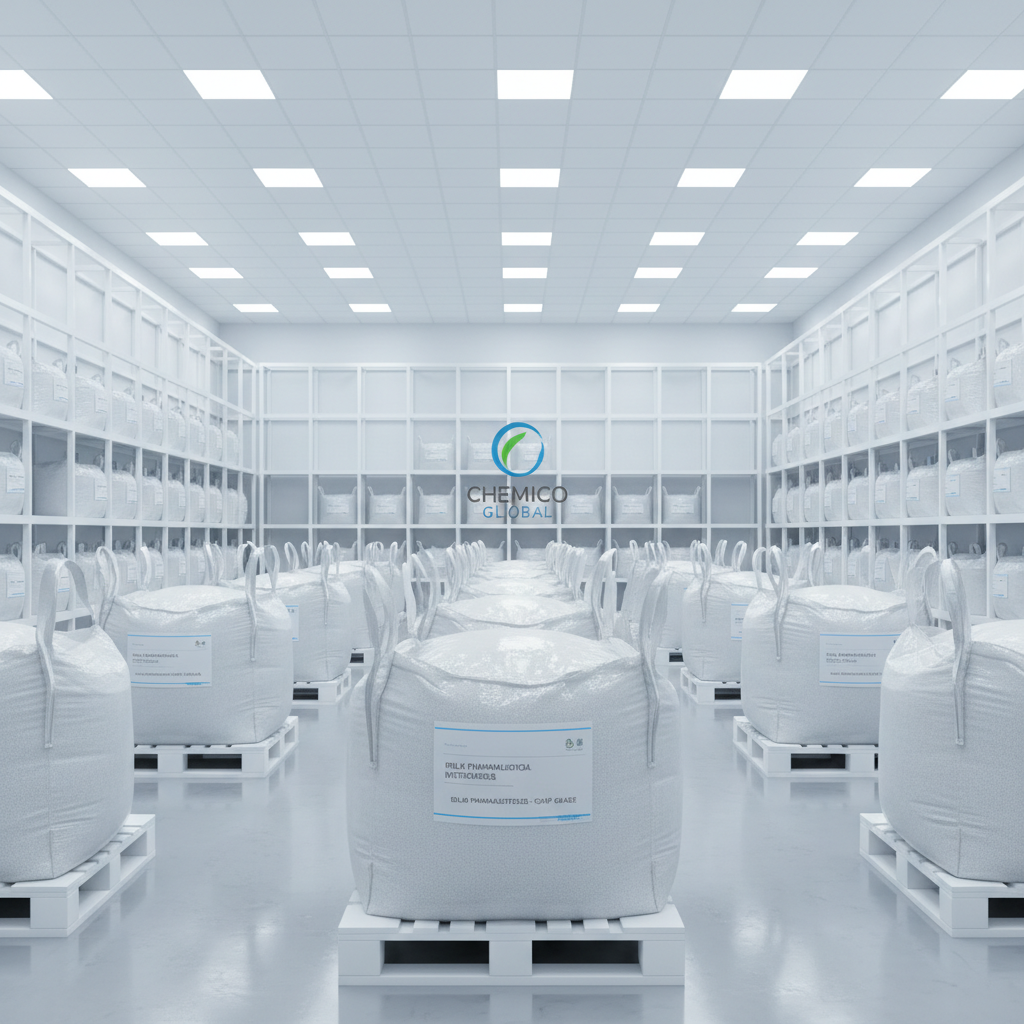
Selecting a reliable partner for industrial water chemistry is often a decision driven by the tension between operational efficiency and strict regulatory compliance. In high-stakes sectors like pharmaceutical and chemical manufacturing, the purity of processed water directly impacts product stability and facility longevity.
The complexity of modern effluent and process water requires more than just generic additives; it demands precise formulations that can handle varying mineral loads and biological contaminants without introducing unwanted side effects into the production chain.
Whether you are optimizing a cooling tower or managing pharmaceutical-grade water systems, understanding the operational logic of a professional water treatment chemicals factory is essential for ensuring sustainable industrial output.


The core of industrial water treatment lies in the management of solubility, pH balance, and microbial proliferation. In a professional manufacturing environment, the goal is to prevent scale formation, corrosion, and bio-fouling, which can otherwise lead to catastrophic equipment failure or contaminated pharmaceutical batches.
Modern facilities integrate diverse chemical families—from coagulants and flocculants to specialized biocides—to ensure that the water used in sensitive processes remains within tight specification limits.
When evaluating chemicals, technical staff must prioritize molecular stability and compatibility. For instance, the choice of an antiscalant depends heavily on the specific ions present in the source water, such as calcium and magnesium concentrations. A failure to match the chemical properties to the water profile often results in "chemical waste," where additives precipitate out of the solution before they can perform their function.
Furthermore, the purity grade of the chemicals is paramount. In pharmaceutical intermediate manufacturing, additives must not introduce trace metals or organic impurities that could catalyze unwanted side reactions during the synthesis of Active Pharmaceutical Ingredients (APIs).
Effective selection also involves analyzing the "dosage-response curve." The most efficient chemical is not necessarily the most concentrated one, but the one that achieves the desired water quality with the lowest environmental footprint and operational cost.
There is a profound intersection between the production of pharmaceutical intermediates and the chemicals used to treat the water that sustains these processes. Facilities that specialize in complex synthesis, such as those producing nitrogen-containing heterocycles or specialized salts, often leverage their internal chemical expertise to refine their own water treatment strategies.
The integration of pharmaceutical-grade precision into water treatment ensures that the chemical environment remains inert, preventing the degradation of sensitive intermediates and upholding the integrity of GMP-certified production lines.
For example, companies like Shijiazhuang Kunxiangda Technology Co., Ltd. operate within this duality, combining their capacity for pharmaceutical intermediate production with a professional understanding of chemical raw materials. This allows for a more holistic approach to facility management where the water chemistry supports the high-purity requirements of products like pharmaceutical intermediates and other fine chemicals.
Quantifying the success of a water treatment program requires monitoring a set of Relative Performance Indices. These indices allow plant managers to compare different chemical formulations based on their ability to reduce turbidity, control pH, and inhibit corrosion over time.
By assigning a value index to different chemical categories, an organization can determine where the highest return on investment occurs—whether it be in improving the efficiency of ion exchange resins or reducing the frequency of system flushes.
In a typical industrial setting, the primary risk associated with water treatment is "over-treatment," where an excess of chemicals leads to secondary pollution or the degradation of seals and gaskets. A manufacturer evaluating a new chemical supplier must consider the stability of the supply chain and the consistency of the chemical assay; a variation of even 1% in active content can shift the pH of a large-scale reservoir significantly.
Furthermore, the transition between different chemical agents requires a careful flushing protocol to avoid incompatible reactions. For example, mixing certain oxidizers with reducing agents within the same piping system can lead to hazardous gas release or rapid corrosion.
The industry is currently moving away from persistent organic pollutants toward biodegradable alternatives. This shift is driven by both environmental regulations and the need for safer workplace conditions. The development of "green" chelating agents that decompose naturally after use is a primary area of focus for research-driven factories.
Simultaneously, there is an increasing demand for multifunctional chemicals. Instead of using three separate products for scale, corrosion, and bio-control, new formulations are being developed that provide an integrated approach, reducing the number of dosing pumps required and simplifying the logistics of chemical storage.
These advancements are often supported by partnerships between manufacturers and academic institutions, ensuring that the production technology remains current with global sustainability standards.
Choosing the right provider involves more than comparing price per kilogram. A comprehensive decision framework must account for the technical support provided, the stability of the product purity, and the manufacturer's adherence to quality certifications.
The trade-off often lies between "commodity-grade" chemicals, which are cheaper but variable, and "specialty-grade" chemicals, which offer consistent performance but at a premium. For pharmaceutical environments, the higher cost of specialty chemicals is usually offset by the reduction in risk of batch failure.
The following table provides a comparative framework for evaluating these options based on typical industrial requirements.
| Evaluation Factor | Commodity Grade | Specialty Grade | Criticality |
|---|---|---|---|
| Assay Consistency | Moderate Variation | High Precision | High |
| Impurity Profile | General Specs | Strict Limits | Critical |
| Technical Support | Sales-led | Engineer-led | Moderate |
| Lead Time Stability | Market Dependent | Contractual | High |
| Environmental Impact | Standard | Low-Emission | Moderate |
| Cost per Unit | Low | Premium | Moderate |
A professional factory possesses the synthesis capacity to control molecular purity and formulation stability, whereas a trader typically provides existing products without the ability to customize the chemical profile to a specific water analysis. Factories can provide batch-to-batch consistency and technical documentation (like COAs) based on their own internal laboratory testing.
Pharmaceutical manufacturing requires water with extremely low conductivity and zero organic contamination. The treatment chemicals used must be highly refined to ensure they do not leave residues that could interfere with the synthesis of Active Pharmaceutical Ingredients (APIs) or contaminate the final drug product, necessitating the use of high-purity grades.
The most critical parameters include the saturation index of the specific minerals (like Calcium Carbonate or Calcium Sulfate) in the water, the operating temperature of the system, and the pH levels. The chemical must be capable of distorting the crystal growth of these minerals at the specific temperature and pH of the operation.
Yes, by moving from a "fixed dosage" model to a "demand-based dosage" model. By implementing real-time monitoring of water quality, the amount of chemicals injected can be adjusted based on actual need rather than a conservative over-estimation, which reduces chemical waste and extends the life of the equipment.
The primary risk is the introduction of unknown impurities or contaminants. Non-certified chemicals may contain trace elements that act as catalysts for unwanted reactions or cause product instability. This can lead to failed quality control tests and significant financial losses during the batch release process.
The trend is pushing the industry toward phosphate-free antiscalants and biodegradable biocides. This reduces the nutrient load in effluent water, preventing eutrophication in local water bodies and allowing plants to meet stricter environmental discharge permits without needing expensive secondary treatment systems.
The stability of industrial operations is fundamentally tied to the quality of the water chemistry employed. By prioritizing technical precision and supplier reliability over simple cost-reduction, manufacturers can protect their assets and ensure the purity of their final products.
As the industry evolves toward more sustainable and integrated chemical solutions, the role of the specialized water treatment chemicals factory becomes even more pivotal in bridging the gap between heavy industrial utility and high-precision pharmaceutical requirements.