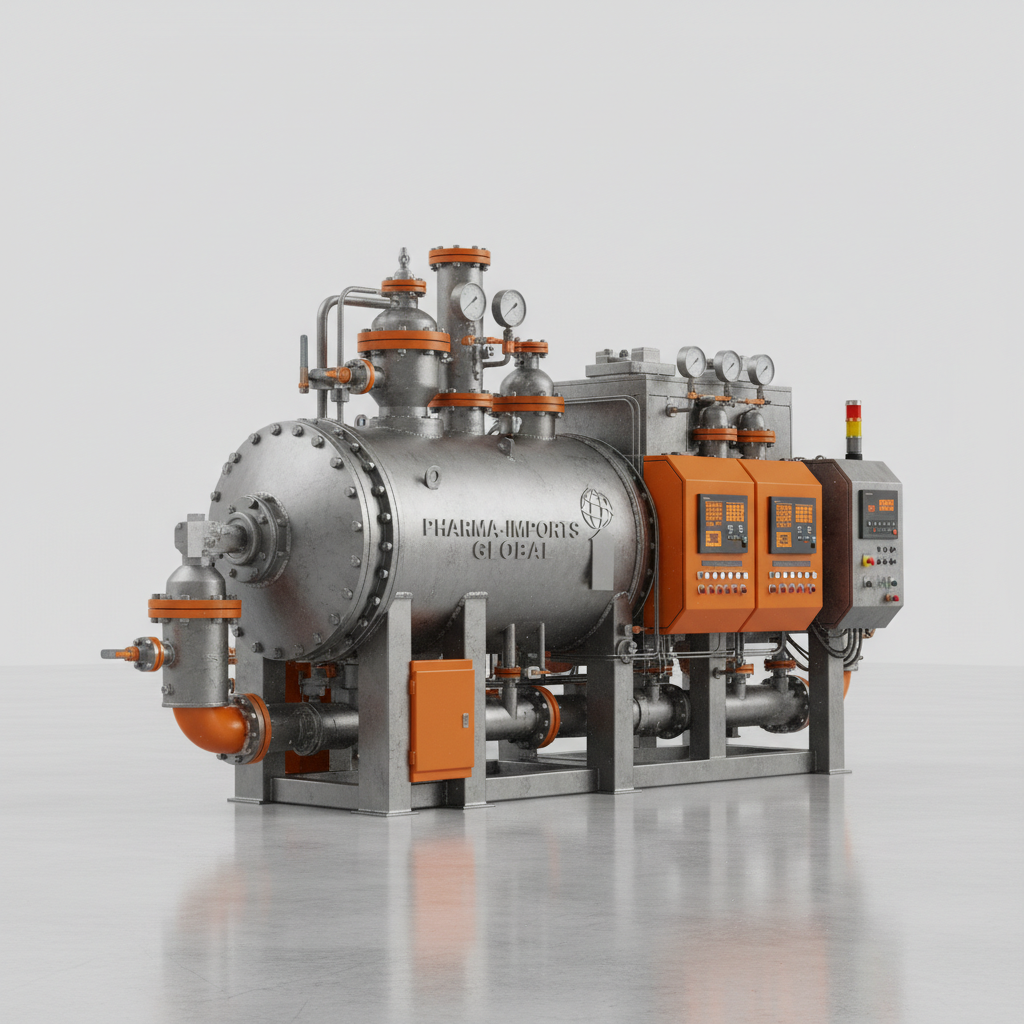
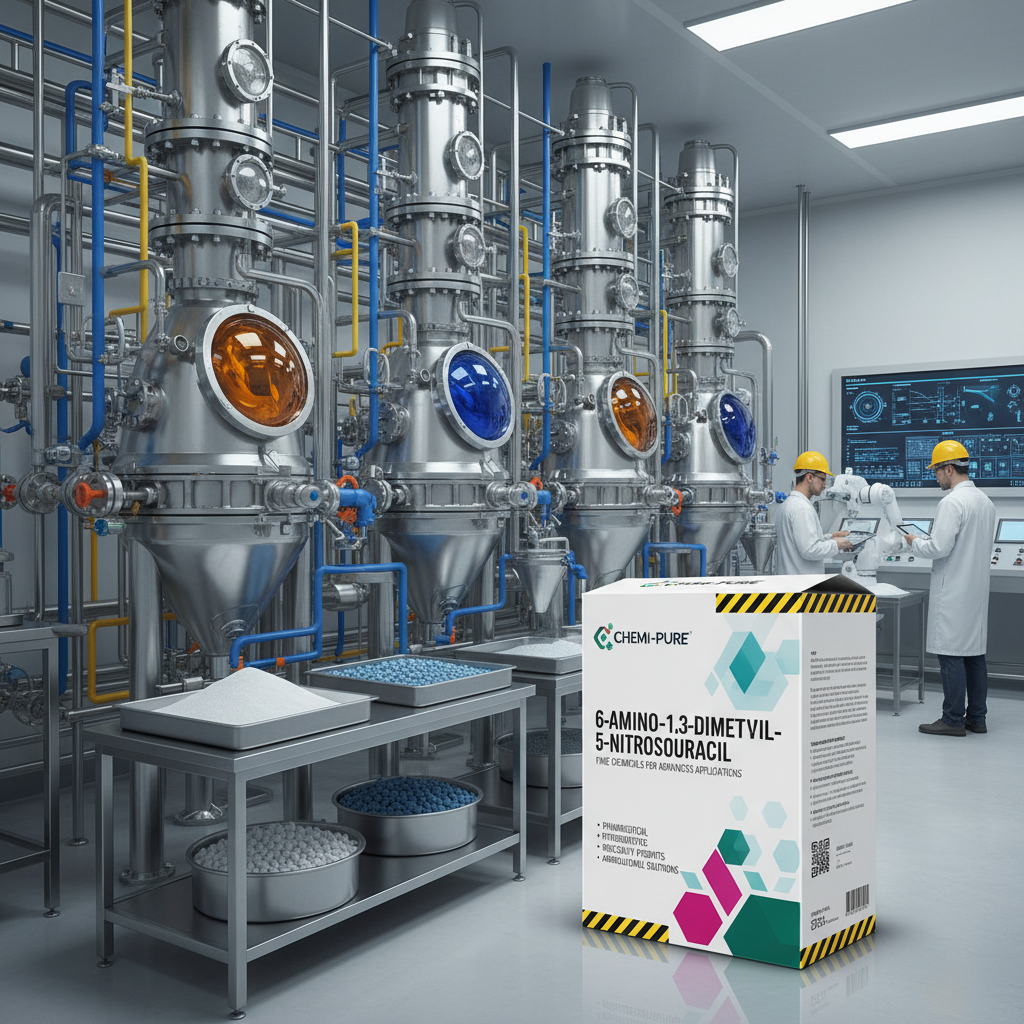
In the sophisticated landscape of pharmaceutical synthesis, 6 amino 1 3 dimethyluracil stands as a pivotal building block, essential for the creation of diverse bioactive compounds. As the global demand for specialized pharmaceutical intermediates grows, understanding the precise chemical properties and synthesis pathways of this uracil derivative becomes crucial for researchers and manufacturers aiming for high-purity API production.
The importance of 6 amino 1 3 dimethyluracil extends beyond simple laboratory synthesis; it is a cornerstone in the development of various therapeutic agents, particularly those targeting metabolic and cardiovascular conditions. By providing a stable yet reactive scaffold, it allows chemists to introduce specific functional groups that enhance the pharmacological efficacy and bioavailability of the final drug product.
Globally, the chemical industry is shifting toward more sustainable and efficient production methods for intermediates like 6 amino 1 3 dimethyluracil. The integration of green chemistry principles and advanced catalytic processes is not only reducing environmental impact but also lowering the cost of critical medicines, ensuring that life-saving treatments remain accessible to populations worldwide.
Global Relevance of 6 amino 1 3 dimethyluracil
The global pharmaceutical market is currently witnessing an unprecedented surge in the demand for high-purity intermediates. 6 amino 1 3 dimethyluracil has emerged as a key asset in this trend, serving as a vital precursor for xanthine derivatives and other purine-like molecules. With the rise of chronic diseases globally, the industry's reliance on these precise chemical scaffolds has increased, pushing manufacturers toward stricter ISO standards to ensure consistency across international borders.
From an economic perspective, the supply chain for 6 amino 1 3 dimethyluracil is a barometer for the health of the pharmaceutical intermediate sector. As emerging economies expand their healthcare infrastructure, the need for reliable, large-scale production of this intermediate becomes a matter of public health stability. The challenge lies in balancing the rapid increase in volume with the rigorous purity requirements mandated by global regulatory bodies like the FDA and EMA.
Chemical Definition and Industrial Meaning
In simple chemical terms, 6 amino 1 3 dimethyluracil is a modified pyrimidine derivative characterized by the presence of an amino group at the 6-position and methyl groups at the 1 and 3 positions of the uracil ring. This specific substitution pattern makes the molecule an ideal starting point for the synthesis of caffeine, theophylline, and various other methylxanthines, which are used extensively in treating respiratory and cardiovascular ailments.
Industrially, the "meaning" of this compound lies in its versatility. It acts as a molecular bridge, allowing for the systematic construction of complex heterocyclic systems. For the pharmaceutical manufacturer, it represents a balance between stability and reactivity; it is stable enough for long-term storage and transport but possesses the necessary chemical handles to undergo efficient condensation and cyclization reactions.
Beyond its chemical formula, the compound reflects the humanitarian need for affordable medicine. By optimizing the synthesis of 6 amino 1 3 dimethyluracil, companies can reduce the overall cost of the final API (Active Pharmaceutical Ingredient), directly impacting the cost of medicine for patients suffering from asthma or COPD, thereby bridging the gap between high-end chemical research and accessible patient care.
Core Components of High-Quality Synthesis
Achieving a premium grade of 6 amino 1 3 dimethyluracil requires meticulous control over several core factors, the first being purity and impurity profiling. Even trace amounts of residual solvents or unreacted precursors can compromise the efficacy of the final drug product, making high-performance liquid chromatography (HPLC) an essential tool in the quality control process.
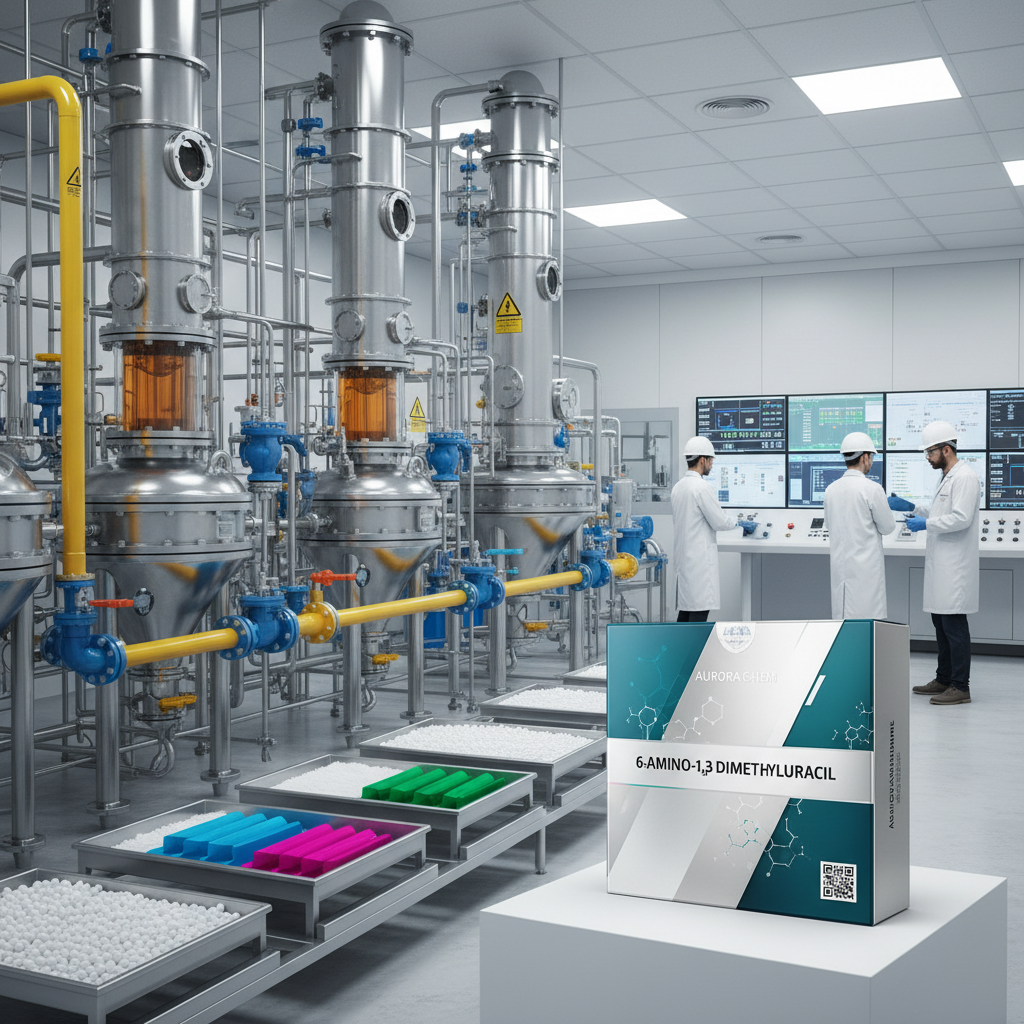
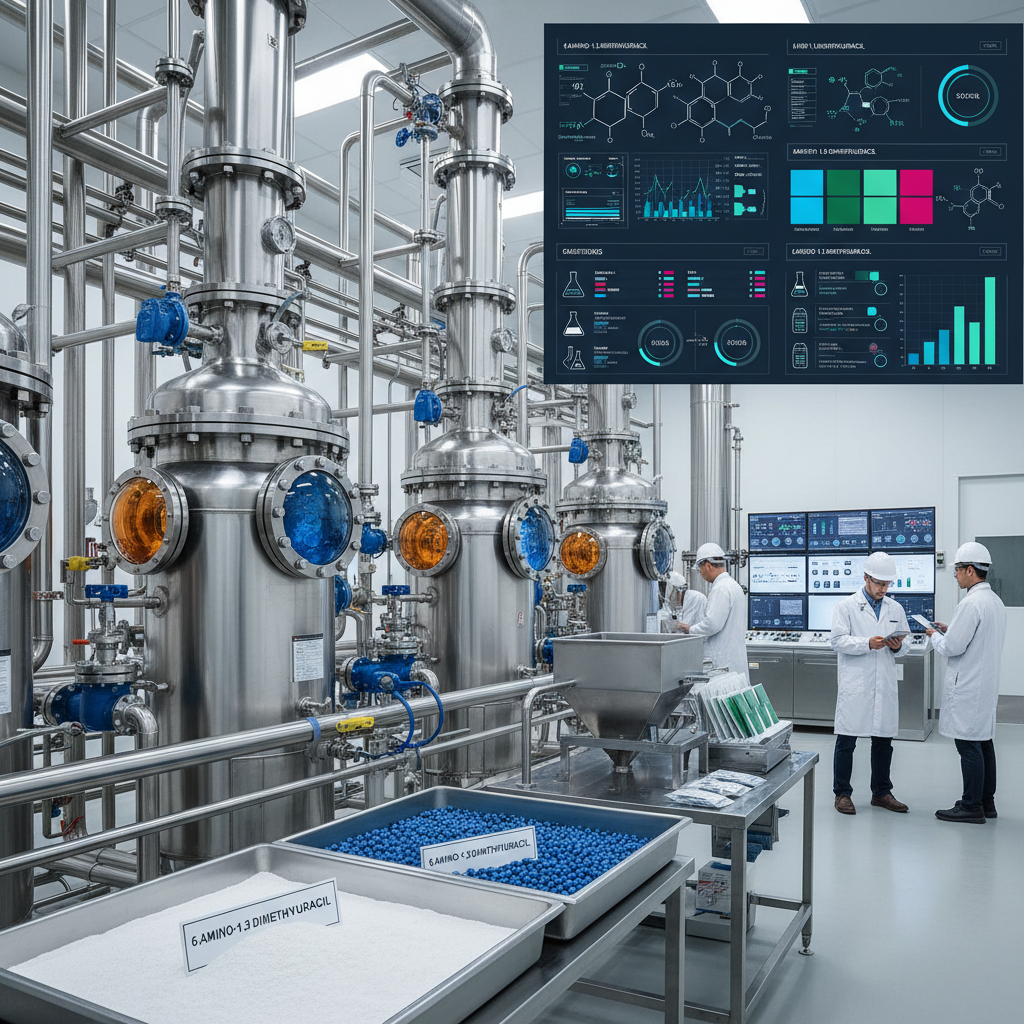
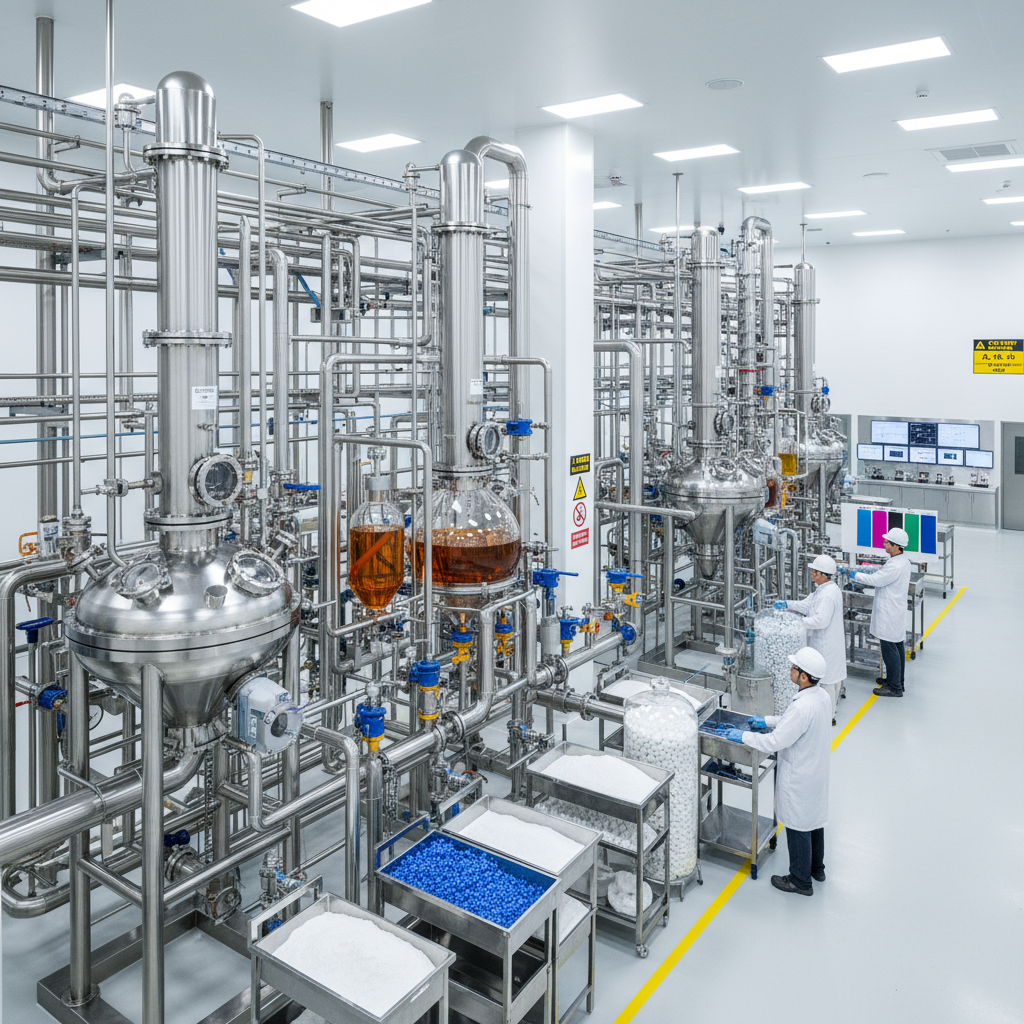
Another critical factor is process scalability. Transitioning from a lab-scale synthesis of 6 amino 1 3 dimethyluracil to multi-ton industrial production involves managing exothermic reactions and optimizing solvent recovery. The use of continuous flow chemistry is increasingly replacing batch processing to ensure a more uniform product and higher safety standards.
Finally, cost efficiency and environmental sustainability play a decisive role. The modern production of 6 amino 1 3 dimethyluracil focuses on reducing the use of hazardous reagents and implementing "atom economy" strategies. By maximizing the amount of raw materials that end up in the final product, manufacturers can lower waste disposal costs and adhere to global green chemistry mandates.
Practical Applications in Modern Medicine
The real-world application of 6 amino 1 3 dimethyluracil is most evident in the synthesis of bronchodilators. In clinical settings, these drugs are indispensable for managing acute asthma attacks and chronic obstructive pulmonary disease (COPD), where the purine-like structure derived from the intermediate helps in relaxing smooth muscles in the airways.
Furthermore, this intermediate is utilized in the creation of specialized diuretics and cardiovascular stimulants. In remote industrial zones where medical facilities may be limited, the availability of stable, high-quality medicines derived from 6 amino 1 3 dimethyluracil ensures that essential care can be administered without the risk of drug degradation or impurity-related side effects.
Efficiency Analysis of 6 amino 1 3 dimethyluracil Synthesis Methods
Long-term Value and Strategic Advantages
Investing in high-grade 6 amino 1 3 dimethyluracil provides pharmaceutical companies with a strategic advantage in terms of reliability and risk mitigation. When a manufacturer secures a consistent source of this intermediate, they reduce the likelihood of batch failures in the final API stage, which can save millions of dollars in wasted materials and lost production time.
Beyond the financial logic, there is an emotional and ethical dimension to the quality of 6 amino 1 3 dimethyluracil. Ensuring the highest purity means ensuring patient safety. The trust built between a chemical supplier and a pharmaceutical brand is predicated on the transparency of the supply chain and the uncompromising quality of every single shipment.
Future Trends in Uracil Derivative Innovation
The future of 6 amino 1 3 dimethyluracil is closely tied to the digital transformation of chemistry. AI-driven retrosynthesis is now being used to find even more efficient paths to this molecule, potentially reducing the number of steps required and eliminating toxic intermediates entirely. This evolution is paving the way for "on-demand" synthesis where intermediates are produced in modular units close to the point of final drug formulation.
Sustainability will also remain a primary driver. We are seeing a move toward bio-based precursors for the uracil ring, reducing the reliance on petroleum-derived feedstocks. The integration of enzymatic catalysts for the amination process of 6 amino 1 3 dimethyluracil is another area of intense research, promising near-perfect selectivity and zero hazardous waste.
Lastly, as personalized medicine grows, the demand for modified uracil derivatives will diversify. 6 amino 1 3 dimethyluracil will likely serve as the base for a new generation of targeted therapies, including mRNA-related stabilizers and highly specific enzyme inhibitors, expanding its role from a traditional intermediate to a high-tech tool for precision medicine.
Overcoming Challenges in Production Scaling
One of the primary challenges in the mass production of 6 amino 1 3 dimethyluracil is the management of crystallization. Achieving a consistent particle size distribution is critical for the downstream solubility and reactivity of the compound. Expert insights suggest that utilizing controlled cooling rates and specific seed crystals can significantly improve the physical characteristics of the final powder.
Another hurdle is the strict regulation regarding volatile organic compounds (VOCs) used during the synthesis. Many traditional methods for 6 amino 1 3 dimethyluracil rely on solvents that are now under heavy scrutiny. The solution lies in the adoption of "switchable solvents" or aqueous-phase reactions, which maintain yield while complying with stringent environmental laws.
Finally, global logistics and stability during transport can be problematic. To solve this, manufacturers are implementing advanced vacuum-sealed packaging and temperature-monitored shipping containers. This ensures that the 6 amino 1 3 dimethyluracil arrives at the customer's facility with its purity and moisture content intact, ready for immediate use in synthesis.
Technical Analysis of 6 amino 1 3 dimethyluracil Quality Parameters
| Analysis Dimension |
Standard Grade |
Pharmaceutical Grade |
Impact on Final API |
| Chemical Purity |
≥ 98% |
≥ 99.5% |
Critical for safety |
| Moisture Content |
< 1.0% |
< 0.5% |
Affects reaction rate |
| Residual Solvents |
Moderate |
Ultra-Low |
Regulatory compliance |
| Particle Size |
Variable |
Uniform |
Ensures solubility |
| Heavy Metals |
< 20 ppm |
< 10 ppm |
Toxicity prevention |
| Color Index |
Off-white |
Pure White |
Indicates oxidation |
FAQS
It is primarily used as a key intermediate for the synthesis of methylxanthines, such as theophylline and caffeine. These compounds are critical for treating respiratory diseases like asthma and COPD by acting as bronchodilators. Its structural properties allow for efficient cyclization into the purine ring system required for these drugs.
High purity is essential because any impurities in the intermediate can carry over into the final Active Pharmaceutical Ingredient (API). This can lead to unexpected side effects, reduced potency, or failure to meet strict regulatory standards set by the FDA or EMA. Pharmaceutical grade (99.5%+) is usually required for human drug production.
Yes, it is generally a stable solid. However, it can be sensitive to moisture and extreme heat over long periods. To maintain quality, it should be stored in airtight, vacuum-sealed containers in a cool, dry environment. Using temperature-controlled logistics is recommended for high-purity grades to avoid any degradation.
Current innovations include the use of bio-based catalysts and switchable solvents to replace traditional organic solvents. Continuous flow chemistry is also being implemented to reduce waste and energy consumption, significantly improving the atom economy and reducing the environmental footprint of the production process.
Quality verification should be done using a Certificate of Analysis (CoA) provided by the manufacturer. The most reliable methods for internal verification include HPLC for purity, Karl Fischer titration for moisture content, and FTIR spectroscopy to confirm the molecular structure and identify any significant impurities.
It should be stored in a well-ventilated area, away from strong oxidizing agents. The container must be kept tightly closed to prevent moisture absorption. For long-term storage, maintaining a temperature between 2-8°C is often recommended to ensure the maximum shelf life and maintain the chemical integrity of the powder.
Conclusion
In summary, 6 amino 1 3 dimethyluracil is far more than a simple chemical reagent; it is a strategic component in the global pharmaceutical supply chain. From its role in synthesizing life-saving respiratory medications to its importance in advancing green chemistry, its value lies in the intersection of purity, stability, and versatility. By adhering to rigorous quality standards and embracing innovative production methods, the industry ensures that this intermediate continues to support the development of effective and affordable medicines.
Looking forward, the continued evolution of 6 amino 1 3 dimethyluracil will likely be driven by AI-optimized synthesis and a shift toward sustainable, bio-based feedstocks. For pharmaceutical manufacturers, the key to future success lies in partnering with suppliers who prioritize transparency and precision. We invite you to explore our high-purity solutions and professional support to elevate your API production. Visit our website: www.kxdchem.com