

A field note on α-ketoleucine calcium: what buyers actually ask, and what the lab data shows
I’ve been visiting amino acid and keto-analog plants since before “clean label” became a buzzword. One item that keeps cropping up in R&D calls is α-ketoleucine calcium—known in technical circles as the calcium salt of α-ketoisocaproate (the keto analogue of leucine). From sports and clinical nutrition to specialty feeds, the interest is real, and—surprisingly—the QC demands are getting stricter every quarter.
Origin and context
This specific grade comes out of Xingye Street, Economic & Technological Development Zone, Shijiazhuang, China. The local cluster has matured; to be honest, the equipment isn’t flashy, but the process control is. Many customers say the lot-to-lot consistency is the draw.
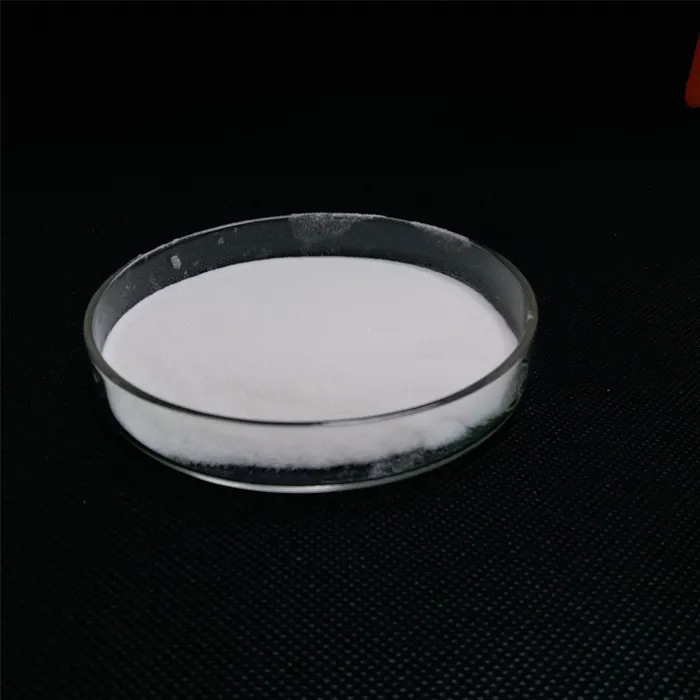
Product image: α-ketoleucine calcium – typical fine, free-flowing powder (appearance may vary ≈).
How it’s made (short version)
- Starting material: L-leucine (pharma or food grade, specified).
- Conversion: Controlled deamination/transamination to α-ketoisocaproate (KIC).
- Neutralization: KIC reacted with calcium base (CaCO₃ or Ca(OH)₂) under pH control.
- Purification: Filtration, decolorization as needed, and crystallization.
- Drying & milling: Low-temp drying to preserve assay; sieving to target particle size.
- QC release: HPLC assay, ICP-MS for Ca and metals, water, residual solvents, micro.
Product specifications (typical)
| Parameter | Spec (typical) | Method / Note |
|---|---|---|
| Assay (as α-ketoisocaproate) | ≥ 98.0% | HPLC; validated per ICH Q2 (≈) |
| Calcium content | 8.5–10.5% | ICP-MS |
| Loss on drying | ≤ 1.0% | 105°C, 2 h |
| Heavy metals (Pb, Cd, As, Hg) | Meets limits (Pb ≤ 1.0 ppm) | ICP-MS; per relevant pharmacopeial limits |
| Microbial count | TAMC ≤ 1000 CFU/g; TYMC ≤ 100 CFU/g | USP / |
| Appearance | White to off-white powder | Visual |
Shelf life: 24–36 months sealed; store cool & dry. Real-world use may vary with humidity and packaging.
Applications and advantages
- Nutrition: formulations where amino acid “nitrogen-sparing” concepts apply; tablets, sachets, blends.
- Sports: pre/intra-workout stacks exploring leucine pathways; formulators like the calcium contribution.
- Specialty feed: targeted ruminant trials (pilot scale) report palatability and flow benefits.
The upside? α-ketoleucine calcium offers good compressibility, reasonable taste profile (for a keto acid salt), and compatible pH behavior in blends. Actually, it disperses better than some sodium analogues—at least from what formulators tell me.
Industry trend check
Two trends stand out: tighter heavy metal specs (retailers are pushing) and documentation depth—COAs plus method validations and risk assessments. Also, buyers now ask for nitrosamine risk statements, which seemed odd two years ago but not anymore.
Vendor comparison (snapshot)
| Criteria | KXD Chem (Shijiazhuang) | Vendor A | Vendor B |
|---|---|---|---|
| Assay consistency (RSD) | ≈0.6% over 8 lots | ≈1.2% | ≈0.9% |
| Lead (ppm, typical) | ≤0.3 | ≤0.5 | ≤0.4 |
| Docs (ISO/GMP, methods) | ISO 9001; method validation pack | ISO 9001 only | ISO 9001; partial methods |
| Customization | Granulation, PS control, premix | PS control only | Limited |
Customization and QA
Options include 80–200 mesh, direct-compression granules, and low-dust versions. Testing aligns with USP / for elemental impurities, USP for chromatography, and GB/T sampling. Batches ship with full COA; some customers request a three-batch validation summary—doable.
Mini case notes
- Sports tablet brand (EU): switching to α-ketoleucine calcium DC-grade improved hardness by ~12% and reduced capping during scale-up.
- APAC medical nutrition blender: moisture-controlled packaging cut LOD drift from 1.4% to 0.6% after 6 months at 25°C/60% RH.
Note: Use within applicable regulations for your market; claims and dosages should follow local guidance.
Citations
- PubChem: 4-Methyl-2-oxopentanoic acid (α-ketoisocaproate) – structure and properties.
- USP General Chapters <232> and <233>: Elemental Impurities—Limits and Procedures.
- ICH Q2(R1): Validation of Analytical Procedures—Text and Methodology.
- ISO 9001:2015 Quality Management Systems—Requirements.