

α-ketovaline calcium: what buyers, formulators, and QA teams really ask me
I’ve walked more than a few factory floors where keto analogues are made, and—honestly—the difference between a decent lot and a great lot shows up later in tableting and stability. Coming out of Xingye Street, Economic & Technological Development Zone, Shijiazhuang, China, this α-ketovaline calcium is pitched squarely at medical nutrition and renal-support formulations. It’s a niche ingredient, but an important one.
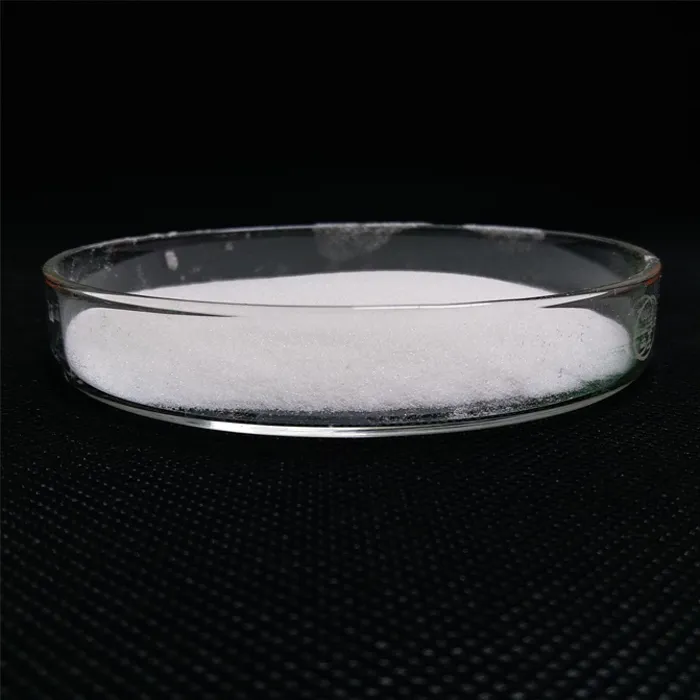
What it is and where it fits
Chemically, α-ketovaline calcium is the calcium salt of the keto analogue of valine (often referenced in keto-analogue blends used alongside low-protein diets). In practice, R&D teams use it to balance amino acid profiles without adding nitrogen. You’ll see it in renal nutrition tablets, sometimes in combo with keto analogues of leucine, isoleucine, etc. To be honest, it’s an ingredient that rewards tight process control.
Typical product specs (real-world values may vary)
| Parameter | Spec (≈) | Method |
|---|---|---|
| Assay (on dry basis) | ≥ 98.5% | HPLC (validated) |
| Calcium content | 15–18% | Complexometric (EDTA) / ICP-OES |
| Loss on drying | ≤ 1.0% | USP |
| Residual solvents | Meets ICH Q3C | GC |
| Microbial limits | USP <61>/<62> compliant | Plate count |
| Appearance | White to off-white powder | Visual |
| Shelf life | 24 months sealed, cool/dry | Real-time stability |
Process snapshot (why it matters)
Materials: L-valine (or α-keto acid precursor), oxidant/biocatalyst, calcium hydroxide, purified water. Methods: either oxidative deamination of valine (chemical) or a biocatalytic transamination route; neutralize with Ca(OH)2, control pH 6.8–7.2, crystallize, filter, wash, dry under ≤60°C. QC gates at each step—especially on residual ammonium and organic impurities—tend to correlate with tablet stability (anecdotally, many customers say they see fewer friability issues).
Testing standards: ICH Q3C for solvents, heavy metals by ICP-MS per ICH Q3D, micro by USP <61>/<62>, assay by validated HPLC. Batch COA plus full traceability. GMP/ISO 9001:2015 systems are expected in this category.
Where formulators use it
- Medical nutrition tablets/capsules in renal support blends- Specialized clinical nutrition powders (nitrogen-sparing profiles)
- R&D for protein-restricted diet adjuncts (under regulatory oversight)
Industries served: medical nutrition, dietary supplement, clinical R&D.
Vendor comparison (indicative)
| Item | KXD Chemical | Generic Trader A | Lab-Scale B |
|---|---|---|---|
| Assay consistency | High (tight ±0.5%) | Varies lot-to-lot | High, limited volumes |
| Compliance | ISO 9001, GMP-like docs | Basic | R&D only |
| Lead time | 7–15 days | 15–30 days | Made-to-order |
| Customization | Granulation/particle sizing | Limited | Yes, small batches |
| Price (FOB) | Mid | Low–mid | High |
Note: indicative; confirm with current quotes and specs.
Customization and QA add-ons
- Particle size targets: D90 ≈ 150–300 µm to match your blend flow- Granulated grade for direct compression (surprisingly useful in high-load tablets)
- Low-solvent process variant to tighten ICH Q3C margins
- Full dossier: COA, MSDS, stability data, method validation, and audit support
Mini case notes
Case 1 (clinical nutrition tablet): Switching to a tighter-assay α-ketovaline calcium reduced blend variability; tablet friability dropped from 1.1% to 0.5% (n=3 pilot lots). Case 2 (powder blend): Granulated grade improved flow (Hausner ratio from 1.28 to 1.19), cutting fill-weight rejects by ≈30%. I guess the takeaway is: particle engineering pays off.
Compliance, packaging, logistics
Certifications: ISO 9001:2015 QMS; food-/nutrition-grade GMP documentation available. Packaging: 25 kg fiber drum with double PE liner; nitrogen flush on request. Storage: cool, dry, sealed. Origin: Shijiazhuang, China (export-ready, standard docs).
A quick reality check
While α-ketovaline calcium is widely used in medical nutrition, actual formulation and use should follow local regulations and clinical guidance. Always verify specs, audit the site if you can, and run your own stability—real-world use can vary.