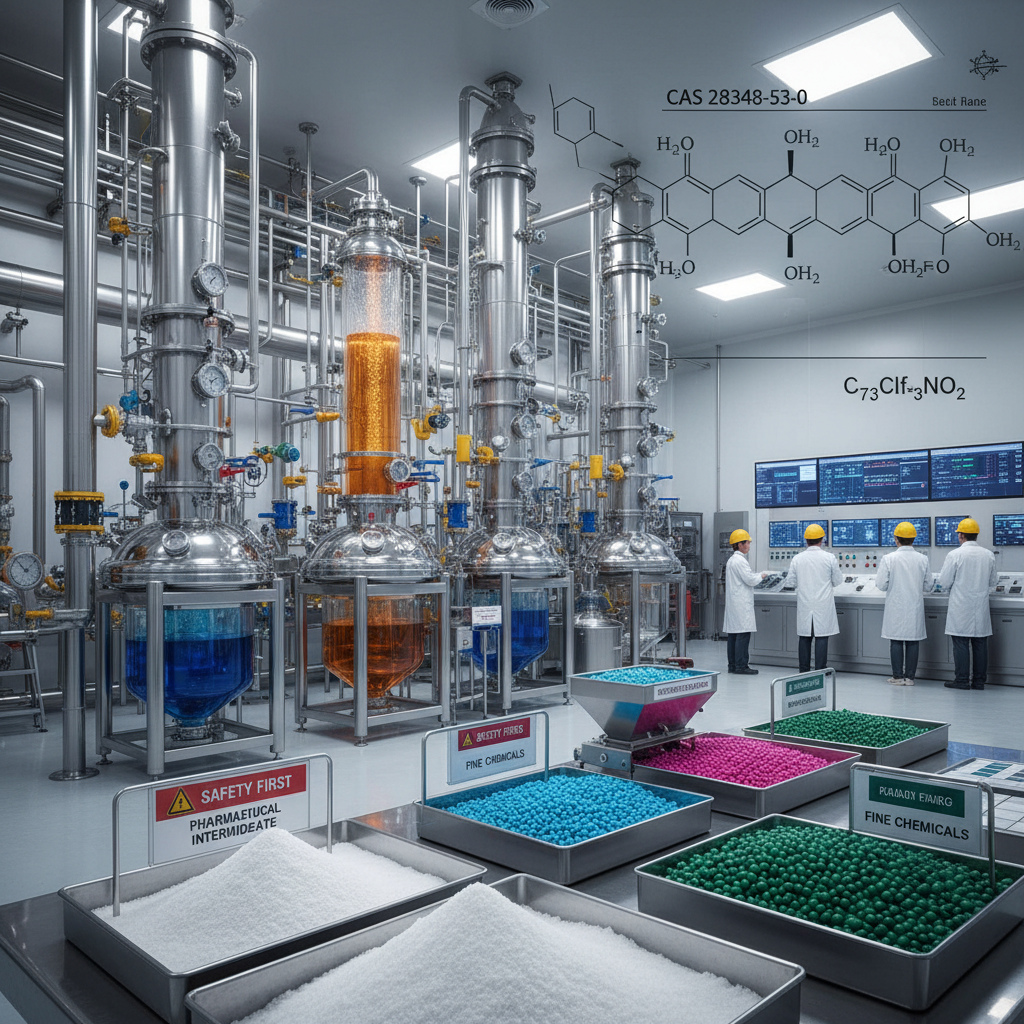
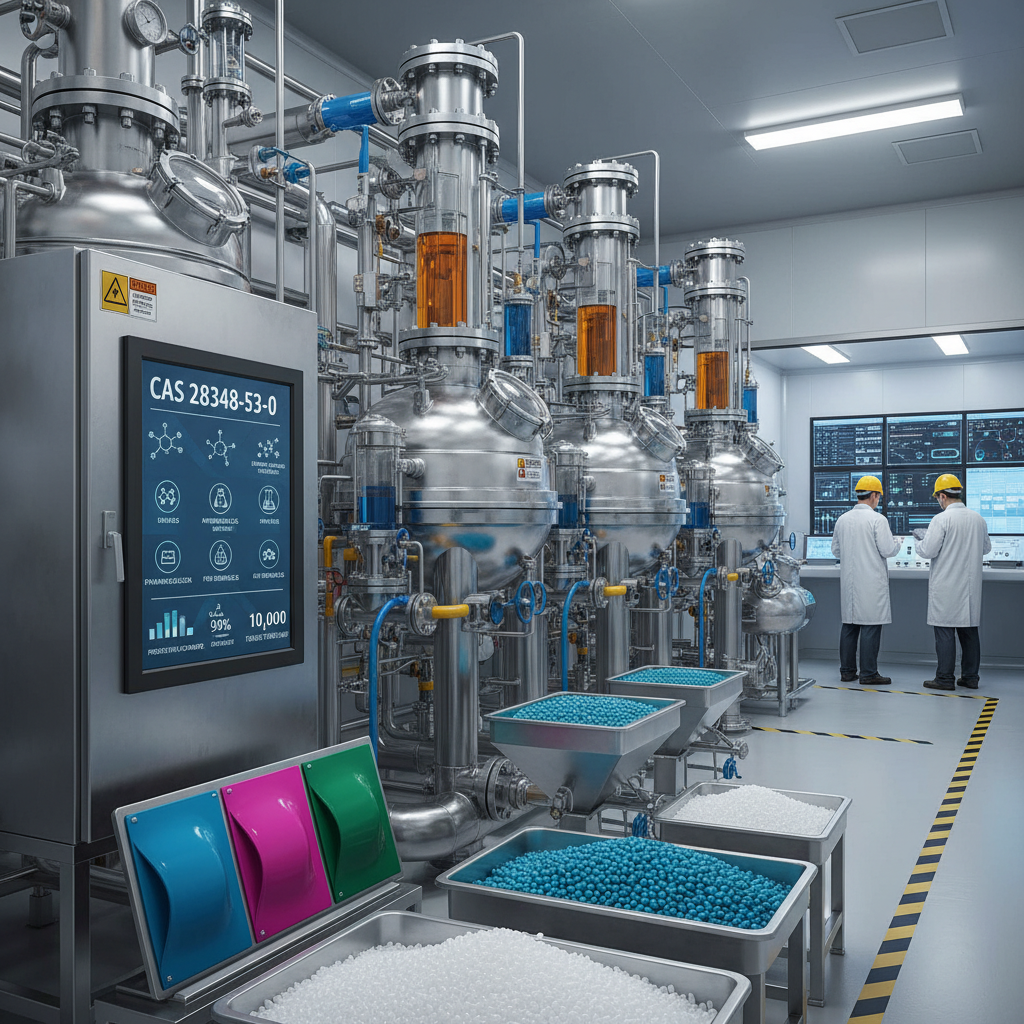
Look, I’ve spent the last fifteen years breathing concrete dust and chasing down supply chains. When you're out on site every day, dealing with real-world problems, you learn what actually matters. And let me tell you, cas 28348 53 0 – that’s Polyvinyl Alcohol, for those not neck-deep in material specs – is something that’s quietly revolutionizing a lot of what we build. It's not glamorous, but it’s fundamental. It’s the stuff that holds things together, improves performance, and saves headaches down the line. It's a workhorse material, and frankly, it's about time more people understood its potential.
We’re talking about a water-soluble synthetic polymer. Sounds boring, right? But think about the sheer number of applications: concrete admixtures, adhesives, textiles, paper coatings, even specialized films. I've seen it used to drastically improve the workability of concrete in scorching heat, preventing cracking and ensuring a stronger final product. That’s not just theory, that's saved projects from serious delays and cost overruns. The versatility of cas 28348 53 0 is what makes it so valuable.
The demand is only going to keep increasing. With infrastructure projects ramping up globally, and a growing focus on sustainable building materials, we need solutions that are reliable, cost-effective, and perform under pressure. That's where Polyvinyl Alcohol steps in. It’s not a ‘sexy’ innovation, but it’s a critical component in making modern construction and manufacturing possible.
The Global Significance of cas 28348 53 0
The global demand for construction materials is projected to reach $1.5 trillion by 2028 (source: Mordor Intelligence). That’s a staggering number, and it highlights a critical need for materials that improve efficiency and durability. cas 28348 53 0, as a key ingredient in concrete admixtures and various other building products, plays a significant – yet often unseen – role in meeting this demand. It’s not just about building more; it's about building better and building to last.
Think about rapidly developing nations – infrastructure projects are happening at breakneck speed. They need materials that can withstand challenging climates, unpredictable supply chains, and varying levels of skilled labor. Polyvinyl Alcohol offers a level of consistency and performance that’s invaluable in those situations. The ISO standards for construction materials are becoming increasingly stringent, and cas 28348 53 0 helps manufacturers meet and exceed those requirements.
Understanding Polyvinyl Alcohol: A Definition
Okay, let's break it down. cas 28348 53 0, Polyvinyl Alcohol, is a synthetic polymer created through the polymerization of vinyl acetate. The result is a white, odorless powder or granules that dissolves in water. It’s not a naturally occurring substance, but it's derived from relatively abundant raw materials. What makes it special is its film-forming, emulsifying, and adhesive properties.
Its connection to modern industry isn't just about construction. We're talking textiles – it’s used in the sizing of yarns to improve their strength and weave-ability. Paper coatings use it for improved print quality and resistance. It's even used in specialized packaging films. But really, its biggest impact is in applications where binding, adhesion, and modifying the properties of other materials are crucial.
Look, at the end of the day, it’s a chemical that helps us build a more resilient and efficient world. It's a fundamental building block, even if most people don't realize it.
Core Properties Driving Performance
Durability is huge. cas 28348 53 0-modified concrete is more resistant to cracking, abrasion, and chemical attack, which translates to longer-lasting structures and reduced maintenance costs. I’ve seen bridges and roadways stay viable for years longer thanks to the inclusion of PVA.
Emulsification – this is key for creating stable mixtures. It allows us to combine materials that normally wouldn't play well together, like water and oil-based components, leading to improved workability and performance. Scalability is also critical. It's relatively easy to produce in large quantities and tailor the properties to specific needs.
Cost-efficiency matters, especially on large-scale projects. Compared to some alternative polymers, PVA offers a very competitive price point without sacrificing performance. And, importantly, its addition often reduces overall project costs by improving efficiency and minimizing rework. Finally, compatibility – it integrates well with a huge range of other materials, making it incredibly versatile.
All these properties combine to make it a material that’s tough, adaptable, and practical for a wide range of applications.
Real-World Applications Across Industries
In construction, as I’ve mentioned, it’s a game-changer in concrete. It improves workability, reduces water demand, and enhances the strength and durability of the final product. I've used it on everything from high-rise buildings to highway overpasses. Then you look at textiles – it's used as a warp sizing agent to protect yarns during weaving, leading to stronger, more consistent fabrics.
The paper industry benefits from its film-forming properties, resulting in higher-quality printing and improved paper strength. And even in specialized industries like packaging, PVA is used to create barrier films that protect products from moisture and oxygen. It’s even used in adhesives for wood and paper products.
I've even seen some pretty innovative uses in temporary protective coatings for sensitive surfaces during construction or transportation. It’s a surprisingly diverse material, popping up in places you’d least expect.
cas 28348 53 0 Application Breakdown
Advantages & Long-Term Value Proposition
The biggest benefit? Reliability. You know what you're going to get with cas 28348 53 0. Consistency in performance is critical, and it delivers. That translates into fewer headaches, reduced waste, and projects that stay on schedule and within budget. Think about the cost of fixing a concrete failure – it’s astronomical. Preventing that in the first place is where the real value lies.
From a sustainability standpoint, it helps extend the lifespan of structures, reducing the need for frequent repairs or replacements. That's a significant environmental benefit. It’s not a ‘green’ material in the purest sense, but it contributes to more sustainable building practices. It’s about building things to last, which inherently reduces waste.
Future Trends & Innovations with cas 28348 53 0
We’re seeing a lot of research into modifying PVA to enhance its properties even further – things like improved water resistance and increased strength. There’s also growing interest in bio-based PVA alternatives, derived from renewable resources, which would significantly reduce its environmental footprint.
And as automation and digital construction technologies become more prevalent, the precise control and consistent performance offered by PVA will become even more valuable. We need materials that can be reliably integrated into automated processes, and PVA fits the bill.
Challenges & Optimization Strategies
One of the biggest challenges is its sensitivity to moisture. It’s highly water-soluble, so proper storage and handling are essential. If it gets wet before use, it can lose its effectiveness. That's a simple issue, but one that can cause big problems on site.
Another area for optimization is reducing its reliance on petroleum-based feedstocks. The development of bio-based alternatives is crucial for improving its sustainability profile. And finally, ongoing research into tailoring its properties to specific applications will unlock even more potential. We need to move beyond the ‘one-size-fits-all’ approach and develop PVA formulations that are optimized for specific performance requirements.
Ultimately, it’s about continuous improvement and innovation. PVA is a fantastic material, but it’s not perfect. By addressing these challenges, we can unlock its full potential and make it an even more valuable asset for the construction and manufacturing industries.
Summary of Challenges and Optimization Strategies for cas 28348 53 0
| Challenge Area |
Severity (1-10) |
Potential Solution |
Implementation Cost (1-10) |
| Moisture Sensitivity |
8 |
Improved Packaging & Storage Protocols |
2 |
| Petroleum-Based Origin |
7 |
Development of Bio-Based PVA |
6 |
| Application Specificity |
5 |
Custom Formulation for Targeted Performance |
4 |
| Long-Term Degradation |
4 |
Incorporation of UV Stabilizers & Antioxidants |
3 |
| Supply Chain Disruptions |
6 |
Diversification of Sourcing & Strategic Stockpiling |
5 |
| Cost Fluctuations |
5 |
Long-Term Supply Contracts & Value Engineering |
4 |
FAQS
PVA significantly improves the workability of concrete, allowing it to be placed and finished more easily. It also reduces water demand, leading to increased strength and durability. It minimizes cracking, especially in challenging conditions like hot weather, and helps create a more homogenous and robust final product. For us on site, that means less rework and a higher quality build.
While there are other polymers available, PVA often strikes a good balance between performance and cost. It’s generally more affordable than some of the high-performance acrylics, yet offers comparable or even superior performance in many applications. It’s also known for its excellent compatibility with a wide range of cement types and other admixtures.
Proper storage is crucial! PVA is highly hygroscopic, meaning it readily absorbs moisture from the air. It should be stored in a cool, dry, well-ventilated area, in tightly sealed containers. Avoid exposure to humidity and direct sunlight. Once opened, the container should be resealed immediately to prevent clumping and loss of performance.
Currently, most PVA is derived from petroleum-based sources. However, there's increasing research and development into bio-based PVA alternatives, which would significantly improve its sustainability profile. Regardless, by improving the durability of structures, PVA contributes to reducing the need for frequent repairs and replacements, lessening the overall environmental impact.
Dosage rates vary depending on the specific application, cement type, and desired performance characteristics. However, a typical range is between 0.1% to 1.0% by weight of cement. It's always best to consult with a concrete admixture specialist or follow the manufacturer's recommendations for optimal results. Too little won't deliver the benefits, and too much can have adverse effects.
PVA is generally considered non-toxic, but it's always good practice to wear appropriate personal protective equipment (PPE) when handling any chemical substance. This includes gloves, safety glasses, and a dust mask, especially when working with the powder form. Avoid inhaling the dust and ensure adequate ventilation in the work area.
Conclusion
cas 28348 53 0 is more than just a chemical compound; it’s a foundational element in countless industries. From enhancing the durability of our infrastructure to improving the quality of everyday products, its versatility and performance are undeniable. It’s a workhorse material that quietly underpins much of the modern world.
Looking ahead, continued innovation in bio-based alternatives and optimized formulations will further solidify its position as a critical component in sustainable building and manufacturing practices. We need to embrace these advancements and continue to explore the full potential of PVA to build a more resilient and efficient future. If you're looking for a reliable, cost-effective, and versatile polymer, cas 28348 53 0 is definitely worth considering. Visit our website: www.kxdchem.com