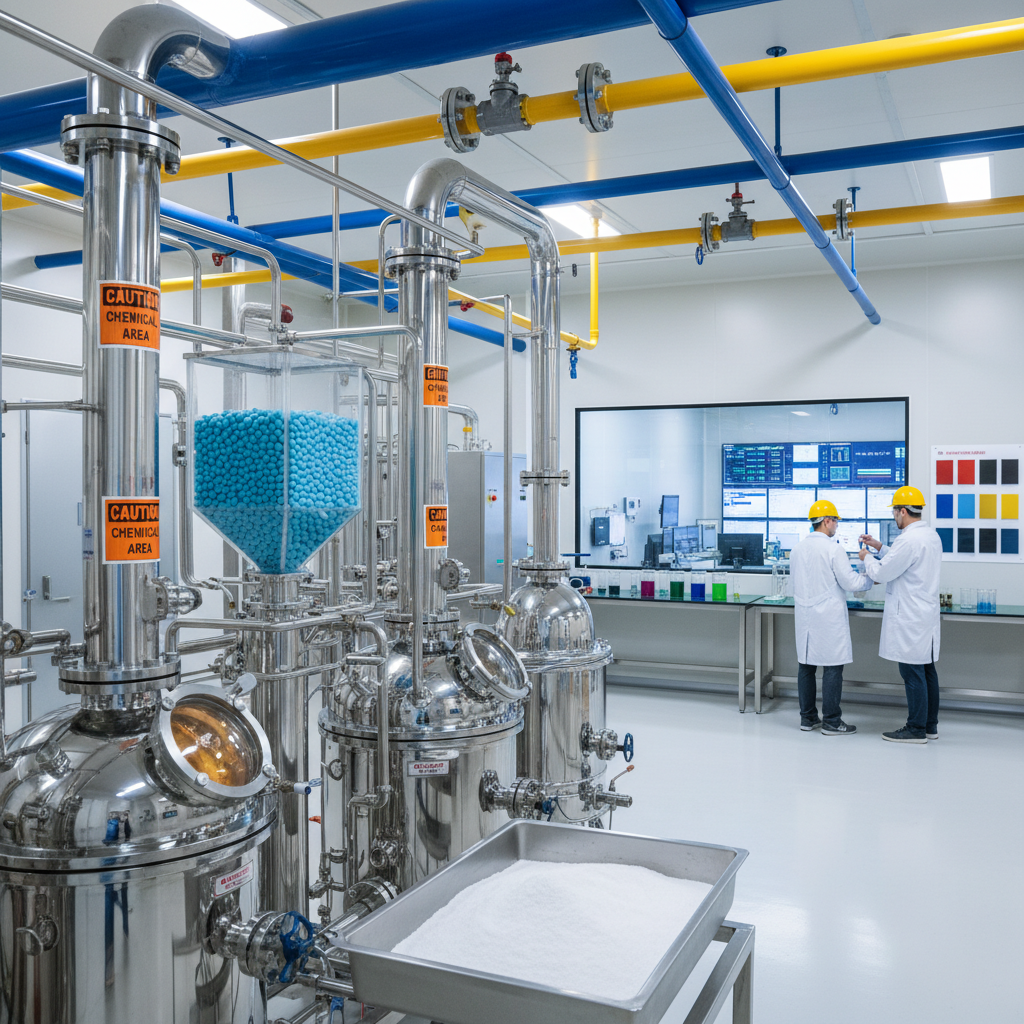
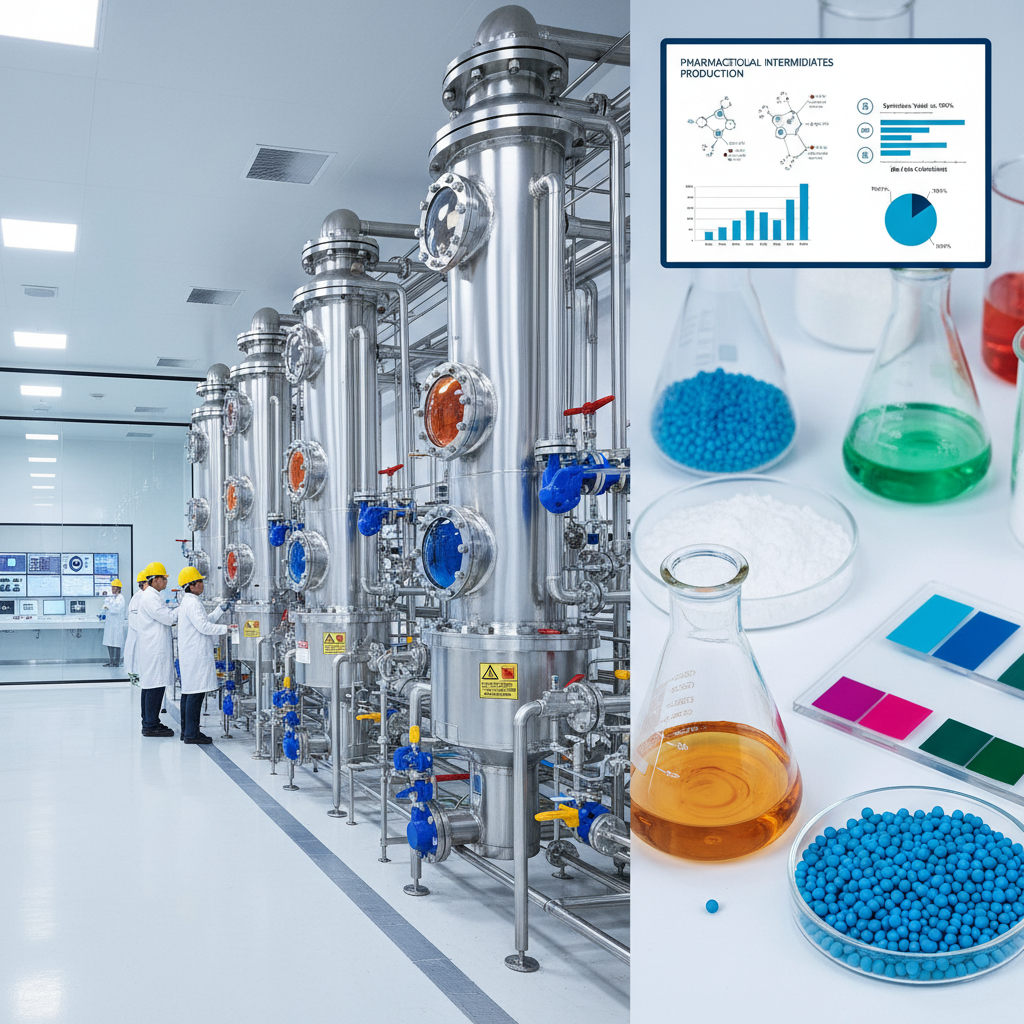
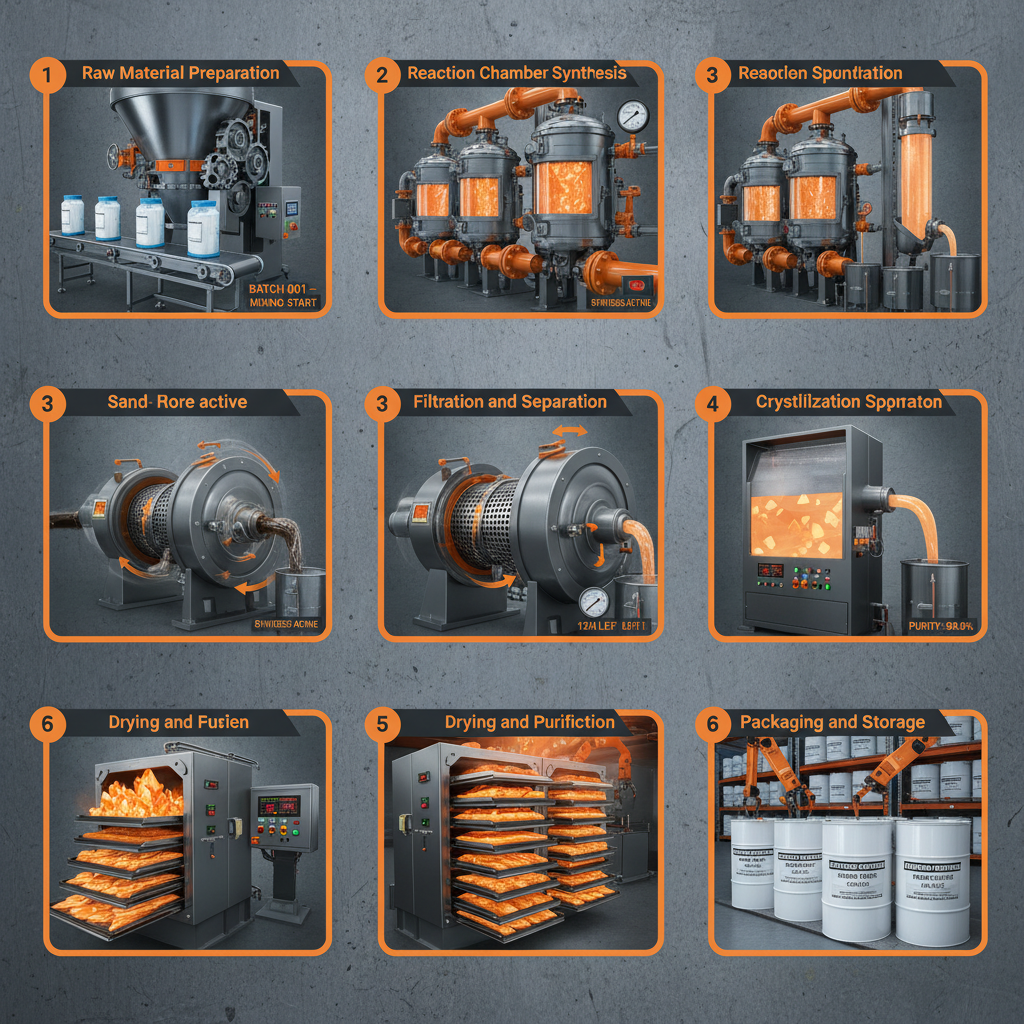
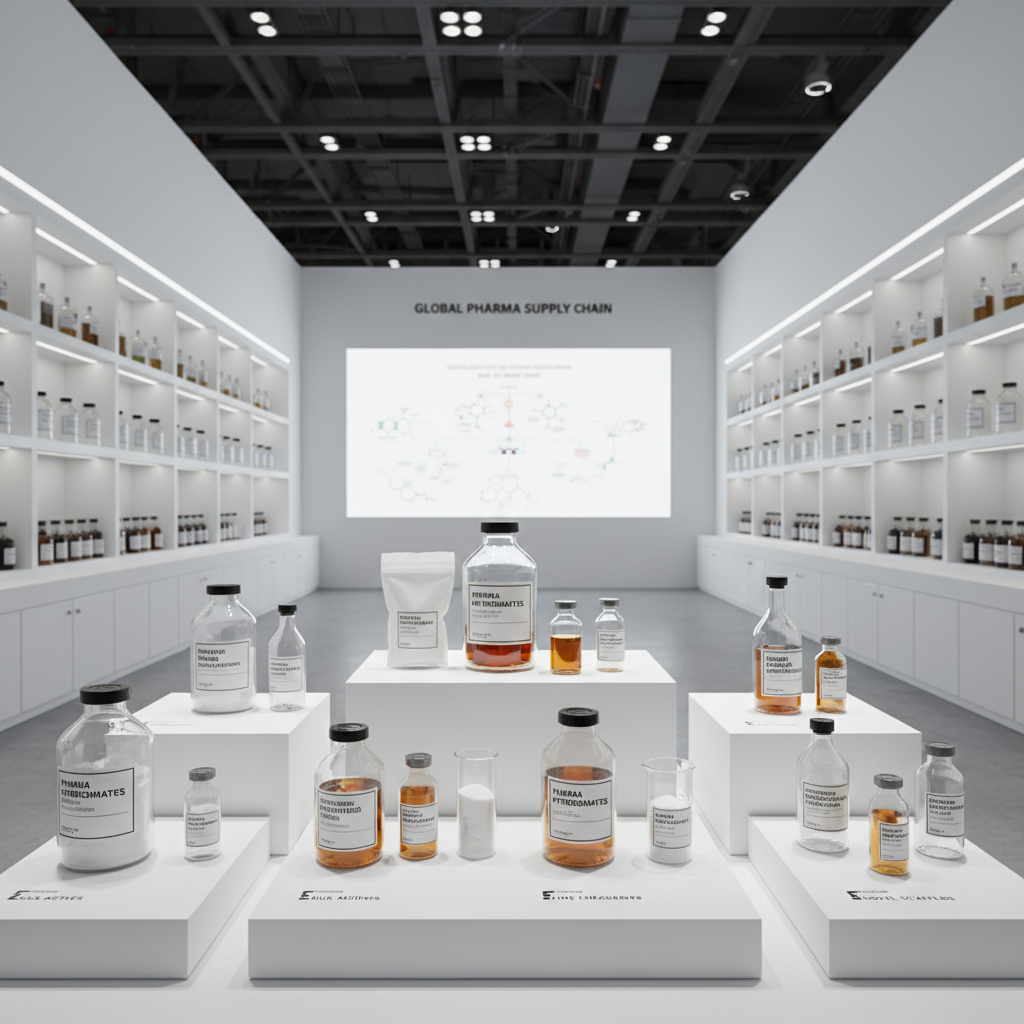
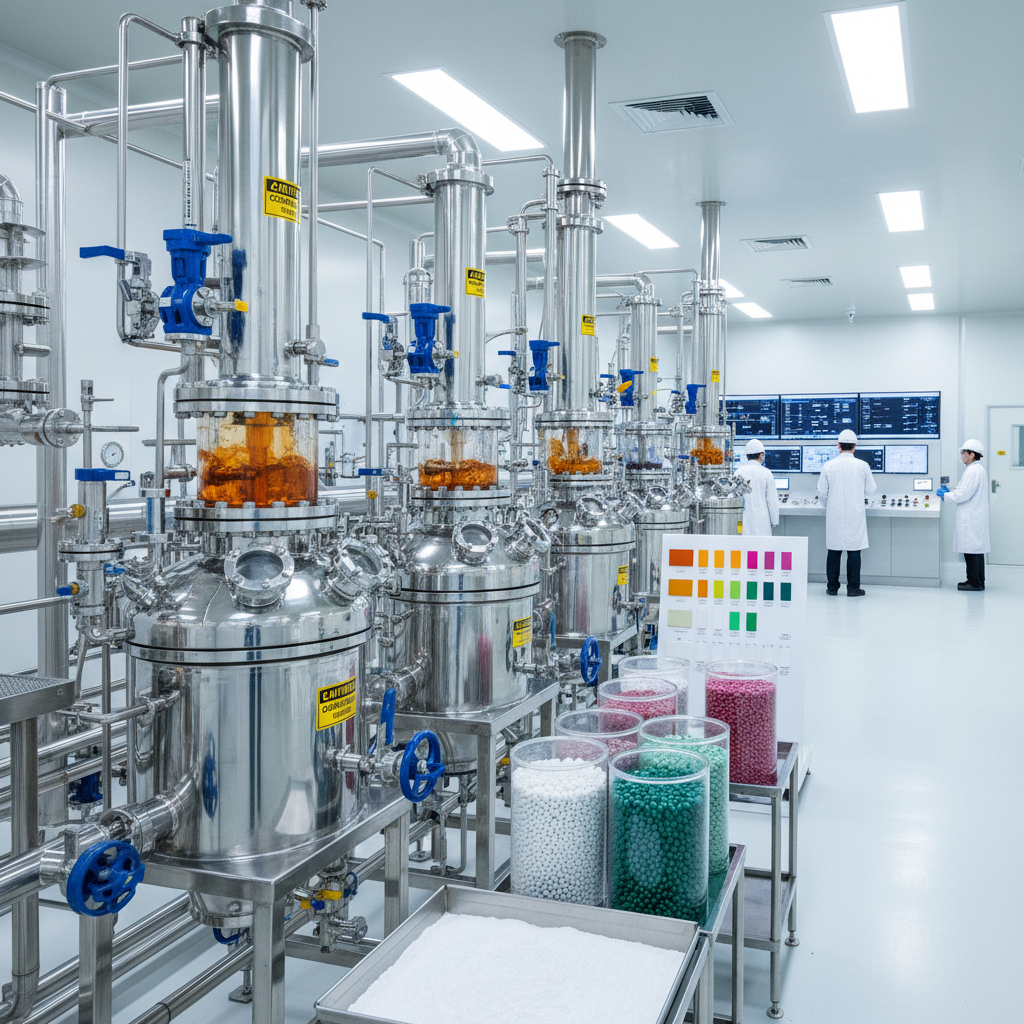
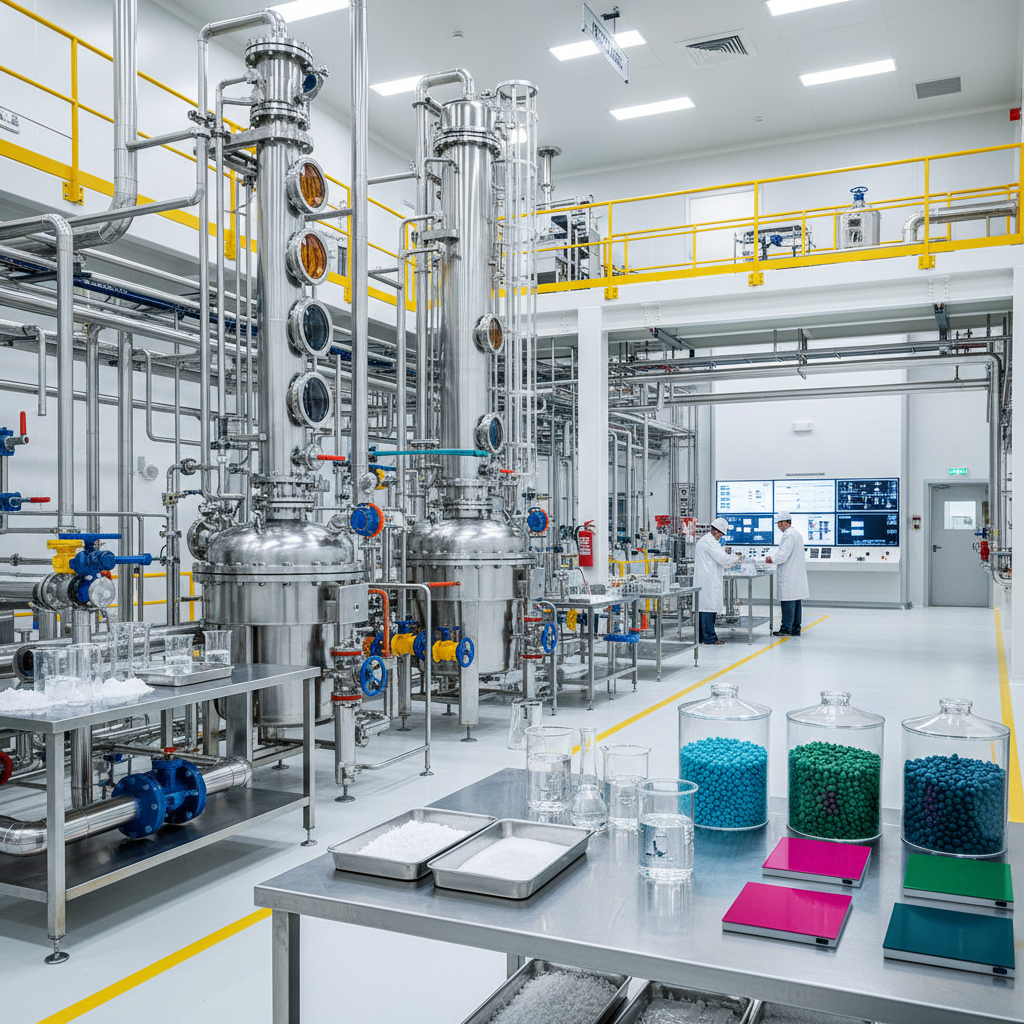
The pharmaceutical industry relies heavily on complex chemical syntheses, and at the heart of these processes lie intermediate product in pharmaceutical industry. These compounds, formed during various stages of drug manufacturing, are crucial building blocks that dictate the quality, efficacy, and cost-effectiveness of final pharmaceutical products. Understanding the nuances of their production, handling, and quality control is paramount for maintaining drug safety and supply chain integrity.
Globally, the demand for pharmaceuticals continues to rise, driven by an aging population, increased prevalence of chronic diseases, and expanding access to healthcare in emerging markets. This escalating demand directly impacts the need for high-quality intermediate product in pharmaceutical industry, creating a multi-billion dollar market. Countries like China and India have become major hubs for their production, serving both domestic needs and global exports, however, stringent regulatory standards and the need for sustainable manufacturing practices are becoming increasingly critical.
The significance of intermediate product in pharmaceutical industry extends beyond mere chemical building blocks; they are the linchpin connecting research and development to commercial production. Efficient and reliable production of these intermediates can significantly shorten drug development timelines and reduce overall manufacturing costs, ultimately making essential medicines more accessible to patients worldwide. This makes continuous innovation and optimization in this area vital.
The Role of Intermediate Product in Pharmaceutical Industry
Intermediate products serve as the critical link between raw materials and Active Pharmaceutical Ingredients (APIs). They are not the final drug substance but undergo further chemical transformations to achieve the desired therapeutic effect. The quality and purity of these intermediates significantly impact the efficiency and safety of the entire pharmaceutical manufacturing process. intermediate product in pharmaceutical industry quality is paramount.
Managing the complexities of intermediate production requires specialized expertise in organic chemistry, process development, and analytical techniques. Furthermore, adherence to stringent Good Manufacturing Practice (GMP) guidelines is essential to ensure consistent quality and regulatory compliance, paving the way for successful drug product launch.
Global Relevance and Industry Context
The global pharmaceutical market is a trillion-dollar industry, with substantial growth projected in the coming decades. This expansion is intrinsically linked to the production and availability of high-quality intermediate product in pharmaceutical industry. According to the World Health Organization, access to essential medicines remains a significant challenge in many parts of the world, and efficient intermediate production plays a crucial role in addressing this disparity.
The COVID-19 pandemic highlighted the vulnerabilities of global supply chains, especially concerning pharmaceutical ingredients. This prompted increased investment in diversifying sourcing and strengthening domestic manufacturing capabilities for intermediates, leading to a shift towards regionalized production hubs. The UN Sustainable Development Goals (SDGs), particularly SDG 3 (Good Health and Well-being), underscore the importance of affordable and accessible medicines, making the efficient production of intermediates a critical global concern.
Geopolitical factors and evolving trade regulations also play a significant role. Ensuring a stable and reliable supply of intermediate product in pharmaceutical industry requires careful consideration of these dynamics, including risk assessment and the establishment of robust partnerships with reputable suppliers.
Defining Intermediate Product in Pharmaceutical Industry
An intermediate product in pharmaceutical industry is a chemical compound formed during the synthesis of an API, but is not itself a pharmaceutically active substance. It’s a stepping stone, requiring further processing—such as reactions, purification, and crystallization—before it can become the final drug ingredient. These compounds exist in a complex multi-step chemical process and can vary greatly in structure and complexity.
The connection to modern industry and humanitarian needs is direct. The availability of affordable and high-quality intermediates is fundamental to producing cost-effective medicines. This is particularly vital in addressing global health challenges such as HIV/AIDS, tuberculosis, and malaria, where access to treatment is often limited by economic constraints. Addressing these challenges necessitates streamlined intermediate manufacturing processes and a commitment to ethical sourcing.
In essence, intermediate product in pharmaceutical industry isn't just about chemistry; it's about enabling healthcare, improving lives, and ensuring equitable access to vital medications across the globe.
The meticulous control and characterization of these intermediates are not merely procedural requirements but are intrinsically linked to the safety and efficacy of the final pharmaceutical product.
Key Factors in Intermediate Production
Successful intermediate product in pharmaceutical industry production hinges on several key factors. Firstly, Purity and Quality Control are paramount. Intermediates must meet stringent specifications to prevent the introduction of impurities that could compromise the API's safety and efficacy. Advanced analytical techniques, such as HPLC and mass spectrometry, are crucial for ensuring quality.
Secondly, Cost Efficiency is vital for maintaining competitive pricing. Optimizing synthetic routes, utilizing readily available raw materials, and streamlining manufacturing processes are essential. Thirdly, Scalability is critical for meeting fluctuating market demands. The process must be adaptable to produce both small batches for clinical trials and large-scale quantities for commercial production.
Intermediate Production Efficiency - Key Metrics
Global Applications and Use Cases
Intermediate product in pharmaceutical industry are utilized across a vast spectrum of therapeutic areas. From cardiovascular medications and antibiotics to oncology drugs and antivirals, these compounds are essential components in the manufacturing of a diverse range of pharmaceuticals. The demand is particularly high for intermediates used in the production of generic drugs, which are crucial for ensuring affordable healthcare access globally.
Regions with significant pharmaceutical manufacturing capacity, such as India, China, and Europe, represent major hubs for intermediate production and consumption. However, applications extend far beyond these areas. In remote industrial zones and emerging economies, local production of intermediates can create employment opportunities and strengthen pharmaceutical self-sufficiency. In post-disaster relief operations, the rapid production of essential medicines relies heavily on readily available intermediates.
Advantages and Long-Term Value
The benefits of optimizing intermediate product in pharmaceutical industry processes are multifaceted. Tangible advantages include reduced manufacturing costs, improved product yields, and shorter production timelines. These efficiencies translate to lower drug prices, making medicines more accessible to patients worldwide. Sustainability is another key benefit, as optimized processes can minimize waste generation and reduce environmental impact.
The long-term value extends beyond economic gains. Reliable access to high-quality intermediates fosters trust within the pharmaceutical supply chain, enhancing patient safety and strengthening the overall healthcare system. Continuous innovation in intermediate production drives pharmaceutical advancement, paving the way for the development of novel therapies and improved treatment outcomes.
Future Trends and Innovations
The future of intermediate product in pharmaceutical industry is being shaped by several emerging trends. Continuous manufacturing, a shift from traditional batch processing, offers the potential for increased efficiency, reduced waste, and improved quality control. Green chemistry principles are gaining prominence, driving the development of more sustainable and environmentally friendly synthetic routes.
Digital transformation, including the implementation of artificial intelligence (AI) and machine learning (ML), is revolutionizing process optimization and predictive maintenance. Automation and robotics are also playing an increasingly important role in streamlining manufacturing operations and reducing human error. These innovations will collectively contribute to a more resilient, sustainable, and efficient pharmaceutical supply chain.
Challenges and Solutions
Despite advancements, several challenges persist in intermediate product in pharmaceutical industry. Complex synthetic routes, impurity control, and the need for specialized equipment can pose significant hurdles. Regulatory scrutiny and the increasing demand for transparency also add to the complexity.
However, innovative solutions are emerging. Flow chemistry offers improved control over reaction parameters and enhanced safety. Biocatalysis, utilizing enzymes as catalysts, provides a sustainable alternative to traditional chemical methods. Robust data management systems and advanced analytical techniques are crucial for ensuring quality and compliance. Collaboration between industry, academia, and regulatory agencies is essential for addressing these challenges and driving continuous improvement.
Furthermore, investing in workforce development and training is critical for equipping the next generation of pharmaceutical scientists and engineers with the skills needed to navigate the evolving landscape of intermediate production.
Summary of Key Challenges and Solutions in Intermediate Production
| Challenge |
Impact on Production |
Proposed Solution |
Implementation Timeline |
| Complex Synthetic Routes |
Low yields, high costs, long lead times |
Flow Chemistry, Route Optimization |
6-12 months |
| Impurity Control |
Compromised API quality, regulatory hurdles |
Advanced Analytical Techniques, Process Analytical Technology (PAT) |
3-6 months |
| Scalability Issues |
Difficulty transitioning from lab to commercial scale |
Process Modeling, Pilot Plant Studies |
9-18 months |
| Regulatory Compliance |
Increased costs, potential delays |
GMP Audits, Robust Documentation |
Ongoing |
| Supply Chain Vulnerabilities |
Disruptions, price fluctuations |
Diversified Sourcing, Strategic Partnerships |
12-24 months |
| Lack of Skilled Workforce |
Reduced innovation, operational inefficiencies |
Training Programs, University Collaborations |
Ongoing |
FAQS
APIs (Active Pharmaceutical Ingredients) are the biologically active components of a drug, responsible for its therapeutic effect. Intermediate products, however, are chemical compounds formed during the multi-step synthesis of an API but lack intrinsic pharmacological activity. They are essentially building blocks that require further processing to become the final drug substance. Understanding this distinction is crucial for regulatory compliance and quality control within pharmaceutical manufacturing.
Good Manufacturing Practice (GMP) compliance is essential for ensuring the quality, safety, and consistency of intermediate product in pharmaceutical industry. GMP guidelines dictate stringent requirements for facility design, equipment validation, personnel training, and documentation. Adhering to these regulations minimizes the risk of contamination, errors, and deviations, ultimately safeguarding the integrity of the final pharmaceutical product.
Scaling up from laboratory-scale synthesis to commercial production often presents significant challenges. Issues such as heat transfer, mixing efficiency, and reagent stability can become more pronounced at larger volumes. Ensuring consistent product quality, maintaining safety protocols, and optimizing process parameters are critical for successful scale-up. Pilot plant studies and process modeling are valuable tools for mitigating these risks.
Green chemistry focuses on designing chemical processes that minimize environmental impact. This can be achieved through several strategies, including utilizing renewable feedstocks, employing safer solvents, reducing waste generation, and developing more energy-efficient reactions. Implementing green chemistry principles in intermediate product in pharmaceutical industry production leads to more sustainable and environmentally responsible manufacturing practices.
Process Analytical Technology (PAT) involves the real-time monitoring and control of critical process parameters during manufacturing. By using sensors and analytical instruments, PAT allows for immediate adjustments to optimize process conditions and ensure consistent product quality. This approach reduces the reliance on end-product testing, minimizes waste, and enhances process understanding.
Global events, such as geopolitical instability and natural disasters, can significantly disrupt the supply chain of intermediate product in pharmaceutical industry. This can lead to shortages, price increases, and delays in drug manufacturing. Mitigation strategies include diversifying sourcing, building strategic partnerships with multiple suppliers, and maintaining adequate safety stock levels.
Conclusion
In conclusion, intermediate product in pharmaceutical industry form the cornerstone of modern drug manufacturing. Their quality, cost-effectiveness, and reliable supply are paramount for ensuring access to essential medicines worldwide. By embracing innovation, prioritizing sustainability, and fostering collaboration, the pharmaceutical industry can overcome the challenges and unlock the full potential of intermediate production.
Looking ahead, continued investment in advanced technologies, skilled workforce development, and robust regulatory frameworks will be crucial for shaping the future of this vital sector. Visit our website at www.kxdchem.com to learn more about how we can support your intermediate product needs.