

Understanding API Abbreviation in the Pharma Industry
In the complex world of pharmaceuticals, abbreviations are ubiquitous. Among them, ‘API’ stands as a cornerstone term. But what does API actually mean, and why is it crucial to understand this API abbreviation in the pharma industry? This article dives deep into the meaning of API, its significance, manufacturing processes, quality control, and the future trends shaping its landscape. We'll explore its role in drug development and the importance of sourcing high-quality APIs from reputable suppliers like KXDChem.
What Does API Stand For?
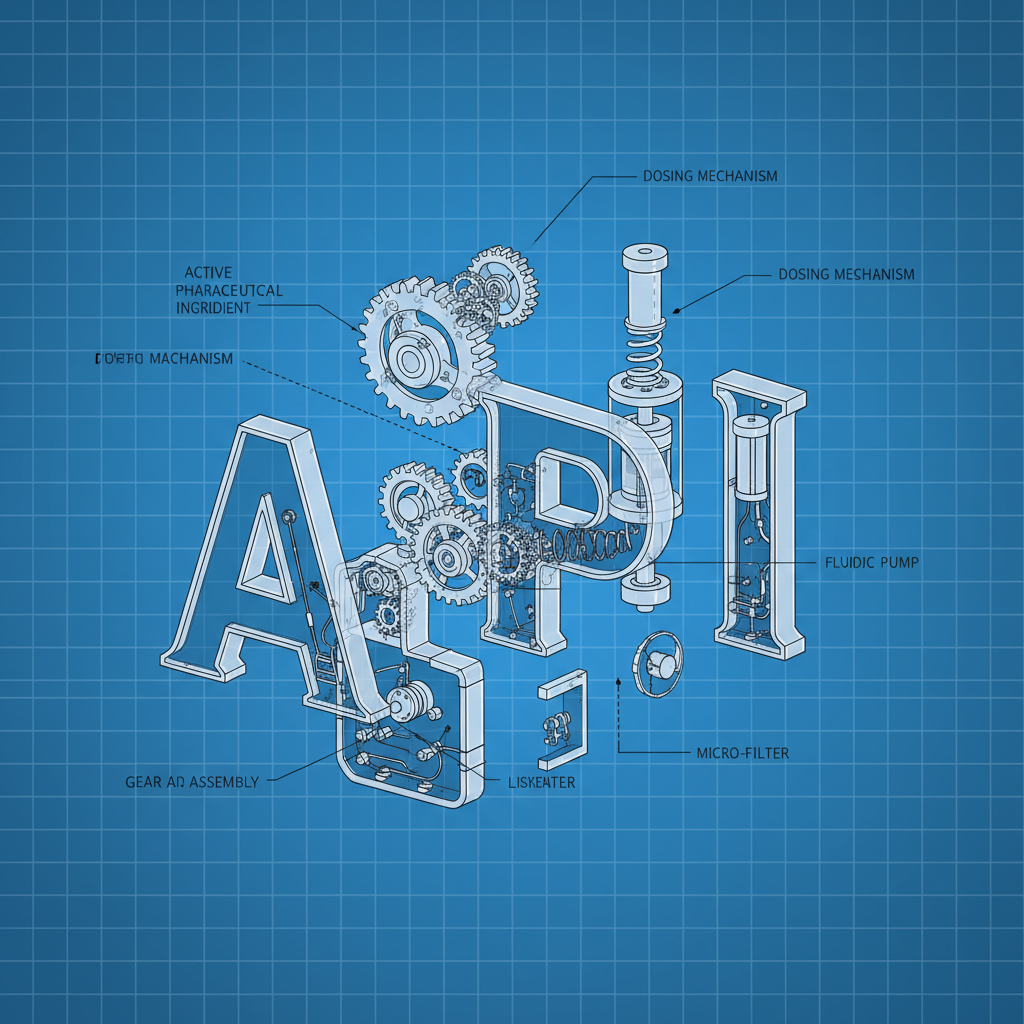
API stands for Active Pharmaceutical Ingredient. This is the part of a drug that produces its intended effects. Simply put, it's the biologically active component in a medicinal product. The API is what actually fights the illness or provides the therapeutic benefit. Unlike excipients, which are inactive substances that serve as a vehicle for delivering the API, the API is the key driver of a drug’s efficacy. Understanding this distinction is critical for anyone involved in pharmaceutical development, manufacturing, or regulation. The quality and purity of the API directly impact the safety and effectiveness of the final drug product.
Key Takeaway: The API is the component of a drug that directly affects the body and causes a biological change.
The API Manufacturing Process
Manufacturing an API is a highly complex and regulated process. It typically involves multiple stages, including chemical synthesis, fermentation, or extraction from natural sources. These processes are meticulously controlled to ensure purity, potency, and consistency. The process often begins with starting materials, which are then transformed through a series of chemical reactions. Rigorous quality control measures are implemented at each stage to identify and eliminate impurities. Companies like KXDChem specialize in delivering high-quality APIs through optimized manufacturing processes.
API Manufacturing Stages:
• Chemical Synthesis
• Fermentation
• Extraction from Natural Sources
• Purification & Isolation
• Drying & Milling
API Quality Control: Ensuring Purity and Safety
Quality control is paramount in API manufacturing. Stringent testing is performed throughout the entire process to ensure the API meets strict regulatory standards. Techniques like High-Performance Liquid Chromatography (HPLC), Gas Chromatography (GC), and Mass Spectrometry (MS) are used to identify and quantify impurities. Furthermore, tests are conducted to verify the API’s identity, potency, and physical characteristics. Adherence to Good Manufacturing Practices (GMP) is essential. Without robust quality control, the safety and efficacy of the final drug product could be compromised. KXDChem prioritizes quality control through state-of-the-art analytical facilities.
API Sourcing and the Importance of Reliable Suppliers
The source of your API is as important as the API itself. Partnering with a reputable and reliable supplier is crucial to ensure consistent quality, supply chain security, and compliance with regulatory requirements. Factors to consider when selecting an API supplier include their GMP certification, quality control systems, manufacturing capabilities, and track record. KXDChem is a trusted supplier known for its commitment to quality and customer satisfaction.
Future Trends in API Manufacturing
The API manufacturing landscape is constantly evolving. Key trends include the adoption of continuous manufacturing processes, the increasing use of biocatalysis and flow chemistry, and a growing focus on sustainability. Continuous manufacturing offers improved efficiency and quality control, while biocatalysis utilizes enzymes to catalyze chemical reactions, often resulting in greener and more selective processes. Furthermore, companies are investing in technologies to reduce waste and minimize environmental impact. These advancements promise to deliver more cost-effective and sustainable API production methods.
Conclusion: The Critical Role of APIs
The API is the heart of any pharmaceutical product, and its quality directly impacts patient health. Understanding the manufacturing process, quality control measures, and the importance of reliable sourcing is crucial for success in the pharma industry. Companies like KXDChem are committed to providing high-quality APIs to meet the evolving needs of the pharmaceutical market.
Frequently Asked Questions (FAQs)
What are the regulatory requirements for API manufacturing?
API manufacturing is heavily regulated by agencies like the FDA in the United States and the EMA in Europe. These regulations, primarily focused on Good Manufacturing Practices (GMP), cover all aspects of the manufacturing process, from raw material sourcing to quality control and documentation. Compliance with GMP ensures that APIs are consistently produced and controlled according to quality standards. Regular inspections and audits are conducted by regulatory authorities to verify compliance. Failure to meet these standards can result in warning letters, product recalls, or even plant closures.
What is the difference between a generic API and an innovator API?
An innovator API is the original, patented API developed by a pharmaceutical company. Generic APIs are chemically identical copies of the innovator API, manufactured after the patent has expired. While chemically the same, the manufacturing process and excipients used in the final drug product can differ between innovator and generic versions. Generic APIs are typically less expensive than innovator APIs, offering cost savings to patients and healthcare systems. However, ensuring bioequivalence (that the generic drug delivers the same amount of API to the bloodstream) is crucial for regulatory approval.
How can companies ensure supply chain security for their APIs?
Supply chain security is a growing concern in the pharmaceutical industry. Companies can mitigate risks by diversifying their API suppliers, conducting thorough due diligence on suppliers (including audits of their manufacturing facilities and quality control systems), and implementing robust traceability systems. Utilizing qualified suppliers like KXDChem, with a proven track record, is vital. Transparency throughout the supply chain and proactive risk management are key to ensuring a reliable and secure supply of APIs.
What role does sustainability play in API manufacturing?
Sustainability is becoming increasingly important in API manufacturing. This includes minimizing waste generation, reducing energy consumption, and using environmentally friendly solvents and reagents. Green chemistry principles are being adopted to develop more sustainable manufacturing processes. Companies are also exploring the use of renewable resources and implementing circular economy models. Sustainable API manufacturing not only reduces environmental impact but can also lead to cost savings and improved efficiency.