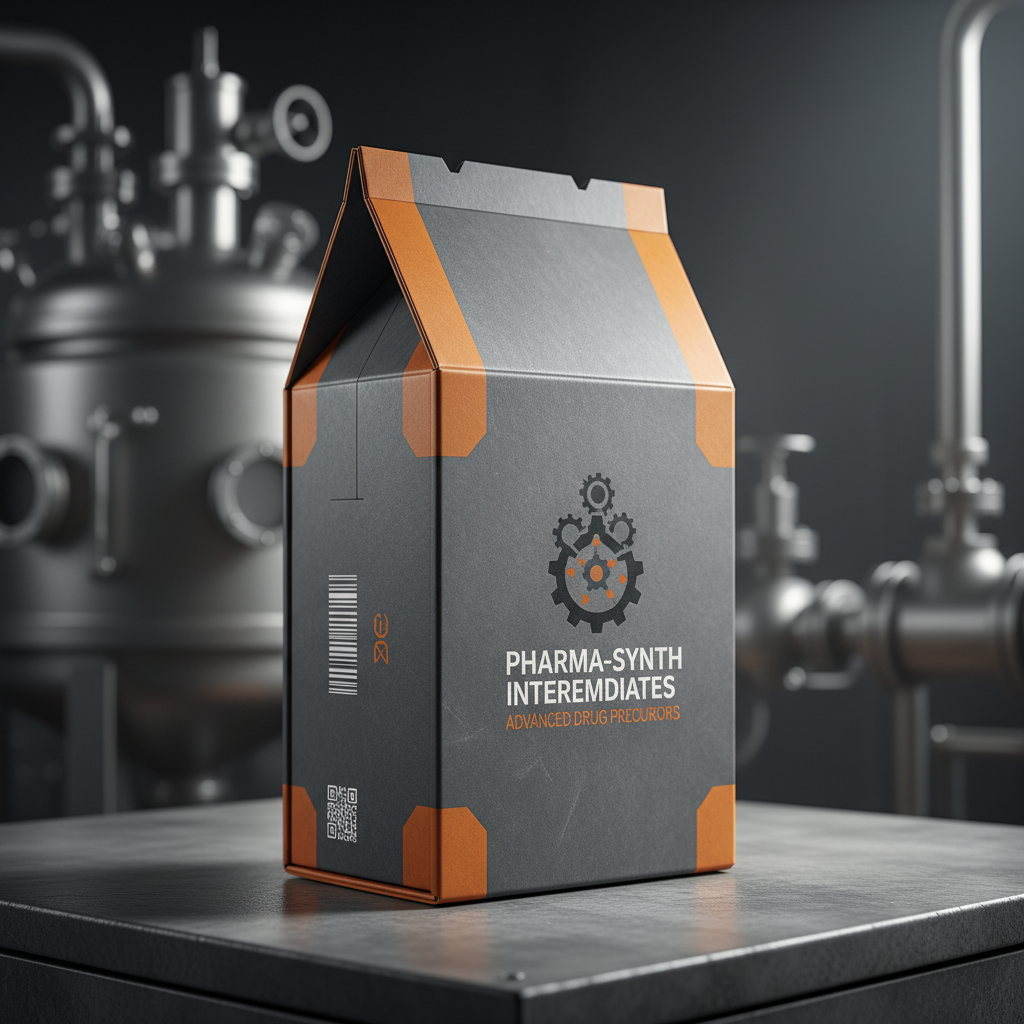
Pharmaceutical intermediates are the building blocks of active pharmaceutical ingredients (APIs), the compounds responsible for the therapeutic effects of medications. These crucial components undergo further chemical transformations to become the final drug product. The global pharmaceutical industry relies heavily on a robust supply of high-quality pharmaceutical intermediates, making their production and sourcing a critical aspect of drug development and manufacturing. Understanding these intermediates is vital for ensuring drug efficacy, safety, and affordability.
The demand for pharmaceutical intermediates is intrinsically linked to the growth of the pharmaceutical industry, driven by factors such as an aging global population, increasing prevalence of chronic diseases, and ongoing advancements in medical research. This translates into a multi-billion dollar market, with significant economic implications for both developed and developing nations. The sourcing of these compounds is often complex, involving intricate supply chains and stringent regulatory oversight.
Investing in the development and optimization of pharmaceutical intermediate processes is not simply a business imperative; it is a humanitarian one. Access to affordable medications hinges on efficient and reliable intermediate production. Consequently, continuous innovation in this field is essential for improving global health outcomes and fostering a sustainable pharmaceutical ecosystem. A prime example of specialized production can be found at pharmaceutical intermediates example.
The Global Significance of Pharmaceutical Intermediates
The pharmaceutical intermediates market is a substantial component of the global chemical industry, estimated to be worth over $100 billion USD annually (source: Statista, 2023). This figure is anticipated to grow steadily in the coming years, driven by increased demand for generic drugs and the continuous development of novel therapeutics. China and India are currently the dominant players in intermediate manufacturing, accounting for a significant portion of global production.
The importance of a secure and reliable supply chain for pharmaceutical intermediates became acutely apparent during the COVID-19 pandemic. Disruptions in manufacturing and logistical networks led to shortages of critical APIs and, consequently, finished drug products. This underscored the need for diversification of sourcing and the development of resilient supply chains to mitigate future risks. A good example of reliable sourcing can be found with specialized providers like pharmaceutical intermediates example.
Defining Pharmaceutical Intermediates
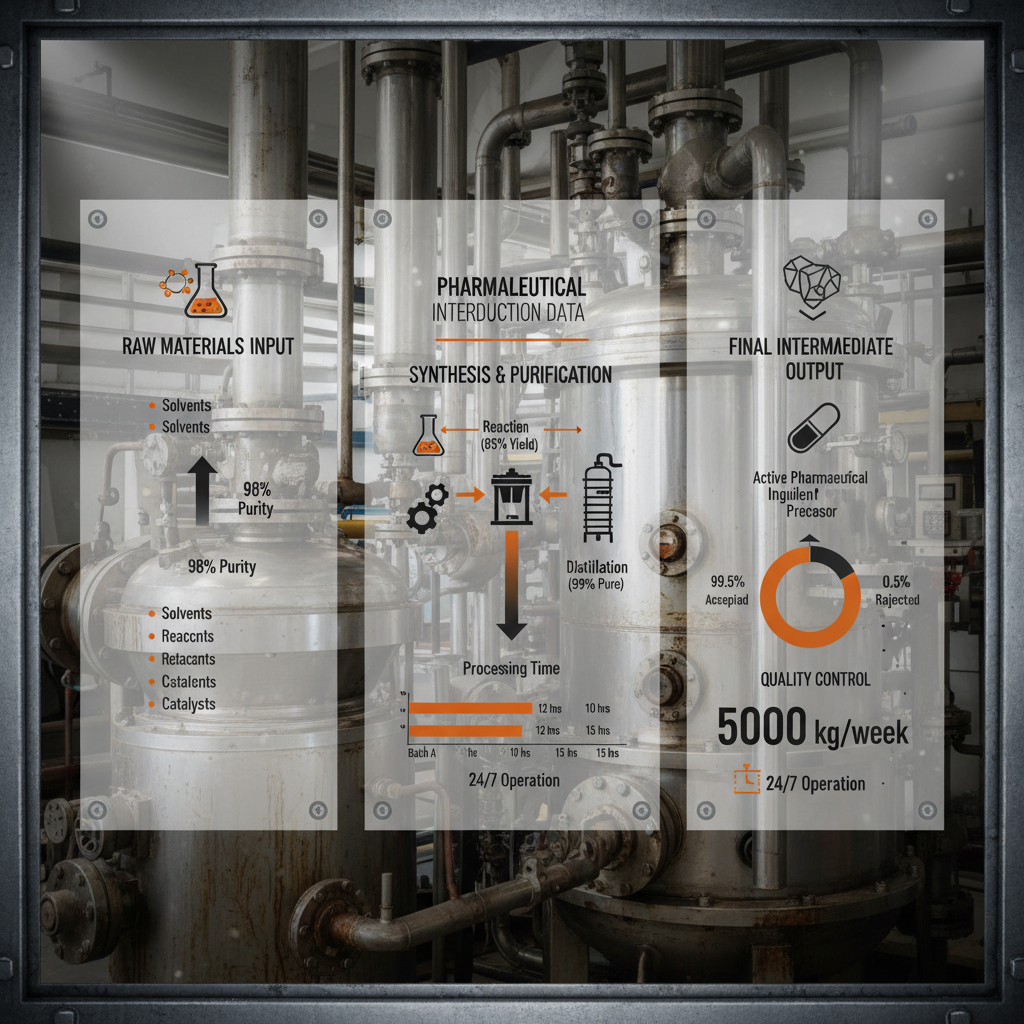
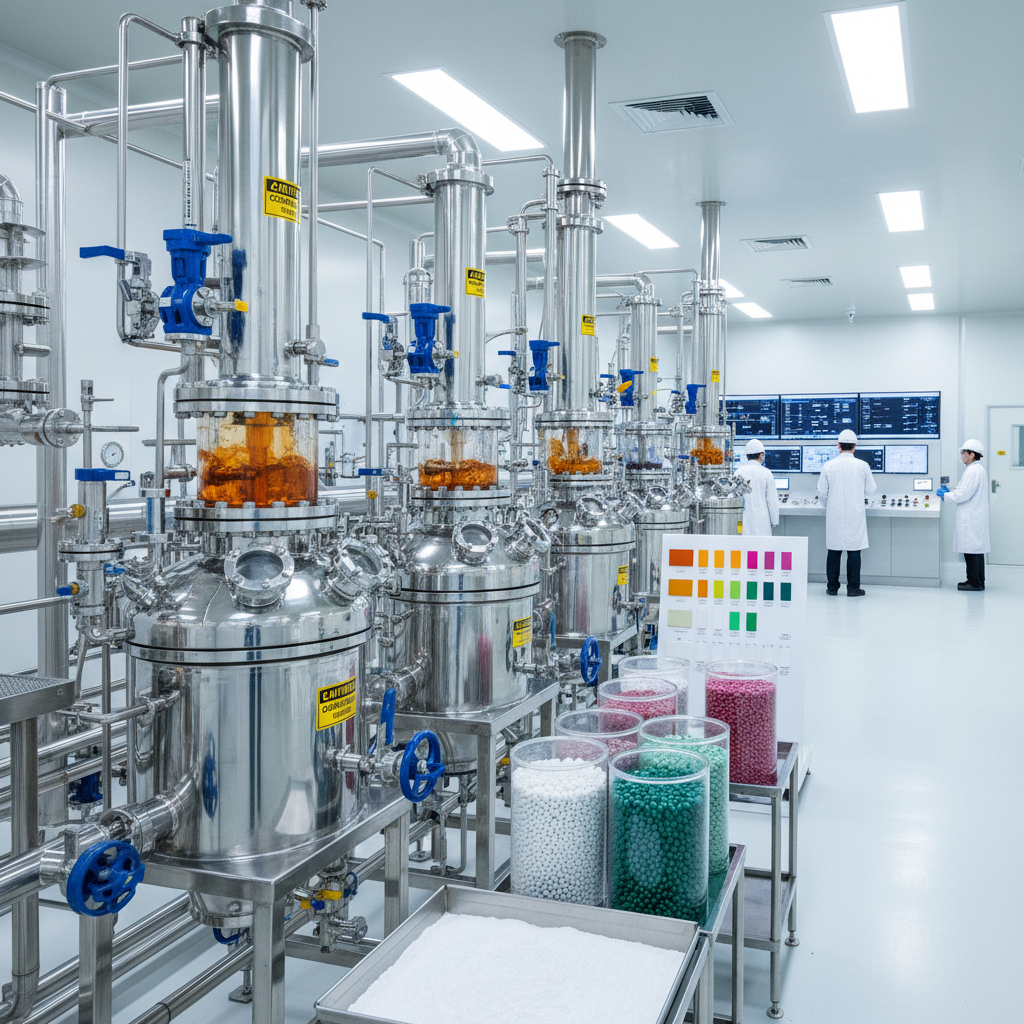
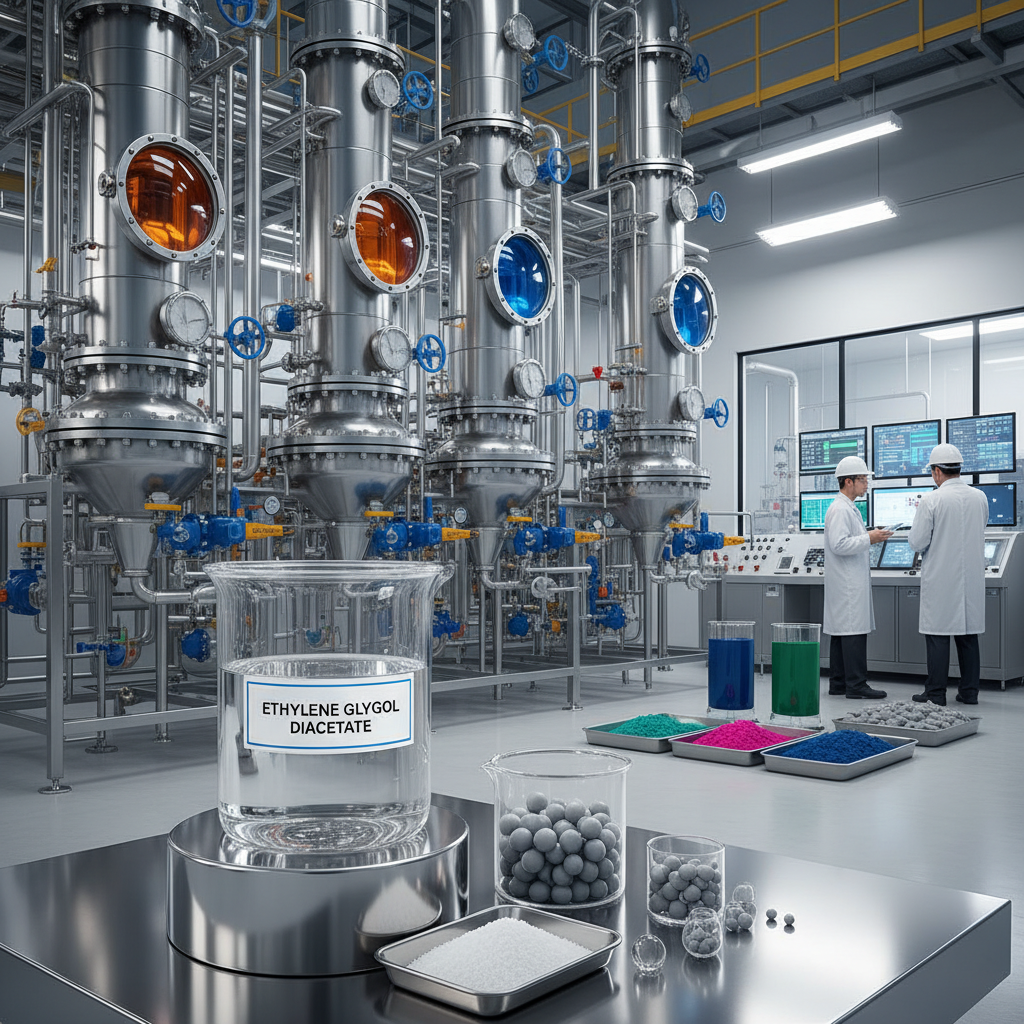
Pharmaceutical intermediates are chemical compounds formed during the synthesis of an API. They are not the final drug substance but are essential precursors in the multi-step manufacturing process. These compounds are typically produced through a series of chemical reactions, often involving specialized techniques and equipment. They are subject to rigorous quality control measures to ensure purity and consistency.
The definition of a pharmaceutical intermediate is often dictated by regulatory bodies like the FDA and EMA. These agencies require manufacturers to demonstrate that intermediates meet specific quality standards and are free from harmful contaminants. The entire manufacturing process, from raw materials to final API, must be meticulously documented and validated.
The connection to modern industry and humanitarian needs is direct. Without consistent, high-quality intermediates, the production of life-saving medications would be impossible. This underscores the ethical and economic significance of investing in this sector, and why companies like pharmaceutical intermediates example play a critical role.
Key Factors in Intermediate Production
Several key factors influence the success and efficiency of pharmaceutical intermediate production. Purity is paramount, as impurities can impact the safety and efficacy of the final drug product. Stringent analytical testing and purification techniques are essential to meet regulatory requirements. Yield is another crucial consideration; maximizing the yield of each reaction step minimizes waste and reduces production costs.
Scalability is vital for transitioning from laboratory-scale synthesis to commercial production. Processes must be readily adaptable to larger batch sizes without compromising quality or safety. Cost-efficiency is also a significant factor, particularly in the generic drug market. Optimizing reaction conditions and sourcing raw materials strategically can help reduce production costs.
Finally, Sustainability is increasingly important, with growing pressure to adopt greener chemistry principles and minimize environmental impact. This includes using environmentally friendly solvents, reducing waste generation, and optimizing energy consumption. These factors combine to impact the quality of a compound produced by a company like pharmaceutical intermediates example.
Global Applications and Use Cases
Pharmaceutical intermediates are utilized across a wide range of therapeutic areas, including cardiovascular disease, oncology, infectious diseases, and central nervous system disorders. Their application extends to both small molecule drugs and increasingly, complex biologics. The need for these compounds is truly global, with demand stemming from both developed and emerging markets.
In India, the pharmaceutical industry leverages locally produced intermediates to manufacture affordable generic medications for domestic consumption and export. In Europe and North America, intermediates are often sourced from Asia but are subject to rigorous quality control and regulatory scrutiny. Post-disaster relief operations also rely on a steady supply of essential medicines, requiring efficient intermediate production.
Organizations like the World Health Organization (WHO) actively work to ensure access to essential medicines in developing countries, highlighting the importance of affordable and reliable intermediate sources. Companies specializing in custom synthesis and contract manufacturing, such as pharmaceutical intermediates example, play a vital role in supporting the diverse needs of the pharmaceutical industry.
Intermediate Production Efficiency Comparison
Advantages and Long-Term Value
The benefits of a robust pharmaceutical intermediate supply chain are multifaceted. Cost savings are significant, as efficient production processes and strategic sourcing can reduce the overall cost of drug manufacturing. Sustainability is increasingly valued, with companies adopting greener chemistry principles to minimize environmental impact.
Perhaps most importantly, access to high-quality intermediates translates into improved patient safety and enhanced drug efficacy. This builds trust in the pharmaceutical industry and contributes to better health outcomes globally. Investing in this sector is, therefore, an investment in public health.
Future Trends and Innovations
Several emerging trends are shaping the future of pharmaceutical intermediate production. Continuous manufacturing offers the potential to improve efficiency, reduce waste, and enhance quality control. Digitalization and automation are also gaining traction, enabling real-time monitoring, process optimization, and predictive maintenance.
The adoption of green chemistry principles, such as the use of biocatalysts and renewable feedstocks, is becoming increasingly important. These innovations will drive down costs, improve sustainability, and ultimately contribute to a more resilient and responsible pharmaceutical industry.
Challenges and Solutions
Despite the advancements in pharmaceutical intermediate production, several challenges remain. Supply chain vulnerabilities, as highlighted by the COVID-19 pandemic, necessitate diversification of sourcing and the development of redundant manufacturing capacity. Regulatory compliance is also a significant hurdle, requiring manufacturers to adhere to stringent quality standards and documentation requirements.
Innovative solutions include investing in regional manufacturing hubs, implementing robust supply chain risk management strategies, and leveraging digital technologies to enhance traceability and transparency. Furthermore, fostering collaboration between pharmaceutical companies, intermediate manufacturers, and regulatory agencies is crucial for addressing these challenges effectively. pharmaceutical intermediates example can provide support.
Adopting advanced analytical techniques, such as process analytical technology (PAT), can also help optimize production processes and ensure consistent product quality.
A Summary of Strategies for Overcoming Challenges in Pharmaceutical Intermediate Production
| Challenge Area |
Proposed Solution |
Implementation Difficulty (1-10) |
Potential Impact (1-10) |
| Supply Chain Disruptions |
Diversification of Sourcing |
7 |
9 |
| Regulatory Compliance |
Enhanced Documentation & Auditing |
6 |
8 |
| Cost Pressure |
Process Optimization & Waste Reduction |
5 |
7 |
| Quality Control |
Implementation of PAT Systems |
8 |
10 |
| Sustainability Concerns |
Adoption of Green Chemistry Principles |
6 |
7 |
| Lack of Skilled Personnel |
Investment in Training and Development |
4 |
6 |
FAQS
Navigating regulatory requirements like GMP (Good Manufacturing Practice) is a substantial challenge. Strict documentation, validation procedures, and consistent adherence to quality standards are crucial. Regulatory bodies require meticulous traceability of all materials and processes, which can be complex and resource-intensive. Demonstrating process validation and impurity profiling are also key aspects of compliance. Maintaining up-to-date knowledge of evolving regulations is also essential.
Supply chain disruptions, whether due to geopolitical events, natural disasters, or logistical challenges, can severely impact the availability of crucial intermediates. This can lead to shortages of APIs and, ultimately, finished drug products. The recent pandemic highlighted this vulnerability, forcing companies to reassess their sourcing strategies and build more resilient supply chains. Diversification of suppliers and regional manufacturing are key mitigation strategies.
Process optimization is vital for reducing costs. This involves maximizing reaction yields, minimizing waste generation, and improving energy efficiency. Techniques like flow chemistry and continuous manufacturing can significantly enhance process control and reduce production costs. Careful selection of solvents and reagents, as well as optimization of reaction conditions, can also contribute to cost savings.
Green chemistry principles are being increasingly adopted to minimize the environmental impact of intermediate production. This includes using environmentally friendly solvents, such as water or ethanol, replacing hazardous reagents with safer alternatives, and minimizing waste generation. Biocatalysis, utilizing enzymes as catalysts, is another promising green chemistry approach. Companies are also investing in technologies to recover and recycle solvents.
CMOs offer several advantages, including access to specialized expertise, advanced manufacturing facilities, and economies of scale. They can reduce capital investment and accelerate time-to-market. CMOs can also provide flexibility and scalability, allowing pharmaceutical companies to quickly adjust production volumes based on demand. pharmaceutical intermediates example operates as a CMO.
Analytical testing is absolutely critical for ensuring the quality of pharmaceutical intermediates. Sophisticated techniques like HPLC, GC-MS, and NMR are used to determine purity, identify impurities, and confirm the chemical structure of intermediates. Rigorous testing throughout the manufacturing process helps to maintain consistent quality and meet regulatory requirements. Accurate analytical data is essential for process validation and quality control.
Conclusion
Pharmaceutical intermediates are the unsung heroes of the pharmaceutical industry, forming the essential foundation for countless life-saving medications. Their production demands a complex interplay of scientific expertise, rigorous quality control, and strategic supply chain management. The focus on sustainability, innovation, and regulatory compliance will continue to shape the future of this critical sector.
Looking ahead, increased investment in research and development, coupled with a commitment to green chemistry principles, will drive further advancements in intermediate production. Stronger collaborations between industry, academia, and regulatory agencies are also essential for addressing the challenges and ensuring a secure and reliable supply of these crucial building blocks for global health. To learn more about reliable sourcing of pharmaceutical intermediates, visit us at www.kxdchem.com.