

API Meaning Drug: A Comprehensive Overview
In the pharmaceutical and chemical industries, the term API is frequently encountered. It stands for Active Pharmaceutical Ingredient, and understanding its significance is crucial for anyone involved in drug development, manufacturing, or sourcing. This article delves into the meaning of API, its role in drug products, manufacturing considerations, quality control, and the services offered by KXD Chemical in API sourcing and supply. We’ll explore why choosing the right API supplier is paramount for successful pharmaceutical production.
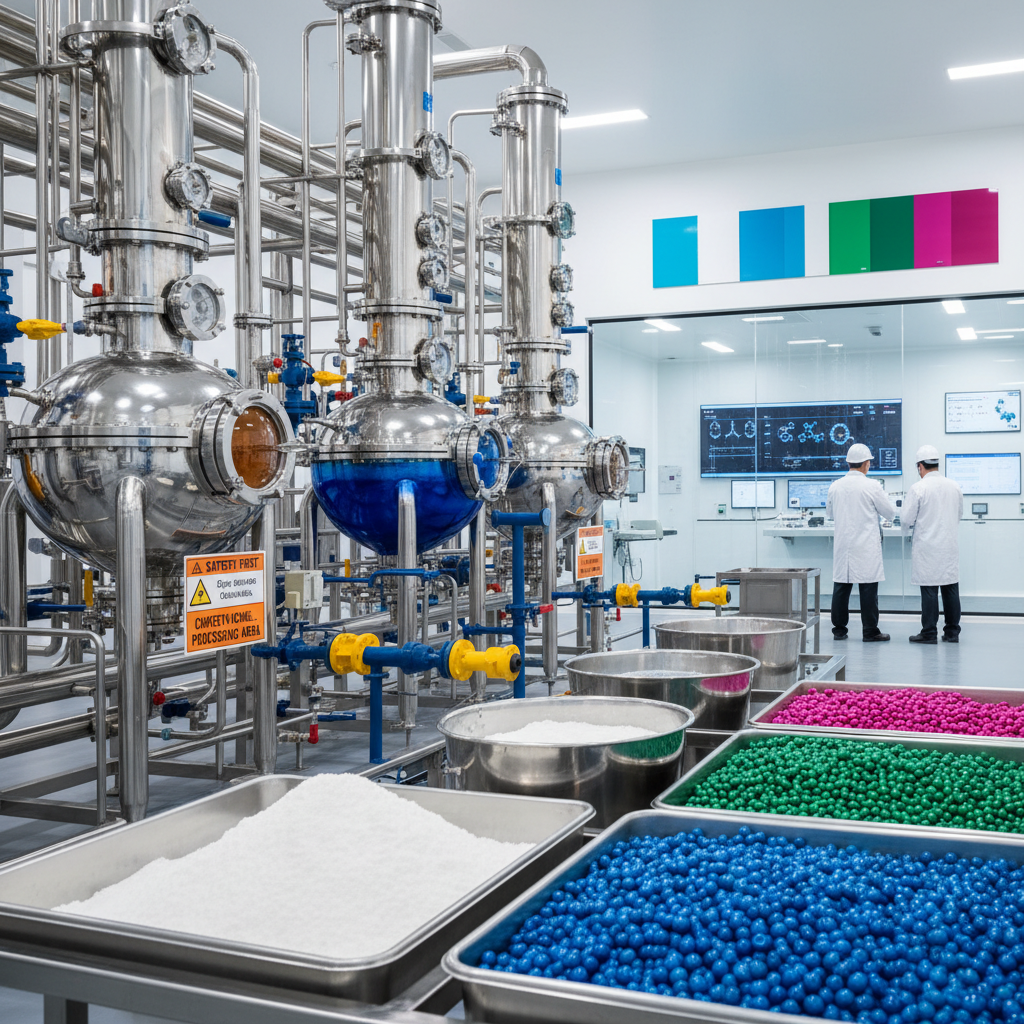
What Does API Mean? Defining the Active Pharmaceutical Ingredient
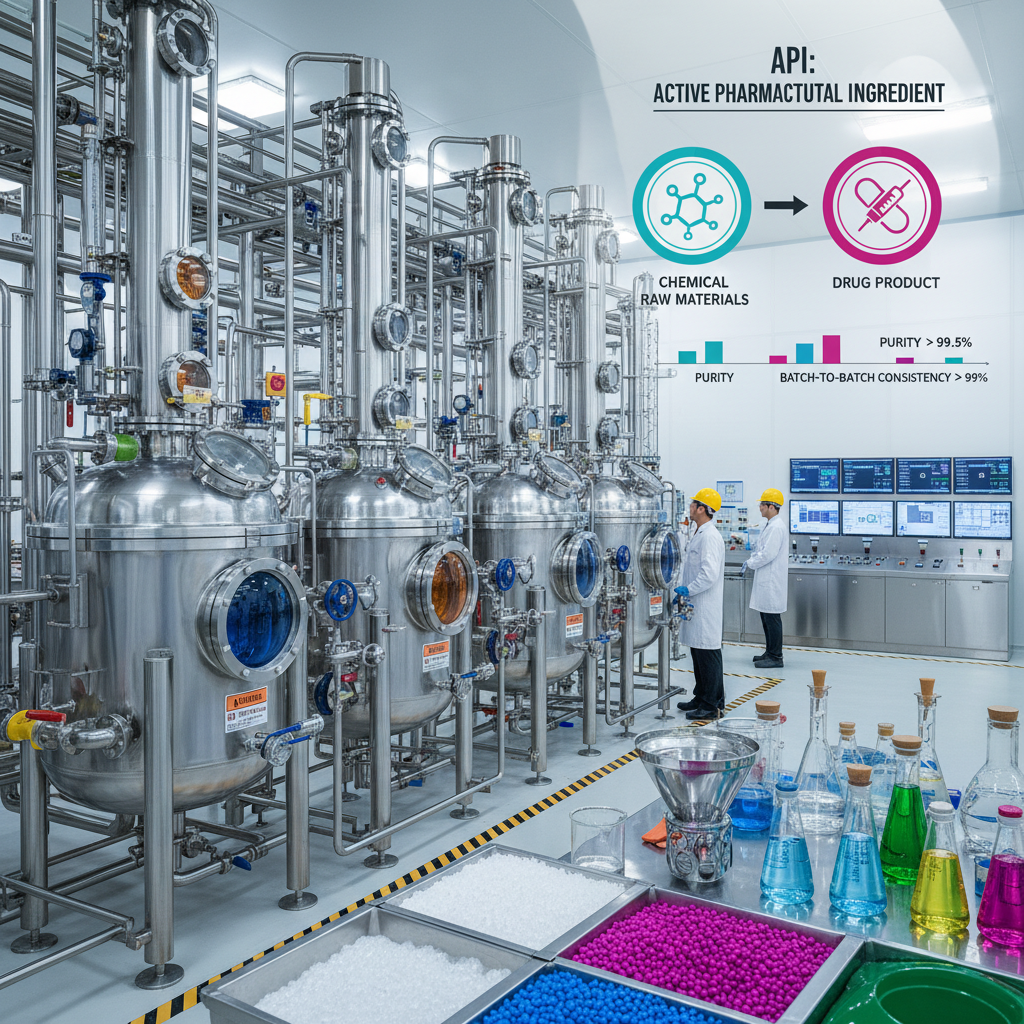
The API meaning is fundamentally the part of a drug that produces its intended effects. It’s the biologically active component responsible for the therapeutic action. Unlike excipients, which are inactive substances that serve as a vehicle for delivering the API, the API directly interacts with the body’s systems to achieve a desired outcome, be it alleviating symptoms, curing a disease, or preventing illness. The purity, potency, and consistency of the API directly impact the safety and efficacy of the final drug product. Without a high-quality API, even the best formulation cannot deliver the intended therapeutic benefit.
Key Takeaway: The API is the core ingredient that provides the therapeutic effect in a medication. Its quality is paramount.
API Manufacturing: A Complex Process
Manufacturing an API is a highly regulated and complex process. It typically involves multi-step chemical syntheses, fermentation, or extraction from natural sources. Each step requires meticulous control of reaction conditions, purification techniques, and quality checks to ensure the final API meets stringent specifications. Different APIs require vastly different manufacturing approaches depending on their chemical structure and desired purity. Factors like temperature, pressure, pH, and the choice of solvents all play a critical role in the outcome. Scaling up production from laboratory synthesis to commercial manufacturing also presents significant challenges, requiring careful optimization and process validation.
Manufacturing Considerations:
• Strict adherence to Good Manufacturing Practices (GMP)
• Rigorous process validation and control
• Management of impurities and by-products
• Scalability and cost-effectiveness
API Quality Control: Ensuring Purity and Potency
Quality control is paramount throughout the entire API lifecycle, from raw material sourcing to final product release. Extensive analytical testing is performed to verify the identity, purity, potency, and safety of the API. Common analytical techniques include High-Performance Liquid Chromatography (HPLC), Gas Chromatography (GC), Mass Spectrometry (MS), and Nuclear Magnetic Resonance (NMR). These tests help to identify and quantify any impurities, residual solvents, or degradation products. Compliance with pharmacopoeial standards (e.g., USP, EP, JP) is essential. KXD Chemical prioritizes stringent quality control measures to guarantee the reliability and consistency of our API offerings.
Comparing API Sources: In-House vs. Outsourcing
Pharmaceutical companies can choose to manufacture APIs in-house or outsource production to specialized API manufacturers. Each approach has its advantages and disadvantages. In-house manufacturing offers greater control over the process and intellectual property but requires significant capital investment and expertise. Outsourcing can reduce costs and allow companies to focus on their core competencies, but it necessitates careful selection of a reliable and qualified API supplier. Choosing the right partner is critical to maintain quality and supply chain security.
KXD Chemical: Your Trusted API Partner
KXD Chemical is a leading supplier of high-quality APIs to pharmaceutical companies worldwide. We offer a comprehensive catalog of APIs, coupled with exceptional customer service and technical support. We are committed to delivering APIs that meet the highest standards of purity, potency, and regulatory compliance. Our extensive network of qualified manufacturers allows us to provide competitive pricing and reliable supply chain solutions. We specialize in sourcing difficult-to-find APIs and can also provide custom synthesis services to meet unique client needs.
Frequently Asked Questions (FAQs)
What is the difference between an API and an excipient?
The key difference lies in their function. The Active Pharmaceutical Ingredient (API) is the biologically active component responsible for the drug’s therapeutic effect. Excipients, on the other hand, are inactive substances that serve as a vehicle for delivering the API. They aid in formulation, stability, and absorption of the drug but do not have a direct therapeutic effect. Excipients include binders, fillers, coatings, and preservatives. The proper balance of API and excipients is crucial for ensuring the safety and efficacy of a drug product.
How are APIs regulated?
APIs are heavily regulated by health authorities like the FDA (in the US), EMA (in Europe), and others globally. Regulations cover all aspects of API manufacturing, from raw material sourcing to quality control and documentation. Compliance with Good Manufacturing Practices (GMP) is essential. Regulatory agencies conduct inspections of API manufacturing facilities to ensure adherence to these standards. Strict documentation, validation, and control procedures are required to demonstrate the safety, purity, and potency of the API.
What factors should I consider when choosing an API supplier?
Several factors are critical. First, ensure the supplier has a strong quality management system and adheres to GMP standards. Second, verify their regulatory compliance and track record. Third, assess their manufacturing capabilities and capacity to meet your demands. Fourth, consider their pricing and lead times. Finally, evaluate their customer service and technical support. KXD Chemical excels in all these areas, making us a reliable and trustworthy partner for your API needs.