

3 3 4 dichlorophenyl 1 1 dimethylurea has become an important chemical in many industries due to its stability and versatility. Known widely for its effectiveness as an intermediate, this compound plays a major role in the production of several vital products. It is considered a building block that connects scientific innovation with real-world applications. The demand for this material has grown consistently because companies are looking for reliable sources that can enhance production efficiency and maintain consistent quality. The advantages of this chemical are tied to its adaptability, which makes it useful across multiple fields including pharmaceuticals, textiles, and plastics. For companies searching for materials that serve practical functions, this substance has proven to be both dependable and efficient.
Applications Of CAS 96 31 1 In Pharmaceuticals And Research
CAS 96 31 1 identifies this compound uniquely, giving manufacturers, buyers, and researchers a clear reference. In pharmaceutical development, CAS numbers simplify sourcing, regulatory approval, and research documentation. For this specific chemical, the applications are both wide and critical. It is known as an intermediate in the production of caffeine and theophylline, which are active ingredients in many medications and consumer products. Additionally, it plays a role in creating metformin, a well-known treatment for type 2 diabetes. Its stability and predictable behavior make it valuable in laboratory research, where scientists rely on precision and consistency. By using the CAS 96 31 1 compound, companies can ensure that their production lines meet quality standards and deliver safe products to global markets.
Importance Of CAS No 96 31 1 For Manufacturing And Production
When referencing CAS No 96 31 1, manufacturers are pointing to a chemical with a reputation for reliability in large-scale production. Industrial processes depend on chemicals that do not compromise stability under variable conditions, and this compound meets that demand. It is often utilized in the synthesis of 6-amino-1,3-dimethyluracil, a compound that itself is essential in pharmaceutical production. Its presence in fiber treatment agents and textile applications highlights its ability to serve beyond medicine and into the fabric of daily life. Additionally, the compound supports industries like pigments and plastics, where additives are required to improve durability, color retention, and strength. Each of these applications showcases why companies repeatedly turn to CAS No 96 31 1 when they require a material that is both adaptable and proven.
Benefits Of Urea N N Dimethyl In Textiles And Additives
Urea N N dimethyl is widely recognized in the textile sector as an intermediate for formaldehyde-free textile additives. Modern consumers are increasingly concerned about the chemicals used in fabrics that touch their skin daily. This compound supports innovation in safer, more sustainable fabric treatment. By serving as a building block in the development of textile finishes, it ensures that products maintain quality while reducing harmful byproducts. Additionally, this chemical is part of formulations that improve pigments and plastics, enhancing both performance and appearance. The broad functionality makes it a material of choice not only for technical industries but also for companies committed to sustainable practices. By integrating Urea N N dimethyl into their operations, manufacturers are making a practical step toward higher performance and safer consumer goods.
Wide Demand Of 3 3 4 Dichlorophenyl 1 1 Dimethylurea In Global Markets
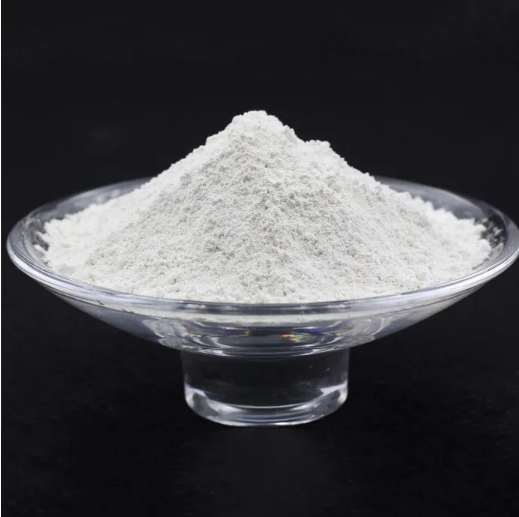
The demand for 3 3 4 dichlorophenyl 1 1 dimethylurea has expanded into global markets because it touches so many aspects of modern living. From caffeine and metformin production to fiber treatment agents, pigments, and plastics, the uses are both practical and widespread. As industries evolve, they continue to need intermediates that are safe, effective, and consistent in behavior. This chemical answers that need directly. Dimethylurea is a colorless powder, used as building block for active ingredients or intermediate for formaldehyde-free textile additives. 1,3-dimethylurea (1,3-DMU) is also used as an intermediate in the Theophylline and Caffeine. In the production of fiber treatment agents, additives for pigments and plastics 1,3-dimethylurea widely application. These practical benefits are why companies are increasingly sourcing it from reliable suppliers who can provide high-quality materials with proper certification.
Urea N N Dimethyl FAQs
By focusing on Urea N N dimethyl, industries are connecting to one of the most practical compounds in the market today. Its uses in caffeine, metformin, fiber treatment agents, pigments, plastics, and 6-amino-1,3-dimethyluracil production show that this is not just another chemical—it is a foundation for progress. The wide demand highlights why buyers should act now to secure supply for their projects. If your company is searching for trusted partners and verified quality, now is the time to explore this compound further. Visit our company website today to learn more, request samples, and place orders for this versatile product. The opportunities are wide, and industries that integrate this material into their processes will continue to see advantages in cost, performance, and safety.
What is the main use of 3 3 4 dichlorophenyl 1 1 dimethylurea?
It is widely used as an intermediate in pharmaceuticals such as caffeine and metformin, as well as in textile additives, pigments, plastics, and fiber treatment agents.
How is CAS 96 31 1 identified in industry?
It is identified by its CAS number, which provides a universal reference for manufacturers and researchers to source and use the chemical with accuracy.
Why is Urea N N dimethyl important for textiles?
It is an intermediate for formaldehyde-free textile additives, supporting safer and more sustainable fabric treatment processes.
Can 3 3 4 dichlorophenyl 1 1 dimethylurea be used in pigments and plastics?
Yes, it is often used as an additive to improve durability, stability, and appearance in both pigments and plastics.
Where can companies buy CAS No 96 31 1?
Companies can purchase it through certified suppliers and directly from manufacturers’ websites. Visit our website today to explore supply options, request technical data, and place your order with confidence.