

In the rapidly evolving landscape of chemical manufacturing, the pursuit of efficiency, precision, and sustainability is paramount. Self-optimizing reactor systems represent the pinnacle of this pursuit, leveraging advanced algorithms and real-time data analytics to autonomously adjust parameters for optimal output. At the heart of many such sophisticated processes, particularly in the fine chemicals and pharmaceutical sectors, lies a seemingly simple yet profoundly impactful molecule: 1,3-Dimethylurea (DMU). This article explores the critical function of DMU within these intelligent systems and how its unique properties make it an indispensable component in the modern chemical engineer's toolkit, with a special focus on its role in producing high-value pharmaceutical intermediates and active pharmaceutical intermediates.
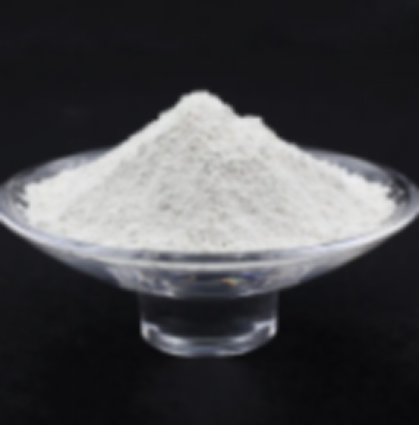
Shijiazhuang Kunxiangda Technology Co., Ltd., established in 2011, stands as a professional manufacturer and trusted partner in this high-stakes field. Located in the Economic and Technological Development Zone of Shijiazhuang city, Hebei province, our 50-acre facility, backed by a team of over 300 employees including 9 dedicated technical staff, specializes in the production of high-purity 1,3-Dimethylurea and other critical intermediates. Our commitment to innovation, fostered through long-term collaborations with prestigious institutions like Tsinghua University and Hebei University of Science and Technology, ensures our production technology remains at the forefront, reducing costs and improving quality. We are dedicated to being the most reliable partner for our global clientele, providing the essential building blocks that drive advancement in chemical synthesis.
The Cornerstone of Modern Synthesis: 1,3-Dimethylurea in Pharmaceutical Intermediates
The journey of a life-saving drug begins not with the active molecule itself, but with the intricate assembly of its precursors—the pharmaceutical intermediates. These compounds are the vital architectural scaffolds upon which complex Active Pharmaceutical Ingredients (APIs) are constructed. The selection of the right intermediate is therefore a critical decision, influencing the entire synthesis pathway's yield, purity, economic viability, and environmental footprint. 1,3-Dimethylurea has emerged as a cornerstone in this domain, particularly within self-optimizing reactor systems designed for maximum efficiency.
Its value is derived from its robust and versatile molecular structure. As a dimethyl derivative of urea, it acts as a superior reagent in a variety of synthesis reactions, most notably in the formation of heterocyclic compounds which are ubiquitous in medicinal chemistry. In traditional batch reactors, controlling the exothermic reactions involving such intermediates can be challenging, often leading to side products and requiring careful, manual oversight. However, when integrated into a self-optimizing continuous flow reactor system, 1,3-Dimethylurea truly shines. The system's sensors can continuously monitor reaction parameters like temperature and pressure when DMU is introduced. The control algorithms can then make instantaneous, micro-adjustments to flow rates or cooling, ensuring the reaction proceeds along the most efficient pathway possible. This synergy between a high-quality intermediate and smart technology minimizes waste, maximizes safety, and ensures a consistent, high-yield output of the target pharmaceutical intermediates, making the entire process more predictable and scalable for our partners.
Unpacking the Molecule: Why 1,3-Dimethylurea is a Preferred Reagent
To understand its pivotal role, one must examine the specific properties of 1,3-Dimethylurea that make it so compatible with advanced manufacturing systems. The compound's effectiveness is not accidental; it is a direct result of its defined physicochemical parameters.
|
Product Parameter |
Description |
|
Product Name |
N,N’-Dimethyl urea; 1,3-Dimethylurea |
|
Other Names |
N,N’-dimethyl-Urea; 1,3-dimethyl-ure; n,n’-dimethylharnstoff; n,n’-dimethylharnstoff (german); sym-dimethylurea |
|
CAS No. |
96-31-1 |
|
Molecular Formula |
C3H8N2O |
|
Molecular Weight |
88.1 |
|
The Main Uses |
caffeine, metformin, fiber treatment agent, pigment and plastic additive |
|
Package |
25kg/bag; One 20FCL can load 12mt with pallets. |
|
Storage |
Stored in a dry, ventilated storeroom; prevent direct sunlight; slight pile and put down. |
As the table illustrates, the applications of DMU are diverse, but its function in pharmaceutical synthesis is paramount. Its molecular structure allows it to participate efficiently in methylation and condensation reactions. For example, it is a key precursor in the synthesis of xanthine derivatives like caffeine and theophylline. In a self-optimizing reactor, the consistent purity and reactivity of a reagent like DMU are non-negotiable. Any variance in the feedstock can confuse the control algorithms, leading to suboptimal performance. This is where the manufacturing excellence of a supplier like Kunxiangda becomes critical. Our rigorous production and quality control processes ensure every batch of 1,3-Dimethylurea meets exacting specifications, providing the stable, high-quality input that intelligent systems require to function as intended. This reliability allows the reactor's AI to focus on fine-tuning the process rather than compensating for inconsistent raw materials.
Driving Efficiency: 1,3-Dimethylurea in Active Pharmaceutical Intermediate Synthesis
The transition from a standard intermediate to an active pharmaceutical intermediate represents a significant step closer to the final API. These molecules possess a portion of the final drug's structure and often involve more complex and sensitive synthesis steps. Here, the margin for error is negligible, and the demand for precision is extreme. The role of 1,3-Dimethylurea in constructing these advanced active pharmaceutical intermediates is a testament to its utility.
Consider the synthesis of a complex molecule where a dimethylurea moiety is integral to the drug's activity. Introducing this group early on using DMU can streamline the synthesis, avoiding costly and inefficient late-stage functionalization steps. In a self-optimizing reactor, this reaction can be managed with unparalleled precision. The system can be programmed to maintain the ideal kinetic and thermodynamic conditions for the reaction involving 1,3-Dimethylurea to proceed with maximum selectivity, minimizing the formation of by-products that are difficult and expensive to remove. This capability is crucial for active pharmaceutical intermediate synthesis, where purity is directly linked to the safety and efficacy of the final drug product. By ensuring reactions are cleaner and yields are higher, the use of DMU within these smart systems directly contributes to a more sustainable and cost-effective manufacturing process for our customers, reducing both raw material consumption and waste disposal needs.
FAQs About 1,3-Dimethylurea
What are the key advantages of using 1,3-Dimethylurea in pharmaceutical synthesis?
The key advantages of using 1,3-Dimethylurea are its high reactivity as a methylating and condensing agent, its role as a formalin-free alternative in many applications, and its exceptional versatility as a building block for heterocyclic compounds like xanthines. Its well-defined properties allow for predictable reaction outcomes, which is essential for scaling up from lab to industrial production. This makes it an invaluable reagent for creating complex pharmaceutical intermediates efficiently and reliably.
How does the quality of 1,3-Dimethylurea impact a self-optimizing reactor system?
In a self-optimizing system, consistency is everything. The AI control algorithms rely on predictable reagent behavior to make correct adjustments. High-purity 1,3-Dimethylurea with minimal impurities ensures consistent reactivity. A lower-quality product with batch-to-batch variation can introduce unpredictable variables, causing the system to make incorrect compensations, which can lead to reduced yields, off-spec products, and system downtime, ultimately defeating the purpose of the automated optimization.
Can 1,3-Dimethylurea help in reducing the environmental impact of synthesis?
Absolutely. By enabling more efficient reactions with higher yields and fewer unwanted side products, 1,3-Dimethylurea contributes to a reduced E-factor (environmental factor) for the process. Furthermore, its use as a formalin-free crosslinking agent provides a safer, more environmentally friendly alternative. When used in a closed-loop, self-optimizing reactor system that minimizes waste and energy use, the overall environmental footprint of manufacturing active pharmaceutical intermediates is significantly diminished.
Why is 1,3-Dimethylurea a preferred choice for producing active pharmaceutical intermediates?
1,3-Dimethylurea is preferred for active pharmaceutical intermediate synthesis because it allows for the direct and efficient incorporation of a critical structural element found in many APIs. Its reliable performance helps maintain stringent purity standards required at this stage of synthesis. Using a well-understood and high-quality reagent like DMU de-risks the development and scale-up process, ensuring a smoother path to regulatory approval and commercial production.
What makes your company a reliable supplier for high-purity 1,3-Dimethylurea?
Our reliability stems from a decade of specialized experience, vertical integration in manufacturing, and an unwavering commitment to quality control. Our production is supported by ongoing R&D partnerships with leading universities, ensuring our processes are technologically advanced. We understand that our customers' advanced manufacturing systems depend on absolute consistency, and we guarantee that every batch of our 1,3-Dimethylurea meets the strictest specifications, making us a trusted partner for global chemical enterprises.
In conclusion, 1,3-Dimethylurea is far more than a simple chemical; it is a key enabler of modern, intelligent chemical manufacturing. Its unique properties make it an ideal partner for the sophisticated algorithms driving self-optimizing reactor systems, particularly in the high-value synthesis of pharmaceutical intermediates and active pharmaceutical intermediates. As the industry continues to advance towards greater automation and efficiency, the demand for reliable, high-performance reagents like DMU will only grow. Shijiazhuang Kunxiangda Technology Co., Ltd. is proud to be at the forefront of supplying these essential components, empowering our partners to build a more efficient, sustainable, and innovative future in chemical production. We look forward to collaborating with you.