

A Buyer’s Field Guide to 1 3 Dimethylurea in 2025
The ureas market has been quietly evolving—greener synthesis routes, tighter specifications, and frankly, tougher procurement checks. If you’ve been sourcing 1 3 Dimethylurea for pharma intermediates, coatings modifiers, or agrochemical R&D, the details below might save you a few emails (and a headache or two).
What’s driving demand?
Two threads: first, regulatory pressure is nudging producers toward phosgene-free, low-residual-amine processes. Second, specialty formulators (especially in EU and ASEAN) want tighter moisture and color specs for consistent downstream reactions. Many customers say stability during storage has improved with smarter packaging and inert-gas headspace—small detail, big payoff.
Typical specs (buyer-level)
| CAS | 96-31-1 |
| Molecular formula | C3H8N2O |
| Molecular weight | ≈ 88.11 g/mol |
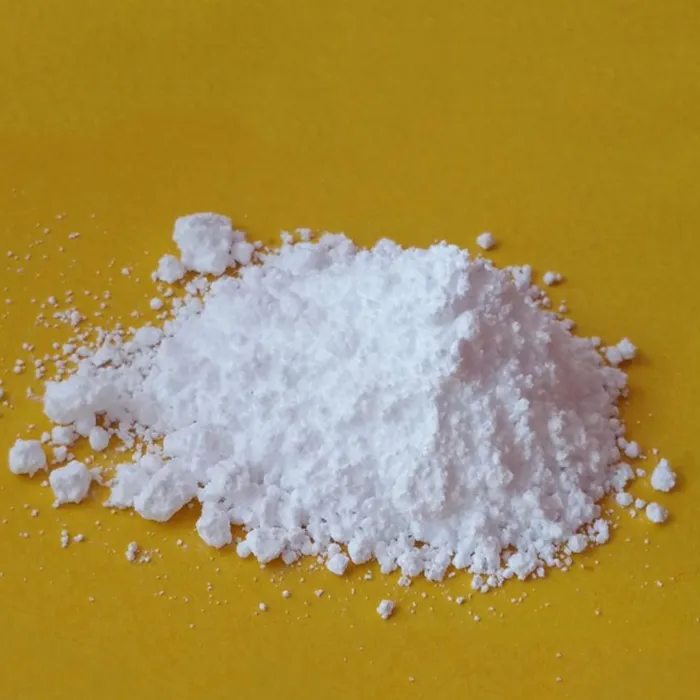
| Appearance | White to off‑white crystalline solid |
| Assay (GC) | ≥ 99.0% (real-world use may vary) |
| Moisture (KF) | ≤ 0.20% |
| Residual dimethylamine | ≤ 200 ppm (GC-MS) |
| Melting point | ≈ 101–105 °C |
| Solubility | Miscible in alcohols; moderate in water |
How it’s made (real-world flow)
Materials: dimethylamine, a carbonylating agent (often urea or dimethyl carbonate for phosgene‑free routes), solid base catalysts.
Methods: catalytic carbonylation of dimethylamine at ≈ 170–190 °C; continuous stirred reactors favored for heat removal. Crystallization, filtration, and vacuum drying follow.
Testing standards: Assay by GC per internal SOP (cross-validated with NIST standards), moisture by ASTM E203 (Karl Fischer), color by APHA/Hazen, residual amines via GC‑MS.
Service life: 24 months in sealed fiber drums with PE liners; ideally ≤ 25 °C, low humidity. I guess nitrogen-blanketed drums perform better in coastal warehouses—less yellowing over time.
Industries: pharma intermediates, dye synthesis, specialty resins, isocyanate-blocking systems, and occasionally agrochemical R&D where screening libraries still value symmetrical ureas.
Where it’s actually used
- As a building block for xanthine and uracil derivative chemistry in medicinal routes.
- Blocking agent for isocyanates in 2K polyurethane systems (better pot life control).
- Modifier in epoxy/amine systems to tweak cure profile—surprisingly consistent at pilot scale.
Vendor landscape (quick cut)
| Vendor | Origin | Purity Options | Lead Time | Certifications | Notes |
|---|---|---|---|---|---|
| KXD Chem (reference site) | Xingye Street, ETDZ, Shijiazhuang, China | 99.0–99.5% ≈ | 2–3 weeks EXW | ISO 9001; REACH-ready dossiers | Also supplies related uracils (e.g., 6‑Chloro‑3‑methyluracil) |
| EU Specialty Trader | Netherlands | Pharma grade on request | Stock or 1 week | REACH registered | Higher price, quick docs |
| APAC Regional Producer | SEA | 98.0% tech grade | 3–5 weeks | GHS/CLP alignment | Cost-efficient; check moisture |
Customization & QA
Common custom options: low-amine grade (≤ 100 ppm), micronized cuts for faster dissolution, and drums with desiccant packs. Testing bundles usually include GC assay, KF moisture, and GC‑MS impurities. Documentation you’ll want: CoA, TDS, SDS, plus REACH/ROHS statements.
Quick data point: a coatings buyer told me an HPLV spray line stabilized after switching to 1 3 Dimethylurea with moisture ≤ 0.1%—less foaming and smoother film. Not earthshaking, but noticeable.
Mini case: pilot to production
A mid-size pharma intermediate plant trialed 1 3 Dimethylurea (99.5%) vs. legacy 98% tech grade. Same route, same catalysts. Yield uptick was modest (+1.2%), but the big win was reproducibility: RSD on assay dropped from 2.1% to 0.7% across five batches. Honestly, less rework paid for the delta.
Related chemistries worth noting
If you’re mapping supply clusters, vendors handling uracils (such as 6‑Chloro‑3‑methyluracil) often have adjacent QC infrastructure suitable for 1 3 Dimethylurea—shared crystallization and drying know-how, plus Karl Fischer rigs already humming.
Compliance pointers: request GHS/CLP alignment, check REACH status (EC 1907/2006), and ask for ASTM E203 KF method details in the CoA. Simple, but it filters a lot.
Citations
- PubChem. 1,3-Dimethylurea compound summary. https://pubchem.ncbi.nlm.nih.gov
- EU REACH Regulation (EC) No 1907/2006. https://echa.europa.eu/regulations/reach
- ASTM E203 – Standard Test Method for Water Using Karl Fischer Reagent. https://www.astm.org