

Strategic Growth in the API Pharma Business: A Comprehensive Guide
The global pharmaceutical landscape is evolving rapidly, placing a heightened emphasis on the quality and reliability of Active Pharmaceutical Ingredients (APIs). Navigating the api pharma business requires a deep understanding of regulatory compliance, chemical synthesis innovation, and supply chain resilience. For companies aiming to scale, the ability to source high-purity intermediates and maintain stringent quality control is the cornerstone of success. In this guide, we will explore the critical components of managing a successful API enterprise, from regulatory hurdles to the integration of green chemistry, ensuring your business remains competitive in an increasingly demanding market.
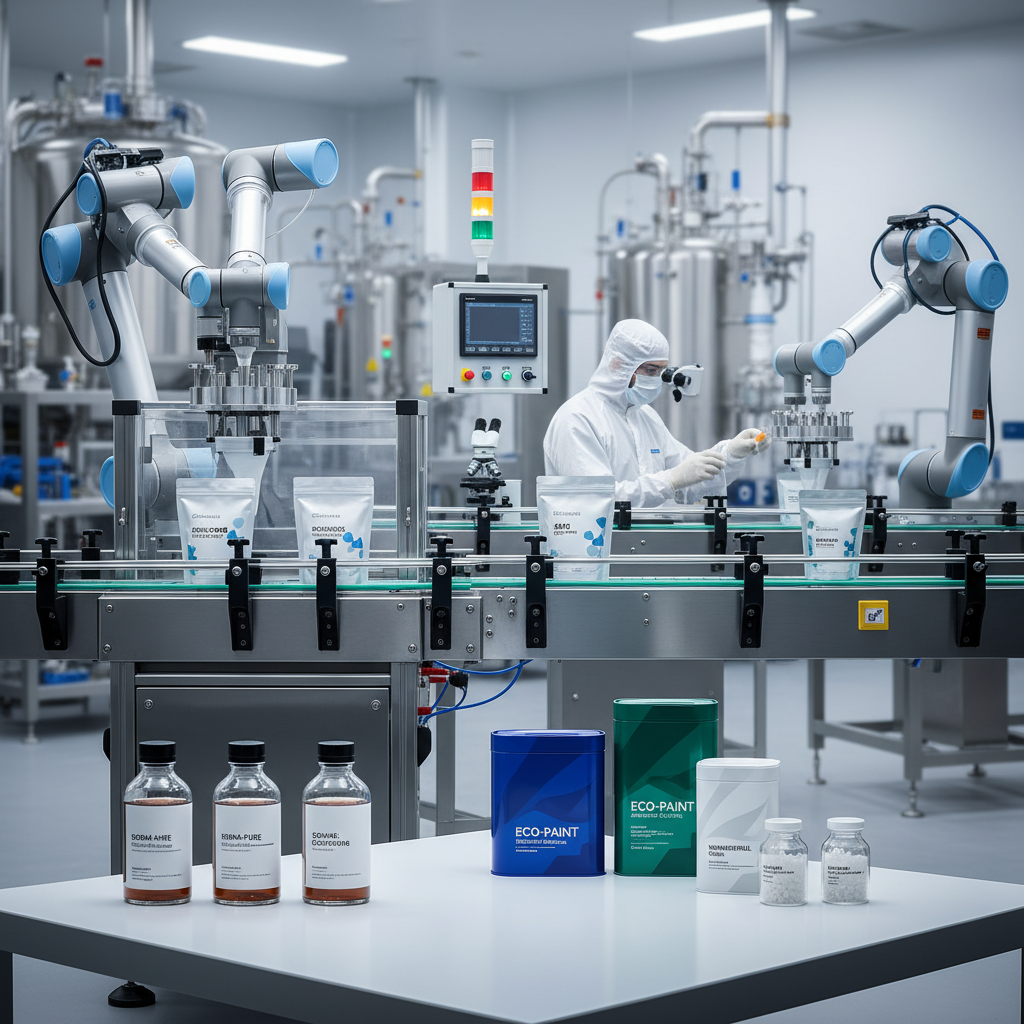
The Core Pillars of the API Pharma Business
At its heart, the api pharma business revolves around the precise synthesis of chemical compounds that produce the intended biological effect in a drug. To thrive, a company must focus on three primary pillars: R&D Capability, Quality Assurance (QA), and Regulatory Compliance. R&D allows for the development of more efficient synthesis routes, reducing waste and cost. QA ensures that every batch meets pharmacopeial standards (such as USP or EP), while compliance with Good Manufacturing Practices (GMP) is non-negotiable for entering international markets. Without these pillars, scaling a pharmaceutical ingredient business becomes a liability rather than an asset.
Industry Insight: Modern API manufacturers are shifting toward "Continuous Manufacturing" to replace traditional batch processing, resulting in higher consistency and lower operational costs.
Optimizing Supply Chains for API Pharma Business
Supply chain volatility can be the biggest threat to an api pharma business. The reliance on a single geographic region for key starting materials (KSMs) often leads to bottlenecks. Strategic diversification—sourcing from multiple audited suppliers—is essential. Furthermore, implementing AI-driven demand forecasting helps companies maintain optimal inventory levels, preventing both stockouts and the expiration of sensitive chemical precursors. A resilient supply chain not only secures production but also enhances the company's reputation as a reliable partner for finished dosage form (FDF) manufacturers.
Comparing API Production Models: Batch vs. Continuous
Choosing the right production methodology is a critical decision in the api pharma business. While batch processing has been the industry standard for decades due to its flexibility, continuous flow chemistry is gaining traction for its superior safety and efficiency profiles. The following table highlights the key technical and economic differences between these two approaches.
Regulatory Landscape and API Quality Standards
Compliance is the "license to operate" in the api pharma business. Companies must adhere to the Common Technical Document (CTD) format for filing Drug Master Files (DMFs). Ensuring that impurities are identified and controlled below the thresholds defined by the International Council for Harmonisation (ICH) is critical. Failure to maintain a rigorous "Quality by Design" (QbD) approach can lead to costly recalls or regulatory sanctions. Investing in advanced analytical instrumentation, such as HPLC and GC-MS, allows firms to guarantee purity levels that satisfy global health authorities.
Technical Specifications for High-Grade APIs
To provide a clear understanding of the technical expectations in the api pharma business, it is helpful to look at the standard specifications required for pharmaceutical-grade ingredients. These parameters ensure the stability, bioavailability, and safety of the final medication.
The Future: Green Chemistry in API Manufacturing
Sustainability is no longer optional in the api pharma business. The adoption of "Green Chemistry" principles—such as using bio-based solvents, reducing hazardous waste, and employing enzymatic catalysis—is becoming a competitive advantage. Companies that reduce their environmental footprint not only comply with stricter ESG (Environmental, Social, and Governance) regulations but also often find more efficient ways to produce molecules. The transition toward carbon-neutral manufacturing is the next frontier for leaders in the chemical synthesis space.
Conclusion: Mastering the API Pharma Business
Success in the api pharma business requires a delicate balance of scientific precision, regulatory agility, and strategic sourcing. By investing in continuous manufacturing, maintaining rigorous quality standards, and embracing green chemistry, companies can ensure long-term viability and growth. As the industry moves toward more personalized medicine and complex biologics, those who prioritize quality and innovation will lead the market. Partnering with a reliable chemical expert is the first step toward achieving these goals.
Frequently Asked Questions (FAQs)
What is the difference between an API and an intermediate in the pharma business?
In the api pharma business, an intermediate is a chemical compound produced during the steps of a synthesis process; it is not the final active ingredient but a "building block." An API (Active Pharmaceutical Ingredient) is the final refined molecule that provides the therapeutic effect in the medication. While intermediates are subject to quality controls, APIs are subject to much stricter regulatory scrutiny and must meet full pharmacopeial specifications before they can be used in drug formulation.
How do DMFs impact the competitiveness of an API company?
A Drug Master File (DMF) is a confidential document submitted to regulatory agencies (like the FDA) that provides detailed information about the manufacturing, processing, and stability of an API. Having a filed and accepted DMF makes an API company significantly more competitive because it allows finished-drug manufacturers to reference the file without the API supplier revealing trade secrets. It serves as a "stamp of approval" regarding the quality and consistency of the production process, drastically shortening the time-to-market for the final drug product.
Why is GMP compliance so critical for the API pharma business?
Good Manufacturing Practice (GMP) is a system for ensuring that products are consistently produced and controlled according to quality standards. In the pharmaceutical industry, a single impurity or cross-contamination event can have life-threatening consequences for patients. GMP compliance minimizes the risks involved in any pharmaceutical production that cannot be eliminated through testing the final product. It covers everything from personnel training and facility hygiene to equipment calibration and documentation, ensuring that every gram of API produced is safe and effective.
What are the biggest trends currently affecting the API market?
The most significant trends include the "reshoring" of API production to reduce dependence on a few global hubs, the rise of personalized medicine requiring smaller, highly specialized batches, and the integration of digital twins and AI to optimize chemical reactions. Additionally, there is a massive push toward sustainability, where companies are replacing toxic reagents with greener alternatives to meet global environmental mandates. These shifts are forcing traditional players to innovate or risk obsolescence in the modern api pharma business.