

API Meaning Pharmacy: A Comprehensive Guide
In the pharmaceutical industry, the term API – Active Pharmaceutical Ingredient – is fundamental. But what does API meaning pharmacy really entail? Understanding APIs is crucial for manufacturers, researchers, and anyone involved in drug development and production. This article provides an in-depth look at APIs, their role, manufacturing, quality control, and the significance of sourcing from reliable suppliers like KXDCHEM. We will explore the complexities and importance of these critical components in the pharmaceutical landscape.
What is an API? Defining the Core of Pharmaceuticals
An Active Pharmaceutical Ingredient (API) is the biologically active component of a drug product. It is the substance in a medicine that is responsible for producing the intended effects. Simply put, it’s what makes the medicine work. Unlike excipients (inactive ingredients) which serve as carriers or bulking agents, the API directly interacts with the body's systems to treat, cure, prevent, or diagnose a disease. Understanding the API meaning in pharmacy is the first step in understanding drug development and formulation. The quality and purity of the API directly impact the safety and efficacy of the final pharmaceutical product.
Key Takeaway: APIs are the engine driving a pharmaceutical's therapeutic action. Their quality is paramount.
API Manufacturing Processes: A Complex Undertaking
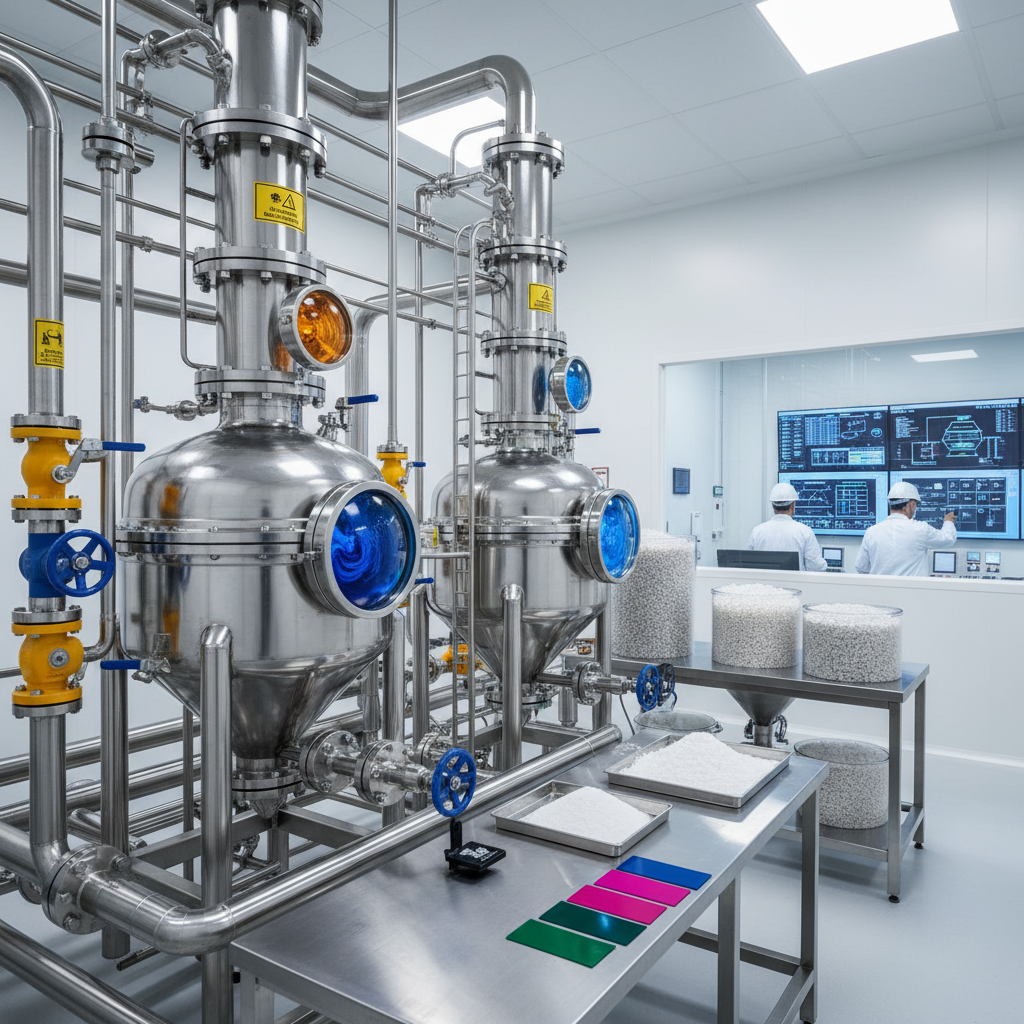
Manufacturing APIs is a highly complex process, often involving multi-step chemical synthesis. These processes can range from fermentation and extraction from natural sources to complex chemical reactions. The synthesis often requires specialized equipment, stringent process controls, and adherence to Good Manufacturing Practices (GMP). The process begins with sourcing raw materials, followed by chemical reactions, purification, crystallization, and finally, drying and milling to achieve the desired particle size. Each step is carefully monitored and validated to ensure product quality and consistency.
API Manufacturing Steps:
• Raw Material Sourcing
• Chemical Synthesis or Extraction
• Purification & Crystallization
• Drying & Milling
API Quality Control: Ensuring Safety and Efficacy
Rigorous quality control is vital throughout the API manufacturing process. This involves comprehensive testing at each stage to verify identity, purity, potency, and the absence of contaminants. Analytical techniques like High-Performance Liquid Chromatography (HPLC), Gas Chromatography (GC), Mass Spectrometry (MS), and spectroscopic methods are employed. Compliance with regulatory standards, such as those set by the FDA and EMA, is crucial. KXDCHEM maintains stringent quality control protocols and adheres to the highest industry standards.
API Sourcing: The Importance of a Reliable Partner
Choosing a reliable API supplier is paramount. Factors to consider include the supplier’s manufacturing capabilities, quality control systems, regulatory compliance, and supply chain security. Sourcing from untrustworthy suppliers can lead to compromised API quality, potentially resulting in ineffective or even harmful drug products. KXDCHEM is a trusted supplier of high-quality APIs, committed to delivering consistent and reliable products.
The Future of APIs and Pharmaceutical Innovation
The API landscape is continually evolving, driven by advances in pharmaceutical science and manufacturing technologies. Continuous flow chemistry, biocatalysis, and advanced analytical techniques are transforming API production, leading to more efficient, sustainable, and cost-effective processes. Focus is also shifting towards developing innovative APIs for personalized medicine and addressing unmet medical needs.
Conclusion: APIs – The Foundation of Modern Medicine
Understanding the API meaning in pharmacy, their manufacturing, and the critical importance of quality and sourcing is paramount for the pharmaceutical industry. By partnering with reliable suppliers like KXDCHEM, pharmaceutical companies can ensure the delivery of safe, effective, and high-quality medications to patients worldwide.
Frequently Asked Questions (FAQs)
What are the key differences between generic and branded APIs?
While both generic and branded APIs contain the same active pharmaceutical ingredient, the manufacturing processes, excipients used, and quality control measures can differ. Branded APIs are typically developed and manufactured by the original drug innovator, often employing proprietary methods. Generic APIs, on the other hand, are produced by other manufacturers after the patent on the original drug expires. The FDA requires generic APIs to be bioequivalent to the branded version, meaning they must be absorbed and utilized by the body in the same way. However, variations in impurity profiles or manufacturing processes can exist.
How does the regulatory landscape impact API manufacturing?
The regulatory landscape surrounding API manufacturing is extensive and constantly evolving. Agencies like the FDA (in the US) and EMA (in Europe) enforce stringent GMP regulations to ensure the quality, safety, and efficacy of APIs. These regulations cover all aspects of manufacturing, including facility design, equipment validation, process controls, documentation, and personnel training. Non-compliance can result in warning letters, import alerts, or even product recalls. Manufacturers must continuously adapt to updated guidelines and maintain rigorous documentation to demonstrate compliance.
What is the role of continuous manufacturing in API production?
Continuous manufacturing (CM) is an emerging technology that offers several advantages over traditional batch manufacturing for APIs. CM involves continuously feeding raw materials into a system and continuously removing the finished product, resulting in a more efficient and streamlined process. CM can lead to improved product quality, reduced costs, and greater flexibility. It also enables real-time monitoring and control, enhancing process understanding and reducing the risk of errors. While CM implementation requires significant investment, it holds the potential to revolutionize API production.
What are the considerations for scaling up API manufacturing?
Scaling up API manufacturing from laboratory scale to commercial production is a complex process that requires careful planning and execution. Factors to consider include reactor size, mixing efficiency, heat transfer, mass transfer, and process control. Changes in scale can affect reaction kinetics, impurity profiles, and product quality. Thorough process validation and optimization are essential to ensure consistent results at larger scales. Identifying and addressing potential bottlenecks early in the scale-up process can save time and resources.