

API Meaning in Pharmaceutical Industry
In the pharmaceutical world, the term API is frequently used. But what does API actually mean? API stands for Active Pharmaceutical Ingredient. It’s the biologically active component of a drug product that produces the intended effects. Essentially, it's the part of the medicine that treats the illness. Understanding the role of APIs is crucial for pharmaceutical manufacturing, quality control, and regulatory compliance. At KXDChem, we specialize in the sourcing and supply of high-quality APIs to meet the diverse needs of pharmaceutical companies globally.
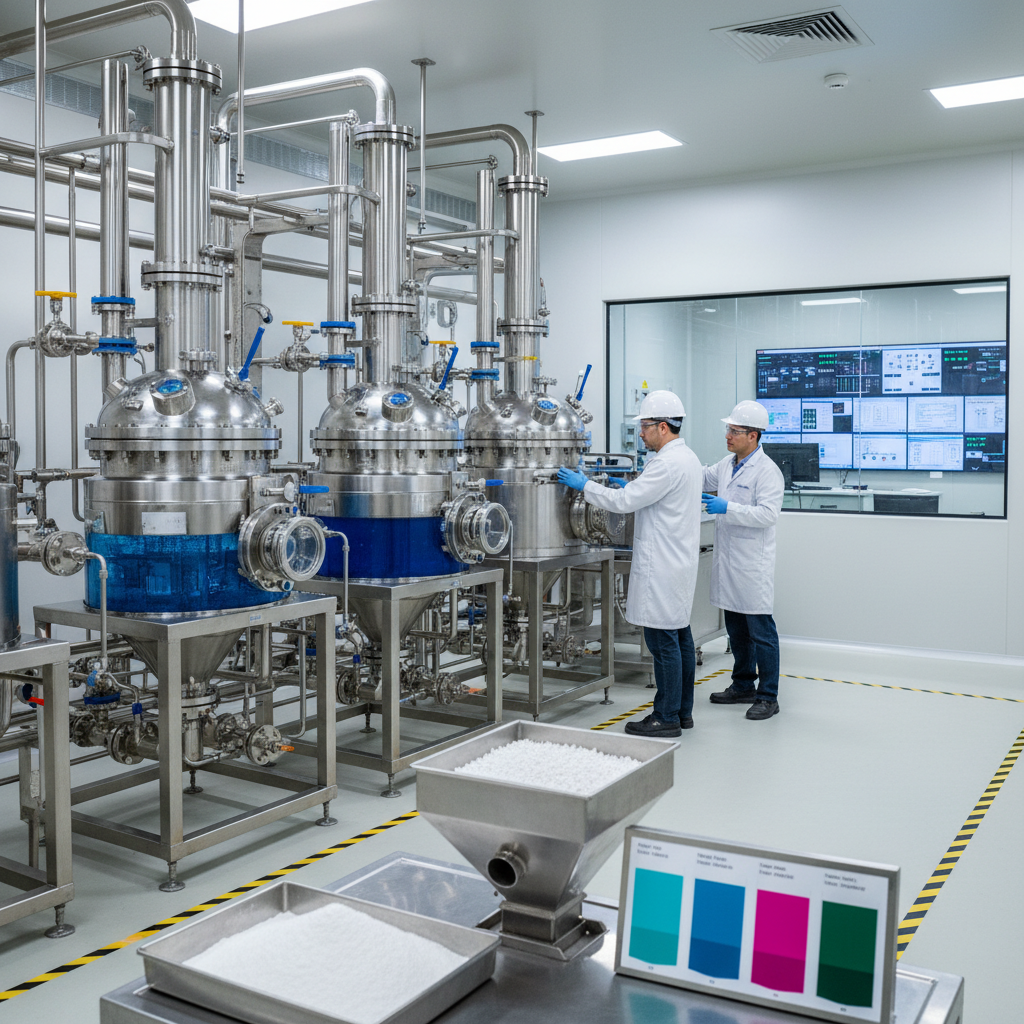
What Exactly is an Active Pharmaceutical Ingredient (API)?
An API is the substance in any pharmaceutical drug that is biologically active. It’s what causes the desired physiological change in the body. The API is carefully formulated with excipients (inactive ingredients) to create the final drug product, such as a tablet, capsule, or injection. APIs can be sourced from natural sources, such as plants and microorganisms, or they can be synthetically manufactured in a laboratory. The quality and purity of the API are paramount, as they directly impact the safety and efficacy of the drug.
Key Takeaway: The API is the engine of a pharmaceutical drug, responsible for its therapeutic effect. Its quality is non-negotiable.
API vs. Drug Product: Understanding the Difference
It’s easy to confuse API with the finished drug product. While related, they aren’t the same. The drug product encompasses everything a patient takes – the API plus all the inactive ingredients (excipients) that help with delivery, stability, and absorption. Excipients can include binders, fillers, coatings, and preservatives. The API is just one component of this complex formulation. A good analogy is to think of a cake. The API is the flour, while the entire cake (with eggs, sugar, frosting, etc.) is the drug product.
API & Drug Product: Key Differences
• API: Biologically active component, produces therapeutic effect.
• Drug Product: API + excipients, final form administered to the patient.
• API undergoes rigorous testing for purity and potency.
• Drug product undergoes testing for stability, dissolution, and bioavailability.
API Sourcing and Quality Control
Sourcing APIs requires careful due diligence. Pharmaceutical companies must ensure their suppliers adhere to stringent quality standards, such as Good Manufacturing Practices (GMP). KXDChem is committed to providing APIs that meet or exceed these standards. Our rigorous quality control processes include thorough testing for purity, potency, and contaminants. We offer comprehensive documentation, including Certificates of Analysis (COAs), to guarantee product quality and traceability.
Regulatory Landscape for APIs
The manufacturing and distribution of APIs are heavily regulated by agencies like the FDA (in the US) and EMA (in Europe). These regulations aim to ensure the safety, efficacy, and quality of pharmaceutical products. Compliance with these regulations is essential for pharmaceutical companies. This includes adherence to GMP guidelines, proper documentation, and rigorous quality control procedures. Staying abreast of evolving regulatory requirements is a continuous challenge for API manufacturers and users alike.
The Future of APIs
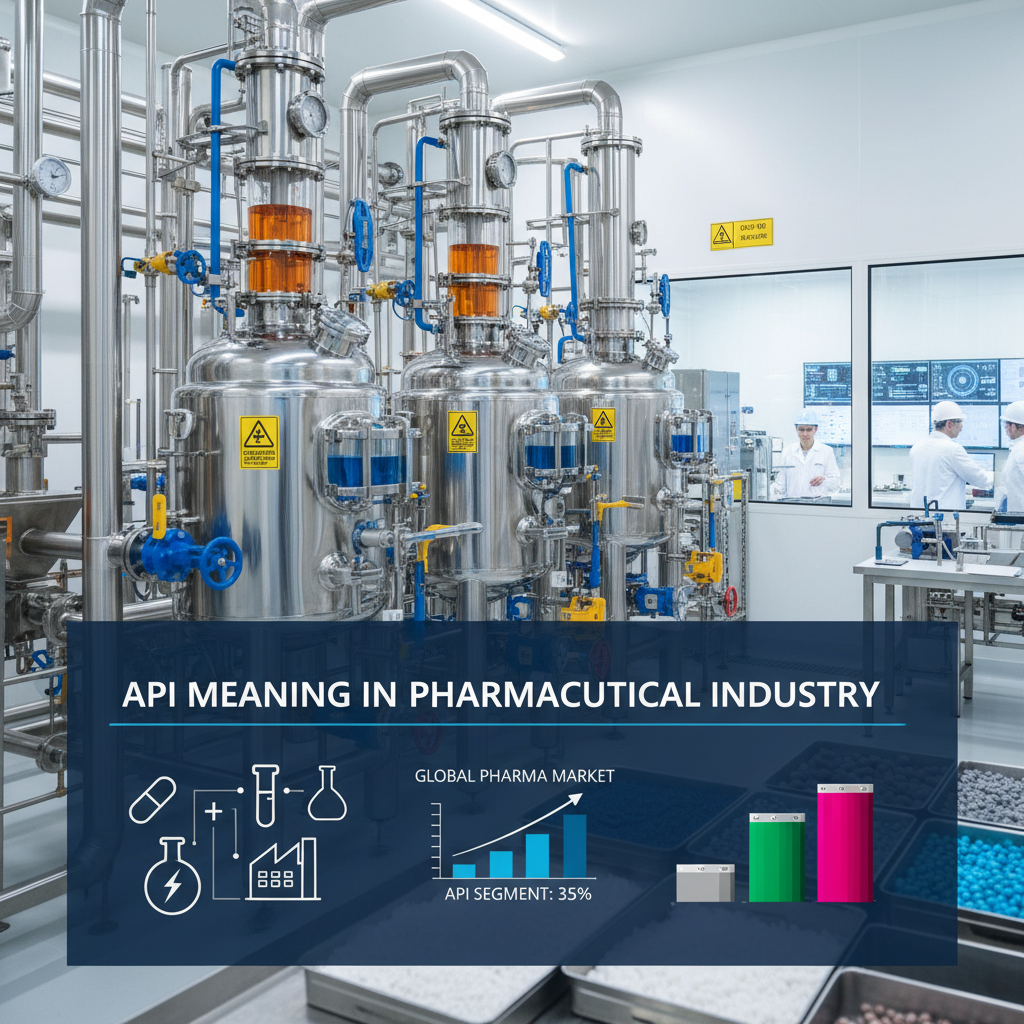
The API landscape is constantly evolving, with a growing focus on innovation and sustainability. Continuous manufacturing, flow chemistry, and biocatalysis are emerging technologies promising more efficient and environmentally friendly API production. Furthermore, there's increasing demand for complex APIs, such as peptides and oligonucleotides, which require specialized manufacturing expertise. KXDChem is dedicated to staying at the forefront of these advancements, providing our customers with cutting-edge API solutions.
Conclusion: The Critical Role of APIs in Pharmaceuticals
Understanding the API meaning and its importance is paramount for anyone involved in the pharmaceutical industry. From drug development to manufacturing and quality control, APIs are at the heart of every medication. By prioritizing quality, regulatory compliance, and innovation, we can ensure the delivery of safe and effective treatments to patients worldwide.
Frequently Asked Questions (FAQs)
What are the main types of APIs?
APIs can be broadly categorized into several types, including small molecule APIs (produced through chemical synthesis), biologic APIs (derived from living organisms), and peptide APIs (short chains of amino acids). Small molecule APIs constitute the majority of drugs on the market, but biologic APIs are becoming increasingly important, particularly in the treatment of complex diseases like cancer and autoimmune disorders. Each type of API requires specialized manufacturing and analytical techniques.
How is the purity of an API determined?
API purity is determined through a battery of analytical tests, including High-Performance Liquid Chromatography (HPLC), Gas Chromatography (GC), and Mass Spectrometry (MS). These techniques separate and quantify the different components of the API, allowing for the identification and measurement of impurities. Regulatory agencies have strict limits on the levels of impurities allowed in APIs to ensure patient safety. KXDChem employs state-of-the-art analytical equipment and experienced scientists to ensure our APIs meet the highest purity standards.
What is the significance of GMP in API manufacturing?
Good Manufacturing Practices (GMP) are a set of guidelines established by regulatory agencies to ensure pharmaceutical products, including APIs, are consistently produced and controlled according to quality standards. GMP covers all aspects of manufacturing, from raw materials to finished products, and includes requirements for personnel training, facility maintenance, equipment calibration, and documentation. Adherence to GMP is crucial for maintaining the integrity and safety of the pharmaceutical supply chain.