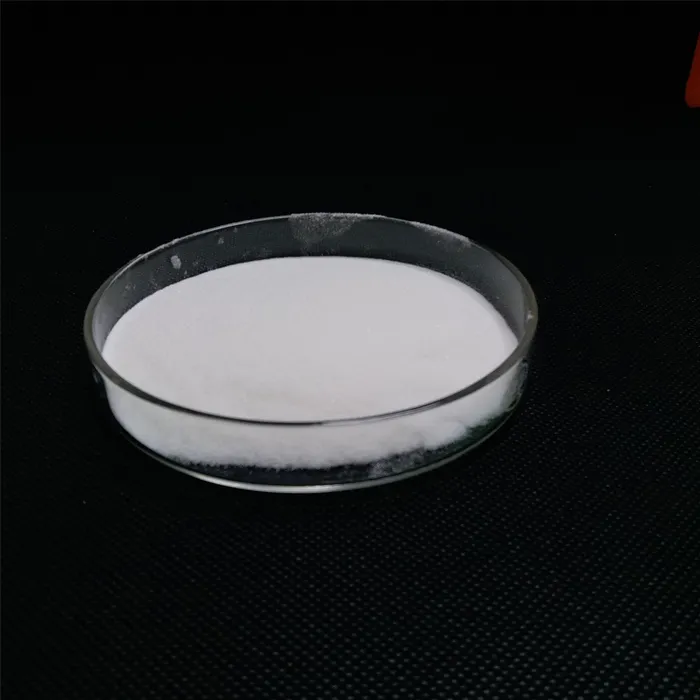
High Purity Glycyl L Tyrosine and Cooling Tower Water Treatment Companies
Maintaining high-purity chemical intermediates is critical for advanced pharmaceutical and cosmetic formulations. Glycyl-L-Tyrosine (CAS 658-79-7) serves as a precise biochemical building block, essential for synthesizing complex peptides and researching metabolic pathways. For procurement managers in the life sciences sector, sourcing this dipeptide requires a partner capable of maintaining strict stability protocols, as the compound's physical parameters—such as its specific rotation of +42±2°—are vital for downstream efficacy.
While specialized chemical manufacturing often intersects with broader industrial maintenance, such as the operational standards maintained by cooling tower water treatment companies to prevent contamination, the synthesis of Glycyl-L-Tyrosine demands a distinct level of laboratory precision. This guide explores the technical specifications and quality benchmarks necessary for integrating this high-purity intermediate into pharmaceutical R&D and commercial production pipelines.

Technical Properties and Chemical Profile of Glycyl-L-Tyrosine
Glycyl-L-Tyrosine, also identified by its molecular formula C11H14N2O4, is a dipeptide consisting of glycine and tyrosine. With a molecular weight of 238.2399, this compound exhibits a melting point between 278-285 °C (decomposition), signaling a stable crystalline structure when stored correctly. Its relative density of 1.362g/cm3 makes it a dense, manageable powder for precise weighing in laboratory settings.
The chemical identity is further defined by its EINECS number 211-525-1. In aqueous solutions (C=1%, H2O), the specific rotation [α] 20/D of +42±2° serves as a primary benchmark for optical purity. This precision is non-negotiable for pharmaceutical intermediates where chirality directly impacts biological activity. Ensuring the N-glycyl-L-tyrosine remains free from contaminants is paramount for those developing bioactive peptides or nutraceutical additives.

Industrial Applications in Pharmaceuticals and Cosmetics
The utility of Glycyl-L-Tyrosine extends across several high-value sectors. In the pharmaceutical industry, it acts as a critical precursor for peptide synthesis. Because it combines the simplicity of glycine with the phenolic properties of tyrosine, it is often used in the development of agents targeting protein synthesis or enzymatic inhibition.
Beyond drug discovery, the cosmetic industry utilizes Glycyl-L-Tyrosine and related derivatives like Glycyl-L-Glutamine Monohydrate to enhance formulation stability and skin-penetration properties. Its role in peptide-based skincare focuses on biological signaling and antioxidant support. For manufacturers, the ability to source a consistent, high-purity grade ensures that the final consumer product maintains its intended biological activity without adverse reactions caused by impurities.
Critical Storage Protocols and Supply Chain Stability
The stability of Glycyl-L-Tyrosine is highly dependent on environmental controls. To prevent degradation and maintain the specific rotation and melting point, the compound must be stored at -20 °C. This cold-chain requirement is a significant consideration for international logistics and warehouse management.
When procuring from overseas suppliers, buyers must evaluate the transporter's ability to maintain a constant temperature. Any fluctuation in the thermal environment can lead to the degradation of the N-hydrate form or the loss of optical purity. Professional procurement teams prioritize suppliers who provide detailed Certificates of Analysis (CoA) and utilize validated thermal packaging to ensure that the material arriving at the facility is identical to the material that left the laboratory.
Technical Specifications and Quality Benchmarks
| Parameter | Specification Value | Testing Method | Quality Requirement |
|---|---|---|---|
| CAS Number | 658-79-7 | Database Verification | Absolute Match |
| Molecular Weight | 238.2399 | Mass Spectrometry | ± 0.01 Deviation |
| Melting Point | 278-285 °C (Dec.) | Capillary Method | Sharp Range |
| Specific Rotation | +42±2° (C=1%, H2O) | Polarimetry | High Optical Purity |
| Storage Temp | -20 °C | Thermal Monitoring | Strict Cold Chain |
Evaluating Suppliers for Pharmaceutical Intermediates
Selecting a supplier for Glycyl-L-Tyrosine requires a shift from simple price-based procurement to quality-based evaluation. A reliable factory must demonstrate rigorous testing processes and quality assurance (QA) frameworks. This includes the use of High-Performance Liquid Chromatography (HPLC) to verify purity levels and Polarimetry to confirm the specific rotation.
Buyers should investigate the supplier's R&D capabilities. For instance, partnerships with academic institutions, such as Tsinghua University or Hebei University of Science and Technology, often indicate a commitment to improving production technology and reducing impurities. In the B2B chemical market, the ability to scale production while maintaining a narrow specification range is what separates world-class fine chemical enterprises from basic trading companies.
Future Trends in Dipeptide Synthesis and Procurement
The trend in pharmaceutical intermediates is moving toward "Green Chemistry," where synthesis routes are optimized to reduce hazardous waste and energy consumption. For Glycyl-L-Tyrosine, this means developing more efficient enzymatic coupling methods that replace traditional chemical catalysts, leading to higher yields and fewer side products.
Furthermore, the integration of digital supply chain tracking is becoming standard. Real-time temperature logging during the transport of cold-chain chemicals ensures that the -20 °C requirement is met throughout the journey from the factory in China to laboratories in Europe or the Americas. This transparency reduces the risk of batch rejection and accelerates the R&D cycle for pharmaceutical innovators.
Frequently Asked Questions About Glycyl-L-Tyrosine
What is the primary use of Glycyl-L-Tyrosine in pharmaceutical R&D?
It is primarily used as a dipeptide building block for the synthesis of larger peptides and as a reference standard in biochemical assays investigating protein metabolism and tyrosine-related pathways.
Why is the storage temperature strictly set at -20 °C?
The -20 °C requirement is essential to maintain the chemical stability of the peptide bond and prevent degradation or hydration changes that could alter the product's purity and specific rotation.
How is the optical purity of Glycyl-L-Tyrosine verified?
Optical purity is verified using a polarimeter to measure the specific rotation [α] 20/D, which should be +42±2° when the concentration is 1% in water.
Can Glycyl-L-Tyrosine be used in cosmetic formulations?
Yes, it is used in advanced cosmetic formulations for its biological activity, often paired with other peptides like Glycyl-L-Glutamine Monohydrate to improve skin health and stability.
What should I look for in a CoA for this product?
A comprehensive Certificate of Analysis (CoA) should include the CAS number, molecular weight, melting point, specific rotation, and a purity percentage verified by HPLC.
Are there any common mistakes when shipping this intermediate?
The most common mistake is failing to utilize validated cold-chain logistics, leading to thermal excursions that can compromise the compound's integrity before it reaches the end user.
Technical References and Industry Sources
- PubChem - National Center for Biotechnology Information
- Sigma-Aldrich Technical Peptide Documentation
- CAS Common Chemistry Database
- PubMed - Biochemical Research on Dipeptides
For organizations seeking a reliable partner for high-purity Glycyl-L-Tyrosine and other pharmaceutical intermediates, ensuring a combination of manufacturing expertise and logistics precision is key. Contact our technical team to discuss your specific purity requirements and cold-chain delivery needs.
Related Industry Insights