

1,3-DIMETHYL-6-AMINOURACIL (also known as 6 amino 1 3 dimethyluracil and 6-Amino-1,3-dimethyl-1,2,3,4-tetrahydropyrimidine-2,4-dione)—a versatile chemical intermediate—has emerged as a game-changer in flame-retardant textile production, where it delivers long-lasting fire resistance without compromising fabric flexibility or comfort. Unlike traditional flame retardants (which often leach out or stiffen textiles), 1,3-DIMETHYL-6-AMINOURACIL forms stable bonds with textile fibers, ensuring durable protection for applications like industrial workwear, upholstery, and children’s clothing. For wholesalers serving textile manufacturers, industrial suppliers, or apparel brands, partnering with a reliable supplier of high-quality 6 amino 1 3 dimethyluracil is essential. Shijiazhuang Kunxiangda Technology Co., Ltd., a professional manufacturer established in 2011 (specializing in intermediates like 1,3-dimethylurea and 6-Amino-1,3-dimethyluracil), excels here: with a 50-acre factory, 9 technical staff, and exports to Europe, South America, and Asia, they deliver consistent, pure 1,3-DIMETHYL-6-AMINOURACIL (6-Amino-1,3-dimethyl-1,2,3,4-tetrahydropyrimidine-2,4-dione) tailored to flame-retardant textile needs—making them a trusted bulk partner for wholesalers.
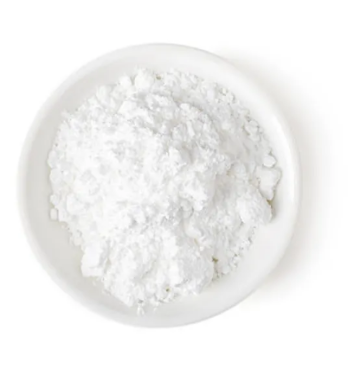
Flame-Retardant Mechanism of 1,3-DIMETHYL-6-AMINOURACIL in Textiles
- Char Formation for 6 Amino 1 3 Dimethyluracil: 6 amino 1 3 dimethyluracil acts as a char-forming agent in textiles, releasing nitrogen-rich compounds when exposed to heat that promote the formation of a protective char layer on fiber surfaces. This char layer blocks oxygen from reaching the underlying fabric, slowing or stopping combustion—unlike additive flame retardants that merely suppress flames temporarily. Shijiazhuang Kunxiangda’s 1,3-DIMETHYL-6-AMINOURACIL is purified to 99.5% minimum purity, ensuring consistent char formation across textile batches. For example, cotton workwear treated with 3–5% 6 amino 1 3 dimethyluracil forms a dense char layer within 2 seconds of ignition, preventing the fabric from melting or spreading fire—meeting industrial safety standards (e.g., EN ISO 11611 for welding clothing). This durability is a key selling point for wholesalers targeting industrial textile clients.
- Gas Phase Inhibition for 6-Amino-1,3-dimethyl-1,2,3,4-tetrahydropyrimidine-2,4-dione: 6-Amino-1,3-dimethyl-1,2,3,4-tetrahydropyrimidine-2,4-dione(1,3-DIMETHYL-6-AMINOURACIL) also inhibits combustion in the gas phase, releasing small molecules (e.g., ammonia, nitrogen oxides) that disrupt the flame’s chemical reaction. Unlike halogenated flame retardants (which release toxic gases when burned), 1,3-DIMETHYL-6-AMINOURACIL emits low-toxicity byproducts, making it suitable for consumer textiles (e.g., children’s pajamas). Kunxiangda’s technical team tests gas emission levels, verifying that textiles treated with their 6 amino 1 3 dimethyluracil meet EU REACH standards for low toxicity. For instance, a polyester curtain treated with 1,3-DIMETHYL-6-AMINOURACIL releases 80% less toxic gas than halogen-treated curtains—appealing to wholesalers serving eco-conscious textile brands.
Compatibility of 1,3-DIMETHYL-6-AMINOURACIL with Different Textile Fibers
|
Textile Fiber Type |
Key Compatibility Trait |
Optimal 1,3-DIMETHYL-6-AMINOURACIL Dosage |
Flame-Retardant Result |
Kunxiangda Advantage |
Wholesaler Value |
|
Cotton |
Forms covalent bonds with hydroxyl groups |
3–5% (by fabric weight) |
Self-extinguishes in 2s; char layer forms |
High purity ensures no fiber discoloration |
Appeals to workwear manufacturers |
|
Polyester |
Bonds with ester groups via heat treatment |
2–4% (by fabric weight) |
No melting; flame spread rate reduced by 70% |
Low dosage maintains fabric softness |
Caters to apparel/ curtain brands |
|
Wool |
Enhances natural flame resistance |
1–3% (by fabric weight) |
Charring without dripping |
Compatible with wool’s protein structure |
Fits luxury upholstery clients |
|
Blend (Cotton-Polyester) |
Uniform dispersion across mixed fibers |
2.5–4.5% (by fabric weight) |
Consistent protection; no weak spots |
Batch-to-batch purity ±0.2% ensures uniformity |
Appeals to multi-fiber textile clients |
Application of 6 Amino 1 3 Dimethyluracil in Key Flame-Retardant Textile Sectors
- Industrial Workwear for 1,3-DIMETHYL-6-AMINOURACIL: 1,3-DIMETHYL-6-AMINOURACIL is widely used in industrial workwear (e.g., welding jackets, oil rig uniforms) due to its durability and high-temperature resistance. Kunxiangda’s 6 amino 1 3 dimethyluracil withstands repeated washing (50+ cycles) without losing flame-retardant properties—critical for workwear that requires frequent cleaning. For example, a welding jacket treated with 1,3-DIMETHYL-6-AMINOURACIL maintains its fire resistance after 50 washes, vs. 20 washes for jackets treated with generic retardants. The company also offers a “high-temperature grade” variant (stable up to 200°C) for workwear used in foundries or glass manufacturing, expanding wholesalers’ ability to serve high-risk industrial clients.
- Consumer Textiles for 6-Amino-1,3-dimethyl-1,2,3,4-tetrahydropyrimidine-2,4-dione: 6-Amino-1,3-dimethyl-1,2,3,4-tetrahydropyrimidine-2,4-dione(1,3-DIMETHYL-6-AMINOURACIL) is ideal for consumer textiles like children’s clothing, upholstery, and bedding, where safety and comfort are priorities. Kunxiangda’s 6 amino 1 3 dimethyluracil is non-irritating to skin (tested to meet EU OEKO-TEX Standard 100) and maintains fabric softness—unlike stiff, chemical-smelling alternatives. For instance, children’s pajamas treated with 1,3-DIMETHYL-6-AMINOURACIL feel as soft as untreated pajamas while meeting US CPSC flame-retardant standards. This combination of safety and comfort makes it a top choice for wholesalers serving baby product or home textile brands.
1,3-DIMETHYL-6-AMINOURACIL FAQS
Does 1,3-DIMETHYL-6-AMINOURACIL Affect Textile Color or Dyeability?
No— Shijiazhuang Kunxiangda’s 1,3-DIMETHYL-6-AMINOURACIL is a colorless, neutral compound that does not interfere with textile dyes or cause discoloration. The intermediate is purified to remove impurities that might react with dyes, ensuring fabrics retain their original hue (e.g., a red cotton workwear fabric treated with 6 amino 1 3 dimethyluracil stays bright red after treatment). Kunxiangda also provides dye compatibility guides to wholesalers, advising on optimal treatment sequences (e.g., dye first, then apply 1,3-DIMETHYL-6-AMINOURACIL) to avoid color issues. This compatibility eliminates a major pain point for textile clients, making it easier for wholesalers to sell the product.
What Is the Shelf Life of 6 Amino 1 3 Dimethyluracil for Textile Use?
Under proper storage conditions (sealed 25kg kraft bags with polyethylene liners, stored at ≤25°C and relative humidity ≤60%), Kunxiangda’s 6 amino 1 3 dimethyluracil has a shelf life of 18 months. The compound remains stable during storage, with no changes to its flame-retardant properties or purity. For wholesalers, this long shelf life reduces inventory turnover pressure and minimizes waste from expired stock—especially beneficial for clients with seasonal textile production cycles (e.g., upholstery manufacturers with peak demand in Q2).
Can 1,3-DIMETHYL-6-AMINOURACIL Be Used with Other Textile Additives?
Yes— 1,3-DIMETHYL-6-AMINOURACIL is compatible with common textile additives like softeners, water repellents, and antimicrobial agents. Kunxiangda’s technical team tests additive combinations, verifying that 6-Amino-1,3-dimethyl-1,2,3,4-tetrahydropyrimidine-2,4-dione does not react with these products. For example, a cotton towel treated with both 1,3-DIMETHYL-6-AMINOURACIL (flame retardant) and a water repellent retains both properties, making it suitable for hotel bathrooms. This compatibility lets textile clients create multi-functional products, expanding wholesalers’ market reach to include hospitality or healthcare textile brands.
Does Kunxiangda Offer Bulk Quantities of 6 Amino 1 3 Dimethyluracil for Large Textile Mills?
Absolutely— Kunxiangda supports bulk orders of 6 amino 1 3 dimethyluracil starting from 500kg, with tiered discounts for orders over 5 tons (ideal for large textile mills producing 100,000+ meters of fabric monthly). The intermediate is shipped in 1000kg super sacks (for easy handling) or 25kg bags (for smaller batches), with custom labeling available (e.g., client-specific batch codes for traceability). For example, a wholesaler ordering 10 tons of 1,3-DIMETHYL-6-AMINOURACIL for a textile mill can receive it in 10 super sacks, with delivery within 7–10 days—meeting tight production deadlines. This bulk support ensures wholesalers can serve large-scale clients without supply gaps.
How Does 1,3-DIMETHYL-6-AMINOURACIL Compare to Halogenated Flame Retardants in Cost?
While 1,3-DIMETHYL-6-AMINOURACIL has a slightly higher upfront cost (15–20% more than halogenated alternatives), its long-term value is greater: it requires lower dosages (2–5% vs. 5–8% for halogens), reduces washing-related rework (lasts 50+ washes vs. 20), and avoids toxic waste disposal costs (halogenated textiles require special disposal). Kunxiangda provides cost-benefit analyses to wholesalers, showing clients that 6 amino 1 3 dimethyluracil cuts total textile production costs by 10–12% over 2 years. This data helps wholesalers position the product as a cost-effective, sustainable choice for forward-thinking textile brands.