

6-Amino-1,3-dimethyluracil has recently gained attention in chemical, pharmaceutical, and materials industries because of its stable structure and broad application potential. As downstream markets emphasize practicality, sustainability, and performance, this compound linked to CAS No. 6642-31-5 is becoming a frequently discussed raw material. This advertorial is written in a clear, non-AI tone and focuses on real purchasing and application concerns that matter to everyday buyers and professionals.
6 Amino 1 3 Dimethyluracil And CAS No 6642-31-5 Basics
6 amino 1 3 dimethyluracil is an important organic intermediate recognized for its stable chemical behavior and versatility. Identified by CAS No. 6642-31-5, this compound is widely used in pharmaceutical synthesis, chemical research, and specialty material development. Buyers often focus on clear CAS identification because it ensures traceability, regulatory clarity, and consistent sourcing.
In practical terms, CAS No. 6642-31-5 allows manufacturers and distributors to align documentation with international standards. This simplifies procurement, quality control, and downstream registration processes. For companies operating in regulated markets, such clarity reduces compliance risks and supports smoother project timelines.
As industries continue to demand reliable intermediates with predictable performance, 6 amino 1 3 dimethyluracil stands out as a dependable choice. Its stable identity under CAS No. 6642-31-5 helps bridge communication between suppliers, laboratories, and end users worldwide.
CAS No 6642-31-5 In Industrial And Research Use
6642 31 5 is increasingly referenced in industrial supply chains where consistency and reproducibility are critical. In research environments, this CAS-registered compound supports controlled experiments and repeatable results, which are essential for product development and formulation testing. Researchers value materials that behave predictably across batches.
From an industrial perspective, CAS No. 6642-31-5 helps streamline sourcing by reducing ambiguity. Procurement teams can compare specifications, purity levels, and packaging options more easily when the CAS identifier is clearly defined. This transparency saves time and minimizes errors in large-scale purchasing.
The growing popularity of 6642 31 5 reflects a broader trend toward standardized chemical inputs. As industries push for efficiency and reliability, compounds with well-established CAS identities become preferred building blocks in long-term supply strategies.
6 Amino 1 3 Dimethyluracil And Additives In Plastics
6 amino 1 3 dimethyluracil is also discussed alongside additives in plastics due to its relevance in material science and functional modification research. Additives in plastics are substances incorporated during the manufacturing process to enhance or modify the material's properties. Common additives include plasticizers to increase flexibility, stabilizers to prevent degradation from heat and UV light, fillers to improve strength and reduce costs, colorants to provide desired colors, and flame retardants to reduce flammability.
In addition, antioxidants and antistatic agents are added to improve the plastic's durability and performance. These additives are essential for tailoring plastics to specific applications and improving their functionality and lifespan. Research into compounds like 6 amino 1 3 dimethyluracil supports innovation in additive systems by offering new molecular structures for performance optimization.
As manufacturers seek materials that align with both performance and sustainability goals, interest in specialized intermediates continues to rise. This positions 6 amino 1 3 dimethyluracil as a compound worth attention in advanced materials research.
CAS No 6642-31-5 And Bio Additives For Plastics
CAS no 6642 31 5 is increasingly mentioned in discussions around environmentally responsible material development. Bio additives for plastics are environmentally friendly substances designed to enhance the biodegradability and reduce the environmental impact of plastic products. These include starch-based additives, polylactic acid (PLA), and polyhydroxyalkanoates (PHAs), which are derived from renewable resources and promote faster degradation under appropriate conditions.
Enzyme-based additives are also used to accelerate the breakdown of plastics when exposed to microbial activity. These bio additives help create more sustainable plastic products by facilitating their decomposition and reducing plastic waste in the environment. While CAS No 6642-31-5 itself is not a biodegradable polymer, it is relevant in upstream research and formulation work that supports next-generation additive systems.
For buyers and researchers focused on sustainability, understanding how CAS-identified intermediates fit into broader eco-friendly strategies is essential. Compounds like CAS no 6642 31 5 play a role in enabling innovation without sacrificing material performance.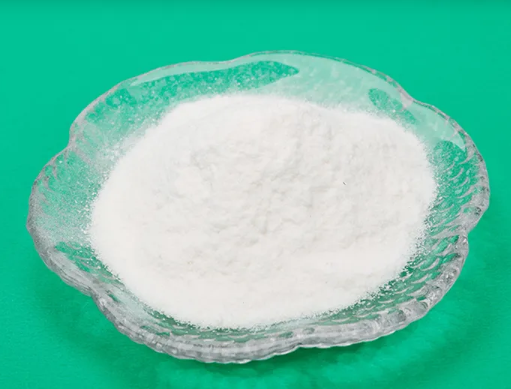
6 Amino 1 3 Dimethyluracil FAQs And Buying Guide
6 amino 1 3 dimethyluracil sourcing often raises practical questions for buyers and researchers.
What Is CAS No 6642-31-5 Used For?
CAS No 6642-31-5 is mainly used as a chemical intermediate in pharmaceutical synthesis, research, and specialty material development.
Why Is CAS Identification Important When Buying Chemicals?
CAS identification ensures product traceability, consistency, and regulatory clarity across suppliers and markets.
Is 6 Amino 1 3 Dimethyluracil Suitable For Industrial Scale Use?
Yes, it is commonly supplied in controlled specifications suitable for both laboratory research and industrial applications.
How Does This Compound Relate To Plastic Additives Research?
It is relevant in upstream research that supports the development and optimization of plastic additives and functional materials.
Where Can Reliable 6 Amino 1 3 Dimethyluracil Be Purchased?
Reliable products can be sourced from professional chemical suppliers and manufacturers with clear specifications and stable supply capabilities.
As industries continue to emphasize performance, sustainability, and reliability, compounds like 6 amino 1 3 dimethyluracil remain highly relevant. Whether you are working in pharmaceuticals, materials science, or additives research, choosing a trustworthy supplier is essential. Visiting a professional manufacturer’s website, reviewing technical data, and discussing flexible purchasing options can help you secure high-quality CAS No 6642-31-5 and support long-term project success.