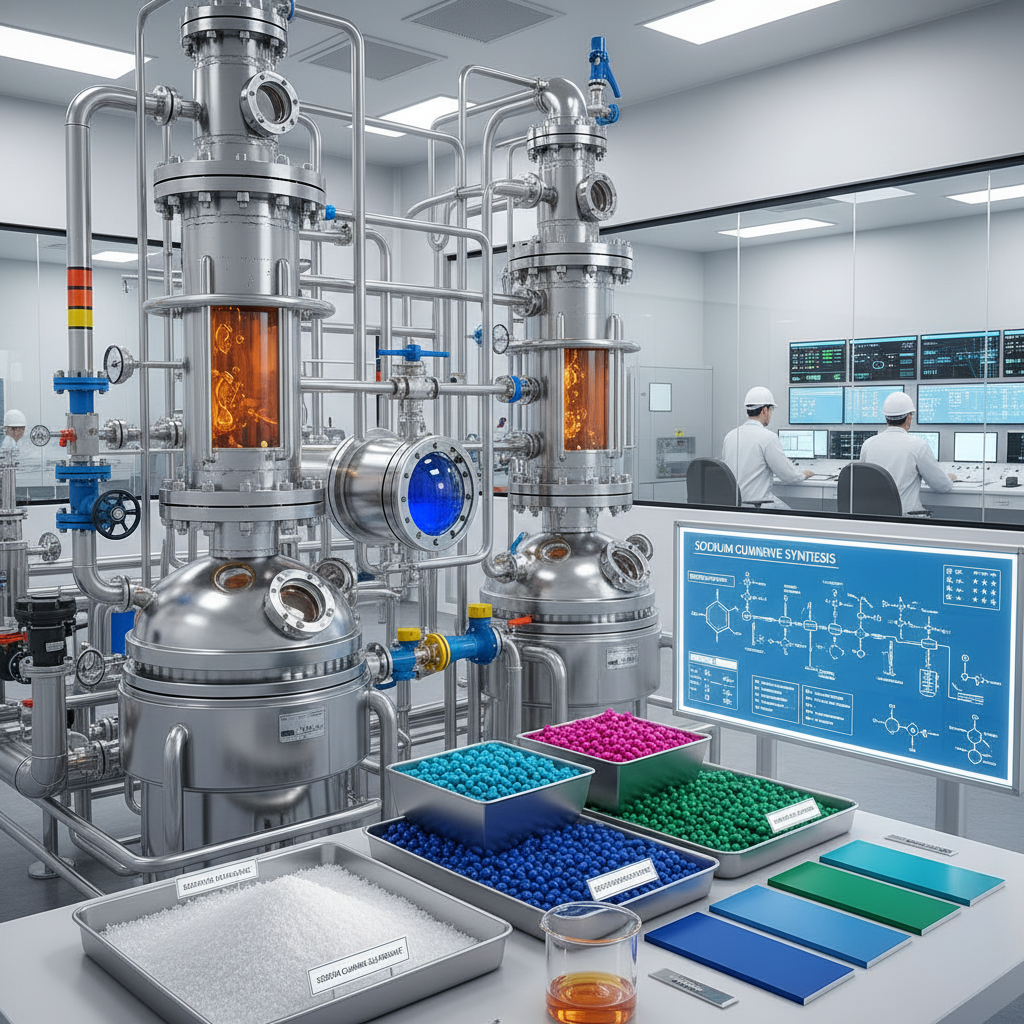
Pharmaceutical formulation intermediates are the carefully selected and processed materials that bridge the gap between active pharmaceutical ingredients (APIs) and the final dosage form. These intermediates undergo further chemical or physical transformations to create the final drug product, playing a critical role in determining its efficacy, safety, and stability. Understanding these components is paramount for pharmaceutical manufacturers striving for efficient production and high-quality medications.
The global pharmaceutical industry is a multi-trillion dollar market, and pharmaceutical formulation intermediates constitute a significant portion of this value chain. According to a report by the World Health Organization, access to essential medicines remains a challenge in many developing countries, highlighting the need for cost-effective and reliable manufacturing processes. Efficient sourcing and production of these intermediates directly impact drug affordability and availability worldwide.
Investing in the research, development, and optimization of pharmaceutical formulation intermediates is not merely a business imperative, but a humanitarian one. The ability to create stable, bioavailable, and scalable drug formulations hinges on the quality and performance of these critical building blocks. This underscores the importance of adhering to stringent quality control standards and exploring innovative intermediate technologies.
Introduction to Pharmaceutical Formulation Intermediates
Pharmaceutical formulation intermediates are not simply 'building blocks'; they are meticulously designed compounds that influence the entire lifecycle of a drug. Factors like particle size, polymorphism, and purity directly impact bioavailability, dissolution rate, and overall therapeutic effectiveness. Careful selection and control of these intermediates are crucial for delivering safe and efficacious medications.
The development of high-quality pharmaceutical formulation intermediates requires a deep understanding of chemical engineering, materials science, and pharmaceutical principles. Companies specializing in these intermediates often work closely with API manufacturers and pharmaceutical companies to optimize formulations and ensure seamless integration into the final drug product. pharmaceutical formulation intermediates play a vital role in this collaborative process.
Global Relevance and Industry Context
The global pharmaceutical industry is projected to reach over $1.5 trillion by 2023, driven by factors such as an aging population, increasing prevalence of chronic diseases, and advancements in medical technology. Consequently, the demand for high-quality pharmaceutical formulation intermediates is steadily rising. Regions like Asia-Pacific, particularly India and China, have emerged as key manufacturing hubs for both APIs and intermediates, benefiting from lower production costs and a skilled workforce.
However, this growth is accompanied by challenges. Maintaining consistent quality standards across global supply chains, addressing regulatory complexities, and ensuring the sustainability of manufacturing processes are paramount concerns. The COVID-19 pandemic exposed vulnerabilities in global supply chains, highlighting the need for diversified sourcing strategies and increased domestic production capabilities for critical intermediates.
Moreover, the increasing focus on personalized medicine and targeted therapies demands the development of specialized intermediates tailored to specific drug formulations. This requires significant investment in research and development and a commitment to innovation within the pharmaceutical formulation intermediate sector.
Defining Pharmaceutical Formulation Intermediates
Pharmaceutical formulation intermediates are chemical compounds or mixtures created during the synthesis of an API, but aren’t the API itself. They are produced through a series of chemical reactions and purification steps, designed to eventually yield the final active drug substance. Unlike APIs, they generally do not possess significant pharmacological activity on their own.
Their importance stems from controlling the physical and chemical properties of the final drug product. Intermediates dictate factors like crystal form, particle size distribution, and residual solvent levels, all of which critically affect drug solubility, stability, and bioavailability. They’re directly connected to modern industrial demands for consistent product quality and efficient production.
In a humanitarian context, access to affordable medications often relies on optimizing the production of intermediates. Reducing costs and improving efficiency in this stage of the manufacturing process can significantly lower the price of life-saving drugs, making them accessible to more people worldwide. This makes the quality and availability of pharmaceutical formulation intermediates a matter of global health security.
Key Factors in Intermediate Development
Successful development of pharmaceutical formulation intermediates relies on several core factors. First, Purity is paramount. Impurities present in intermediates can carry over into the final API, potentially leading to adverse effects. Second, Scalability is essential for transitioning from laboratory synthesis to commercial production. A process that works well on a small scale may encounter significant challenges when scaled up.
Cost Efficiency is also a critical consideration, as intermediates represent a significant portion of the overall drug manufacturing cost. Optimizing reaction conditions, minimizing waste, and sourcing raw materials strategically can help reduce costs. Finally, Stability – the intermediate must remain stable during storage and transportation to ensure consistent quality.
Intermediate Quality Attribute Ranking
Global Applications and Use Cases
Pharmaceutical formulation intermediates are employed across a vast spectrum of therapeutic areas, from cardiovascular disease and oncology to infectious diseases and central nervous system disorders. In post-disaster relief operations, ensuring a rapid supply of essential medicines containing these intermediates is crucial for addressing urgent healthcare needs.
Furthermore, they are vital for the production of generic drugs, providing affordable alternatives to branded medications. Many companies based in India and China specialize in manufacturing generic drug intermediates, contributing significantly to the global pharmaceutical supply chain. The application also extends to veterinary medicine, where similar principles of formulation and quality control apply.
Advantages and Long-Term Value
The strategic use of optimized pharmaceutical formulation intermediates translates into tangible benefits. Lower manufacturing costs, coupled with enhanced product stability, ultimately reduce the cost of medications, making them more accessible to patients. Furthermore, sustainable production practices minimize environmental impact, aligning with growing corporate social responsibility initiatives.
Beyond financial advantages, the reliability and consistent quality of these intermediates foster trust between pharmaceutical companies, healthcare providers, and patients. This trust is essential for maintaining public health and promoting adherence to medication regimens. Investing in robust intermediate development is an investment in a healthier future.
Future Trends and Innovations
The future of pharmaceutical formulation intermediates is being shaped by several key trends. Continuous manufacturing processes, enabled by advanced automation and real-time monitoring, are gaining traction, offering increased efficiency and reduced waste. Green chemistry principles, focused on utilizing renewable feedstocks and minimizing hazardous solvents, are becoming increasingly important for sustainable production.
Digital transformation, including the use of artificial intelligence and machine learning, is revolutionizing intermediate development, enabling faster screening of potential compounds and optimization of reaction conditions. Furthermore, the rise of flow chemistry – conducting reactions in a continuous stream rather than in batches – offers improved control and scalability.
Challenges & Solutions
A significant challenge in pharmaceutical formulation intermediates is ensuring supply chain resilience, especially in the face of geopolitical instability or unforeseen events like pandemics. Diversifying sourcing, building strategic reserves, and investing in domestic manufacturing capabilities are crucial mitigation strategies. Another challenge involves stringent regulatory requirements and the need for extensive documentation and validation.
Addressing these requires robust quality management systems, adherence to Good Manufacturing Practices (GMP), and proactive engagement with regulatory agencies. Furthermore, innovative analytical techniques, such as process analytical technology (PAT), can enable real-time monitoring and control of intermediate quality, minimizing deviations and ensuring compliance.
Finally, the development of more environmentally friendly and sustainable manufacturing processes remains a key challenge. Investing in research and development of greener solvents, biocatalysis, and waste reduction strategies is essential for minimizing the environmental footprint of pharmaceutical intermediate production.
Summary of Key Intermediate Challenges and Solutions
| Challenge Area |
Severity (1-10) |
Potential Solution |
Implementation Cost (Low/Medium/High) |
| Supply Chain Disruptions |
8 |
Diversified Sourcing & Strategic Reserves |
Medium |
| Regulatory Compliance |
9 |
Robust Quality Management Systems (GMP) |
Medium |
| Cost Optimization |
7 |
Process Optimization & Waste Reduction |
Low |
| Environmental Impact |
6 |
Green Chemistry & Sustainable Practices |
High |
| Scalability Issues |
5 |
Flow Chemistry & Continuous Manufacturing |
Medium |
| Analytical Challenges |
7 |
Process Analytical Technology (PAT) |
High |
FAQS
Pharmaceutical formulation intermediates are compounds used to create APIs, but they typically lack significant pharmacological activity themselves. APIs are the active ingredients responsible for the therapeutic effect of a drug. Intermediates are building blocks, whereas APIs are the finished product. Controlling the quality of intermediates is vital for the purity and efficacy of the final API.
Ensure your supplier has robust quality control systems in place, adheres to Good Manufacturing Practices (GMP), and provides a Certificate of Analysis (CoA) for each batch. Verify that the CoA details relevant specifications like purity, assay, and residual solvents. Auditing the supplier’s facilities and reviewing their quality documentation can provide further assurance.
Continuous manufacturing offers significant advantages over traditional batch processing, including increased efficiency, reduced waste, and improved process control. It allows for real-time monitoring and adjustment of critical parameters, resulting in more consistent product quality. This can lead to lower production costs and faster time-to-market for pharmaceutical intermediates.
Green chemistry focuses on minimizing the environmental impact of chemical processes. This can involve using renewable feedstocks, employing safer solvents, reducing waste generation, and designing more energy-efficient reactions. Examples include using biocatalysis instead of harsh chemical catalysts and employing flow chemistry to reduce solvent usage.
While intermediates are not directly regulated to the same extent as APIs, they must be manufactured in compliance with GMP guidelines and relevant regulatory expectations. Documentation of the manufacturing process, quality control testing, and stability studies is essential. The quality of intermediates directly impacts the quality of the final API, so rigorous control is critical.
Diversifying your supply chain reduces the risk of disruptions caused by geopolitical events, natural disasters, or supplier-specific issues. Sourcing intermediates from multiple suppliers in different geographic locations ensures continuity of supply and enhances resilience. It also promotes competition, potentially leading to better pricing and quality.
Conclusion
Pharmaceutical formulation intermediates represent a foundational element of the modern pharmaceutical industry. Their quality, purity, and efficient production are critical for delivering safe, effective, and affordable medications to patients worldwide. Understanding the key factors influencing intermediate development, embracing innovative technologies, and addressing supply chain vulnerabilities are paramount for ensuring a sustainable and resilient pharmaceutical supply chain.
Looking ahead, the continued integration of green chemistry principles, advanced analytical techniques, and digital transformation will drive further innovation in this field. By prioritizing sustainability, quality, and efficiency, the pharmaceutical formulation intermediate sector can contribute significantly to improving global health and well-being.