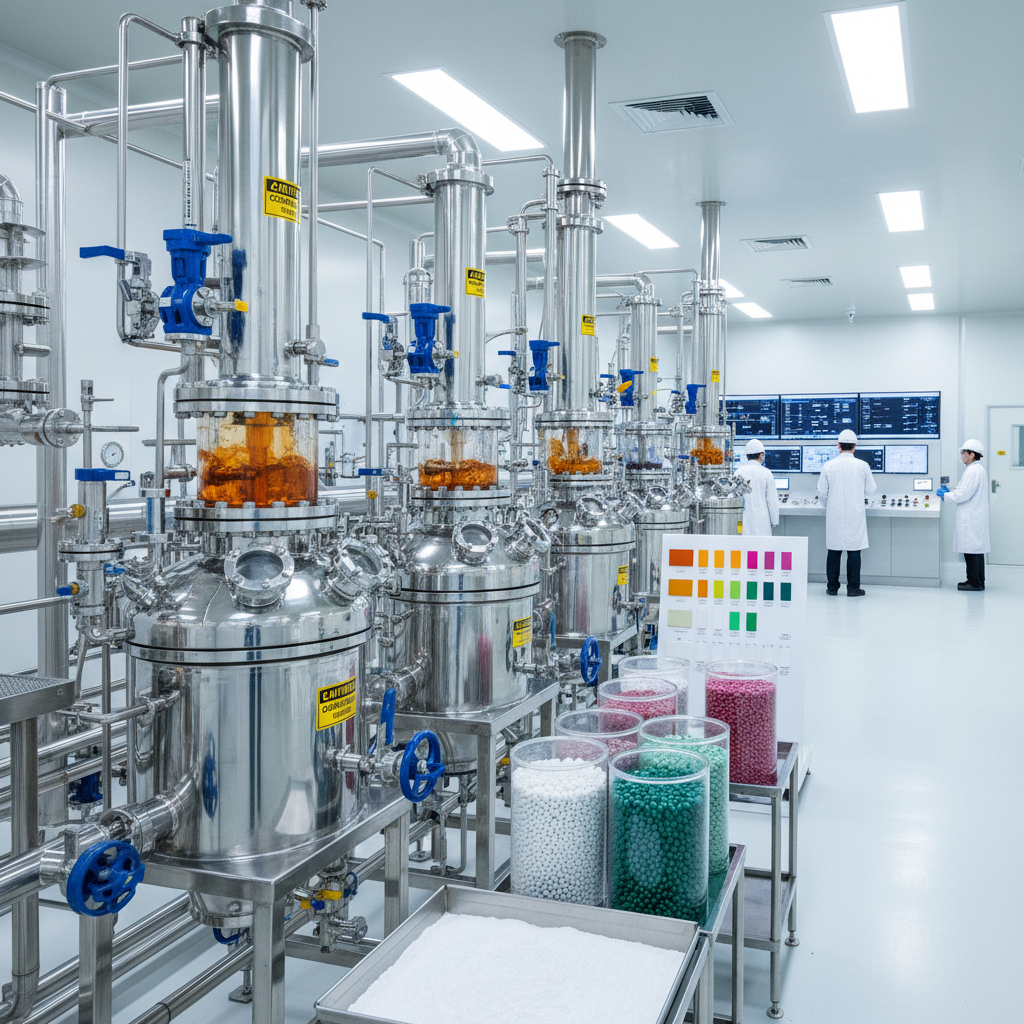
Drug substance intermediates are the crucial building blocks in the pharmaceutical industry, acting as precursors to active pharmaceutical ingredients (APIs). Their quality, purity, and reliable supply are paramount to ensuring the safety and efficacy of medications globally. Understanding the intricacies of drug substance intermediate production, characterization, and regulation is therefore vital for pharmaceutical manufacturers, regulatory bodies, and ultimately, patient health. The importance of a robust supply chain for these intermediates has been dramatically highlighted in recent years, underscoring the need for diversified sourcing and resilient manufacturing processes.
The global pharmaceutical market is projected to continue its growth trajectory, driven by aging populations, increasing prevalence of chronic diseases, and advancements in medical technology. This growth necessitates a corresponding increase in the production of APIs, which directly translates to a greater demand for high-quality drug substance intermediates. The United Nations and the World Health Organization emphasize the importance of access to essential medicines, and a stable intermediate supply chain is key to achieving this goal, especially in developing countries.
Navigating the complex landscape of drug substance intermediate sourcing requires expertise in chemistry, manufacturing, regulatory compliance, and supply chain management. Choosing the right partner for intermediate supply can significantly impact a pharmaceutical company’s ability to bring life-saving medications to market efficiently and cost-effectively. Furthermore, continuous innovation in intermediate manufacturing processes is essential for reducing costs, improving sustainability, and enhancing product quality.
Introduction: Global or Industry Context
The drug substance intermediate market is a multi-billion dollar industry, inextricably linked to the health and well-being of populations worldwide. According to recent market research, the global API and intermediate market is expected to reach over $200 billion by 2028, exhibiting a compound annual growth rate of approximately 6%. This growth is fueled by the increasing demand for generic drugs, biosimilars, and novel therapies. Furthermore, the rise of contract manufacturing organizations (CMOs) specializing in intermediate production is reshaping the industry landscape.
However, this growth is not without its challenges. Geopolitical instability, supply chain disruptions (as witnessed during the COVID-19 pandemic), and increasing regulatory scrutiny pose significant risks to the reliable supply of drug substance intermediates. The concentration of manufacturing in certain regions creates vulnerabilities, highlighting the need for diversification and regionalization of production.
Ensuring the sustainability and resilience of the drug substance intermediate supply chain is crucial for mitigating these risks. Investment in advanced manufacturing technologies, process analytical technology (PAT), and green chemistry principles are essential for reducing costs, improving efficiency, and minimizing environmental impact. Collaboration between pharmaceutical companies, CMOs, and regulatory agencies is also vital for fostering innovation and ensuring product quality.
Definition & Meaning
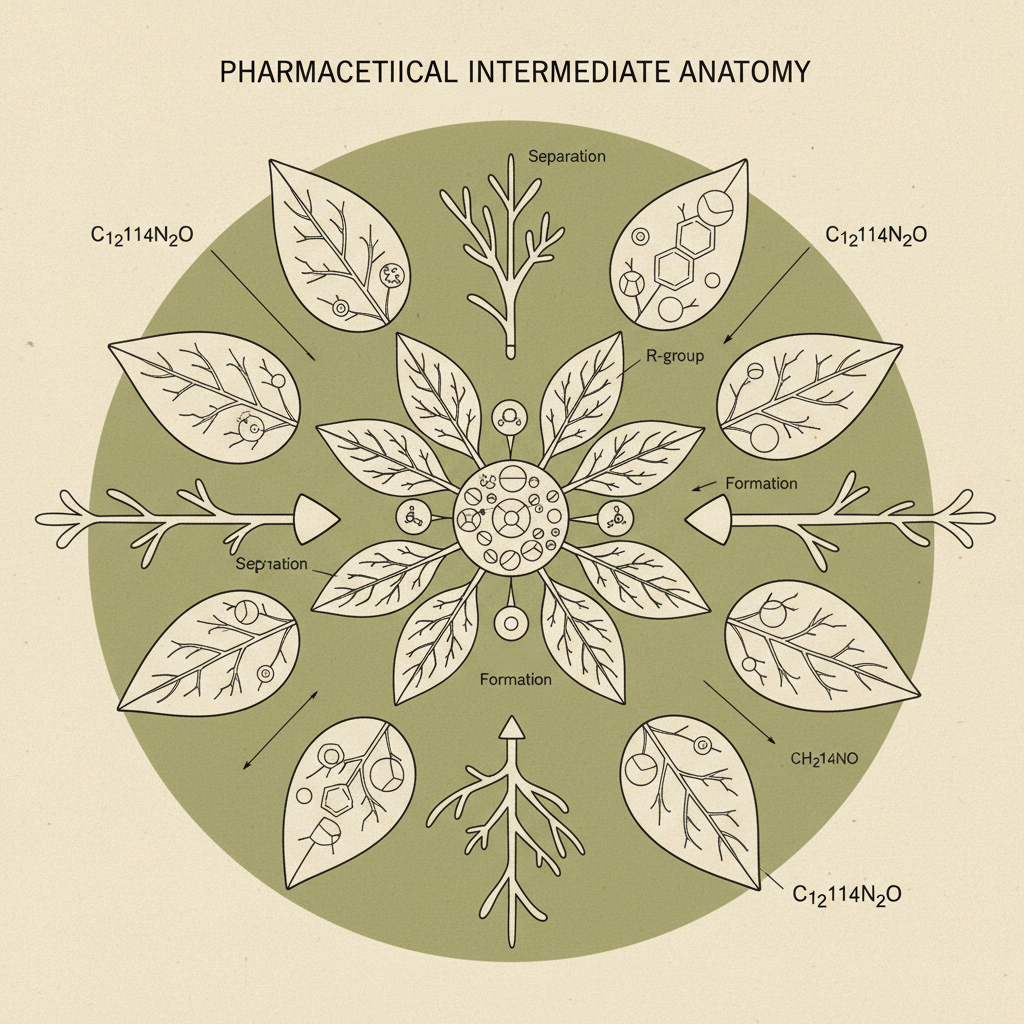
A drug substance intermediate is a chemical compound formed during the synthesis of an active pharmaceutical ingredient (API). It is neither the starting material nor the final API itself, but a crucial step in the complex chemical process. These intermediates often undergo multiple transformations—reactions like oxidation, reduction, or alkylation—to eventually yield the desired API. Think of it as a step-by-step construction process where each intermediate represents a partially completed structure.
The production of drug substance intermediates plays a pivotal role in modern healthcare. Without these building blocks, the vast majority of modern medicines would be impossible to manufacture efficiently and economically. They are essential not just for established blockbuster drugs, but also for innovative therapies targeting complex diseases like cancer, HIV/AIDS, and autoimmune disorders.
Understanding the chemistry and manufacturing of these intermediates is critical for ensuring the quality and safety of the final drug product. Impurities present in the intermediate can carry through to the API, potentially impacting its efficacy and causing adverse effects. Therefore, rigorous analytical testing and quality control measures are essential throughout the entire production process, from starting materials to finished intermediates.
Key Factors or Core Components
Several core components define the success and reliability of drug substance intermediate production. Purity is paramount, as even trace amounts of impurities can affect the API’s safety and efficacy. Achieving high purity often requires sophisticated purification techniques like chromatography and crystallization.
Scalability is another crucial factor. A process that works well on a small, laboratory scale may not be feasible for large-scale commercial production. Effective scale-up requires careful consideration of reactor design, heat transfer, and mixing efficiency. Cost Efficiency also plays a vital role, influencing the overall cost of the drug product. Optimization of reaction conditions, selection of raw materials, and waste reduction strategies are key to achieving cost-effectiveness.
Regulatory Compliance is non-negotiable. Drug substance intermediate manufacturers must adhere to stringent regulatory guidelines set forth by agencies like the FDA and EMA. This includes Good Manufacturing Practices (GMP) compliance, comprehensive documentation, and robust quality control systems. Process Robustness ensures that the manufacturing process is consistently reliable and delivers the desired quality attributes, even in the face of minor variations in operating conditions. Finally, Supply Chain Security is vital, encompassing secure sourcing of raw materials, reliable transportation, and effective risk management.
These components are intertwined; neglecting one can compromise the others. For example, a focus on cost reduction without sufficient attention to purity or regulatory compliance could lead to product recalls and damage to a company’s reputation. A holistic approach, considering all these factors, is essential for successful drug substance intermediate manufacturing.
Global Applications & Use Cases
Drug substance intermediates are integral to pharmaceutical manufacturing across the globe. Regions with significant pharmaceutical production, such as India and China, are major hubs for intermediate manufacturing, often serving as suppliers to companies worldwide. These intermediates are used in the production of a wide range of medications, including antibiotics, cardiovascular drugs, anti-cancer agents, and antiviral therapies.
In post-disaster relief operations, the rapid availability of essential medicines is crucial. A readily available supply of drug substance intermediates enables pharmaceutical companies to quickly ramp up production of these critical medications. Similarly, in remote industrial zones, where access to specialized chemicals and manufacturing capabilities may be limited, a reliable source of high-quality intermediates is essential for establishing local pharmaceutical production capacity.
Organizations like the World Health Organization (WHO) rely on a stable supply of intermediates for ensuring access to essential medicines in developing countries. Many international aid programs depend on APIs manufactured from intermediates sourced globally. The complexity of the supply chains means robust tracking and quality assurance are paramount to prevent counterfeit or substandard medications from entering the market.
Drug Substance Intermediate Production Efficiency
Advantages & Long-Term Value
Utilizing reliable sources for drug substance intermediates delivers significant cost benefits to pharmaceutical companies. By streamlining the supply chain and reducing reliance on multiple vendors, companies can negotiate better pricing and minimize logistical expenses. Furthermore, focusing on quality intermediates reduces the risk of batch failures and costly rework.
From a sustainability perspective, sourcing intermediates from manufacturers committed to green chemistry principles minimizes environmental impact. This includes reducing waste generation, using renewable resources, and employing energy-efficient processes. The social impact is also substantial; ensuring a stable supply of essential medicines contributes to improved public health outcomes, particularly in underserved communities.
Ultimately, investing in high-quality drug substance intermediates fosters trust and reliability within the pharmaceutical industry. Patients and healthcare providers can be confident in the safety and efficacy of medications, which is essential for maintaining public health and advancing medical innovation. A robust and transparent supply chain builds confidence and strengthens the integrity of the entire pharmaceutical ecosystem.
Future Trends & Innovations
The future of drug substance intermediate production will be heavily influenced by emerging technologies. Continuous flow chemistry, offering improved reaction control and scalability, is gaining traction. Similarly, biocatalysis—using enzymes to catalyze chemical reactions—presents a sustainable and highly selective alternative to traditional chemical methods.
Digital transformation, including the implementation of artificial intelligence (AI) and machine learning (ML), is revolutionizing process optimization and quality control. AI-powered predictive modeling can help identify potential issues before they arise, leading to reduced waste and improved efficiency. The integration of blockchain technology can also enhance supply chain transparency and traceability.
Challenges & Solutions
One major challenge is the increasing complexity of API synthesis, leading to longer and more intricate intermediate production pathways. This translates to higher costs and increased risk of impurities. A solution lies in developing more efficient and convergent synthetic routes, minimizing the number of steps required.
Another challenge is the limited number of qualified intermediate manufacturers, leading to supply chain vulnerabilities. Encouraging investment in new manufacturing capacity and fostering collaboration between companies can help address this issue. Furthermore, promoting the adoption of advanced manufacturing technologies can improve productivity and reduce reliance on traditional methods.
Finally, maintaining stringent quality control standards across a complex global supply chain requires robust analytical capabilities and effective communication. Implementing harmonized analytical methods and investing in training programs for quality control personnel are essential for ensuring product integrity.
Summary of Key Solutions for Addressing Drug Substance Intermediate Challenges
| Challenge Area |
Proposed Solution |
Implementation Timeline |
Potential Impact (1-10) |
| Complex Synthesis Routes |
Development of Convergent Synthesis |
12-24 Months |
8 |
| Limited Manufacturing Capacity |
Investment in New Facilities |
24-36 Months |
9 |
| Supply Chain Vulnerabilities |
Diversification of Sourcing |
6-12 Months |
7 |
| Quality Control Consistency |
Harmonized Analytical Methods |
18 Months |
8 |
| Regulatory Compliance Costs |
Automation of Documentation |
12 Months |
6 |
| Sustainability Concerns |
Adoption of Green Chemistry |
Ongoing |
7 |
FAQS
The lead time for a custom drug substance intermediate can vary significantly depending on the complexity of the synthesis, the availability of starting materials, and the manufacturer’s capacity. Generally, it ranges from 6 to 18 months, encompassing process development, scale-up, analytical method validation, and initial production runs. A thorough assessment of the project scope and open communication with the manufacturer are crucial for accurate lead time estimation. It's essential to factor in potential regulatory requirements and quality control testing which can extend the timeline.
Ensuring quality starts with selecting a reputable manufacturer with a proven track record of GMP compliance and robust quality control systems. Conducting thorough audits of the manufacturing facility is vital. Requesting comprehensive analytical data, including Certificates of Analysis (CoAs), and performing independent verification testing are also crucial steps. Implementing a strong supply chain management system with clear quality agreements and traceability protocols will mitigate risks and ensure consistent product quality.
Importing drug substance intermediates is subject to stringent regulatory requirements, varying by country. Generally, compliance with Good Manufacturing Practices (GMP) is essential, as well as adherence to import/export regulations established by customs authorities. Depending on the destination country, documentation such as Certificates of Analysis, Material Safety Data Sheets (MSDS), and declarations of origin may be required. It's crucial to consult with regulatory experts and ensure full compliance with all applicable regulations to avoid delays and potential penalties.
Mitigating supply chain risks involves diversifying your sourcing base, establishing backup suppliers, and maintaining safety stock levels. Developing strong relationships with key suppliers and implementing proactive risk monitoring systems are also essential. Consider near-shoring or on-shoring manufacturing to reduce reliance on geographically concentrated supply chains. Furthermore, investing in supply chain visibility tools can provide real-time insights into potential disruptions.
Process Analytical Technology (PAT) plays a critical role in enhancing process understanding and control in drug substance intermediate manufacturing. PAT involves the real-time monitoring of critical process parameters (CPPs) and critical quality attributes (CQAs) using analytical instruments. This enables manufacturers to optimize reaction conditions, minimize waste, and ensure consistent product quality. PAT tools can include spectroscopic techniques, chromatography, and process sensors, leading to more efficient and reliable manufacturing processes.
Employing green chemistry principles in drug substance intermediate production offers numerous benefits, including reduced environmental impact, lower waste generation, and improved safety. This involves utilizing renewable raw materials, developing more efficient synthetic routes, and minimizing the use of hazardous solvents and reagents. Green chemistry not only contributes to environmental sustainability but can also lead to cost savings and enhanced process efficiency, aligning with corporate social responsibility goals.
Conclusion
In conclusion, drug substance intermediates are fundamental components of the pharmaceutical industry, driving innovation and enabling the production of life-saving medications. Ensuring a reliable, sustainable, and high-quality supply of these intermediates is crucial for global health security. By embracing advanced manufacturing technologies, prioritizing regulatory compliance, and fostering collaboration across the supply chain, the industry can overcome existing challenges and unlock new opportunities for growth.
Looking ahead, continued investment in research and development, coupled with a commitment to green chemistry principles, will be essential for shaping the future of drug substance intermediate manufacturing. Furthermore, proactively addressing potential supply chain vulnerabilities and embracing digital transformation will strengthen the resilience of the industry and ensure access to essential medicines for all. To learn more about our capabilities in providing high-quality drug substance intermediates, visit our website today.