Sodium cumene sulfonate (SCS) serves as a pivotal hydrotrope in modern chemical engineering, bridging the gap between incompatible phases to ensure stability and efficiency in various formulations. Understanding sodium cumene sulfonate uses is essential for manufacturers who aim to optimize the solubility of organic compounds in aqueous solutions, thereby enhancing the overall performance of industrial cleaners, pharmaceutical intermediates, and specialized chemical blends.
On a global scale, the demand for high-performance surfactants and coupling agents has surged as industries shift toward more concentrated and stable liquid products. The versatile nature of sodium cumene sulfonate uses allows it to reduce the viscosity of liquid detergents and prevent the separation of active ingredients, making it an indispensable tool in the quest for operational efficiency and product longevity.
By exploring the technical nuances of sodium cumene sulfonate uses, companies can achieve significant cost reductions through improved formulation stability and reduced waste. Whether it is ensuring the purity of pharmaceutical precursors or enhancing the efficacy of industrial degreasers, the strategic application of this hydrotrope provides a competitive edge in an increasingly demanding global marketplace.
Global Industry Context of Sodium Cumene Sulfonate Uses
In the contemporary landscape of the chemical manufacturing industry, the need for precise solubility control is paramount. Sodium cumene sulfonate uses have become globally significant as manufacturers move toward "green chemistry" and highly concentrated formulas. According to industry standards aligned with ISO guidelines for chemical stability, the ability to maintain a homogeneous mixture in high-salt or high-surfactant environments is a critical challenge that SCS effectively solves.
The global shift toward sustainable industrial cleaning and pharmaceutical precision has placed a spotlight on how sodium cumene sulfonate uses can reduce the reliance on volatile organic solvents. By increasing the solubility of organic components in water, it enables the production of safer, water-based alternatives that meet stringent environmental regulations and reduce the carbon footprint of large-scale industrial operations.
Defining Sodium Cumene Sulfonate and Its Core Purpose
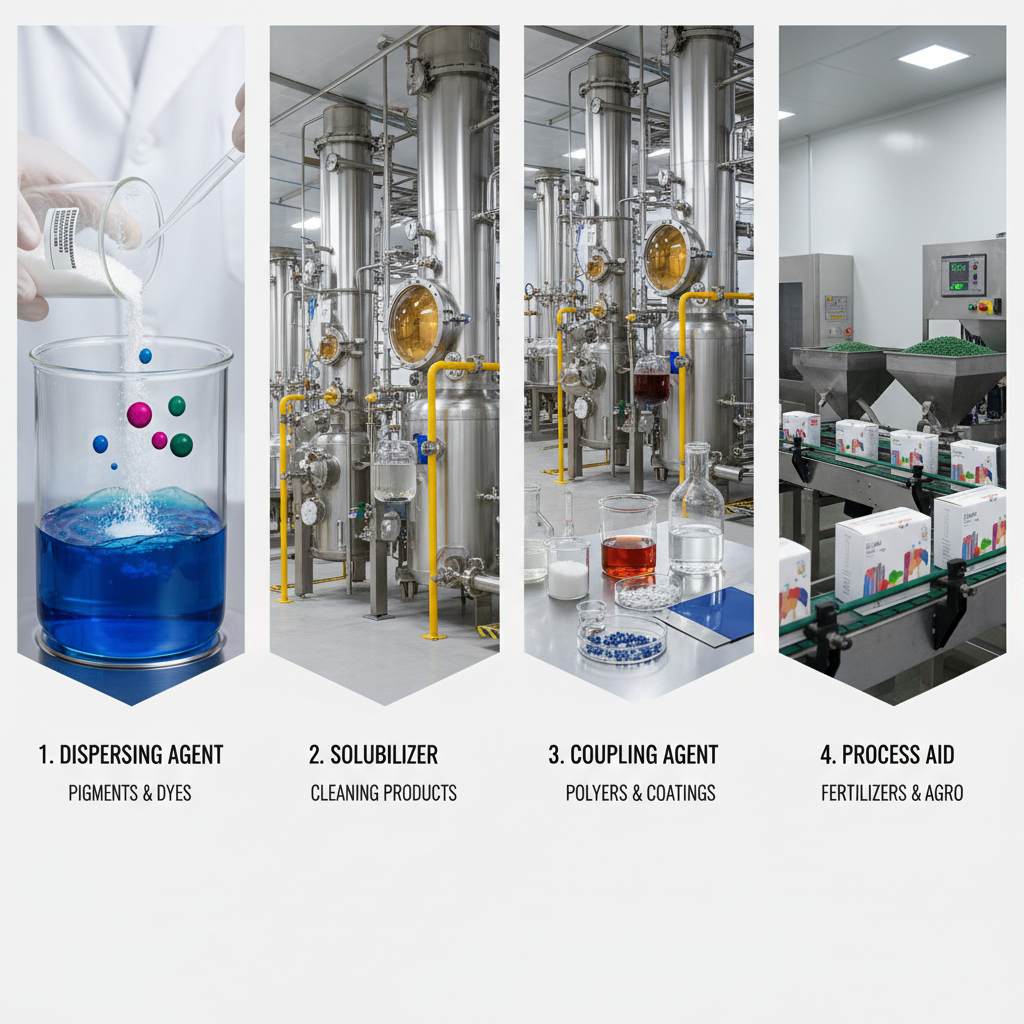
At its most fundamental level, sodium cumene sulfonate is a powerful hydrotrope—a compound that improves the solubility of other substances in water without acting as a traditional surfactant. Unlike typical soaps, the primary focus of sodium cumene sulfonate uses is not to create foam or lower surface tension significantly, but to "couple" different ingredients that would otherwise separate, ensuring a stable, clear, and isotropic liquid phase.
This unique property is vital for modern humanitarian and industrial needs, where the reliability of a chemical product can be a matter of safety. For instance, in the production of specialized disinfectants or pharmaceutical intermediates, any phase separation could lead to inconsistent dosing or failed reactions. The core purpose of integrating SCS is to guarantee that the active chemical species remain uniformly distributed throughout the solution.
Furthermore, sodium cumene sulfonate uses extend to the management of liquid crystal phases in concentrated detergent systems. By breaking up these structures, SCS ensures that products remain pourable and easy to pump in automated factory settings, directly impacting the efficiency of the supply chain and the quality of the final consumer product.
Key Factors Driving the Efficiency of SCS Applications
One of the most critical factors in optimizing sodium cumene sulfonate uses is Scalability. In large-scale pharmaceutical intermediate manufacturing, the ability to transition a lab-scale formula to a thousand-liter reactor requires a hydrotrope that remains stable across varying temperatures and pressures. SCS provides this reliability, ensuring that the chemical equilibrium is maintained regardless of the batch size.
Cost Efficiency is another driving force behind the widespread adoption of sodium cumene sulfonate uses. By allowing for higher concentrations of active ingredients in a single shipment, companies can drastically reduce transportation costs and packaging waste. This "concentration effect" minimizes the volume of water being shipped, aligning with global logistics optimization trends.
Finally, Chemical Compatibility ensures that SCS does not interfere with the primary reactions of the API or the cleaning action of the surfactants. Its non-ionic nature in various contexts allows it to work synergistically with both anionic and cationic species, making it a versatile tool for chemists designing complex multi-component systems.
Real-World Global Applications and Use Cases
In real-world industrial contexts, sodium cumene sulfonate uses are prominently seen in the formulation of high-performance industrial degreasers used in the automotive and aerospace sectors. In remote industrial zones where water quality may vary, SCS ensures that these cleaners remain effective and stable, preventing the precipitation of active agents that could otherwise clog spray nozzles or contaminate sensitive machinery.
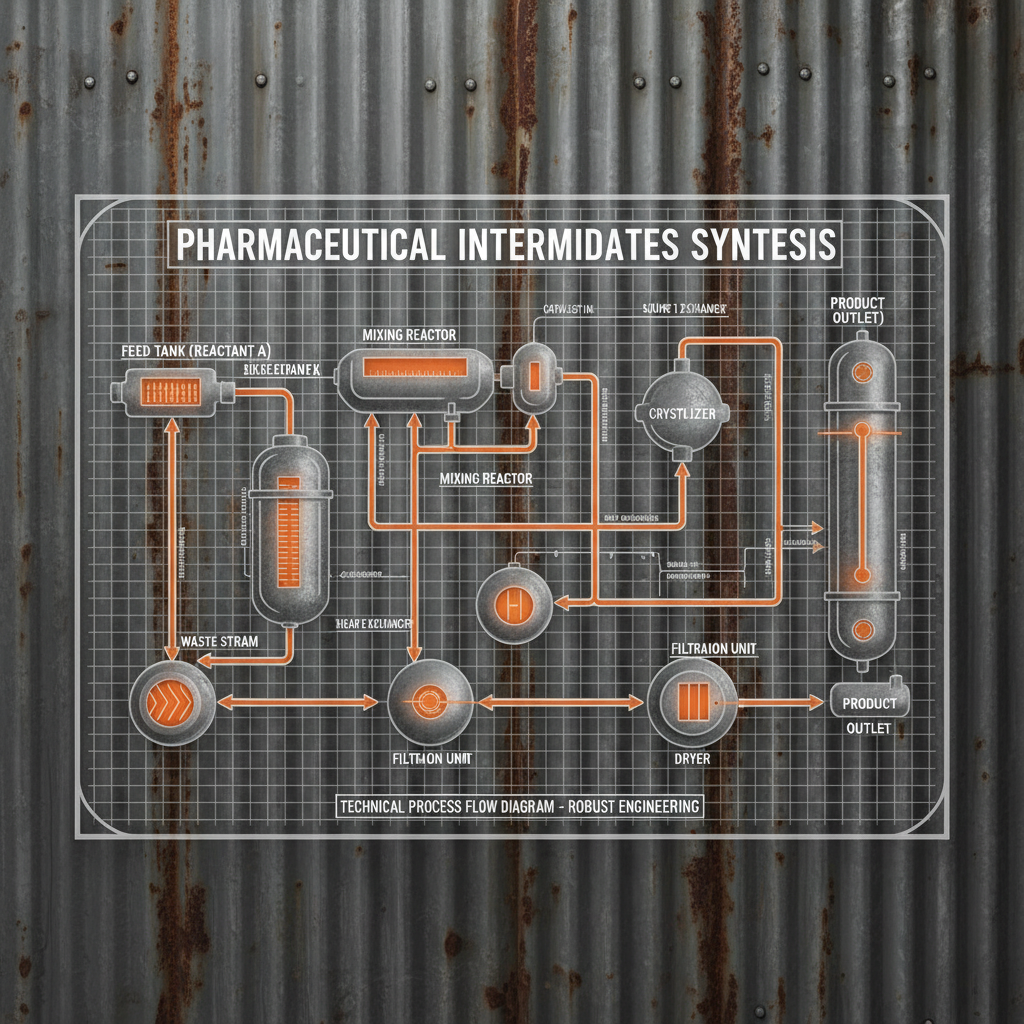
Within the pharmaceutical sector, particularly in the synthesis of intermediates, sodium cumene sulfonate uses are critical for managing the solubility of organic precursors in aqueous reaction media. This application is widely utilized across North America and Europe to ensure the high purity levels required for FDA and EMA compliance, reducing the need for hazardous organic co-solvents.
Efficiency Ratings of Sodium Cumene Sulfonate Uses across Industries
Long-Term Value and Strategic Advantages
The long-term value of integrating sodium cumene sulfonate uses into a product line lies in the increase of product reliability and trust. For a manufacturer, providing a product that does not separate over a two-year shelf life—regardless of temperature fluctuations during shipping—builds immense brand loyalty and reduces the cost of returns and replacements.
Beyond the logical benefits of stability, there is an emotional angle of safety and innovation. In the pharmaceutical field, the precision afforded by SCS allows for the development of more effective drug delivery systems. This innovation doesn't just represent a technical win; it represents a commitment to patient health and the dignity of high-quality medical care, ensuring that the medicine reaches the patient in its most potent and pure form.
Future Trends and Innovations in Hydrotrope Technology
As the industry pivots toward digitalization and automation, sodium cumene sulfonate uses are being reimagined through the lens of "Smart Formulations." We are seeing a trend where AI-driven molecular modeling is used to determine the exact minimum concentration of SCS required to maintain stability, reducing chemical waste and maximizing cost-efficiency in real-time.
Another significant trend is the move toward bio-based precursors for SCS production. The goal is to maintain the exceptional performance of sodium cumene sulfonate uses while sourcing the cumene backbone from renewable biological feeds rather than petroleum. This evolution is crucial for companies aiming for "Net Zero" targets by 2050.
Furthermore, the integration of SCS into advanced nano-emulsions is opening new doors in the pharmaceutical industry. By controlling the interface between oil and water at a microscopic level, researchers are exploring how SCS can help stabilize nano-carriers for targeted drug delivery, potentially revolutionizing the treatment of complex diseases.
Common Challenges and Professional Solutions
One common challenge in the application of sodium cumene sulfonate uses is the potential for "over-coupling," where too much hydrotrope can actually decrease the cleaning efficiency of the primary surfactants. To solve this, expert chemists recommend the use of phased titration and stability testing at extreme temperatures (freeze-thaw cycles) to find the precise "sweet spot" for the concentration.
Another limitation is the sensitivity of some formulations to the purity of the SCS used. Impurities in low-grade sodium cumene sulfonate can lead to discoloration or unwanted odors in the final product. The professional solution is to source high-purity, pharmaceutical-grade SCS and implement strict Quality Control (QC) using High-Performance Liquid Chromatography (HPLC) to ensure consistency.
Lastly, managing the environmental runoff of sulfonate-based products remains a concern. Innovative companies are overcoming this by designing "closed-loop" recovery systems in industrial plants, where sodium cumene sulfonate uses are optimized for easier biodegradability or recovery through membrane filtration, thus aligning industrial productivity with ecological stewardship.
Comparative Analysis of SCS Performance in Various Formulations
| Formulation Type |
Solubility Improvement |
Viscosity Reduction |
Stability Score (1-10) |
| Liquid Detergent |
High |
Significant |
9 |
| Pharma Intermediate |
Very High |
Moderate |
10 |
| Industrial Degreaser |
High |
High |
8 |
| Agricultural Spray |
Moderate |
Moderate |
7 |
| Textile Auxiliaries |
Moderate |
Low |
7 |
| Metal Working Fluid |
High |
High |
8 |
FAQS
In the pharmaceutical sector, sodium cumene sulfonate is primarily used as a hydrotrope to increase the solubility of hydrophobic drug intermediates in aqueous media. This allows for more efficient synthesis, reduces the need for toxic organic solvents, and ensures that the resulting API is produced with high consistency and purity, which is critical for regulatory approval.
While surfactants primarily lower surface tension to create foams or emulsify oils, sodium cumene sulfonate uses focus on "hydrotropy." It increases the solubility of other surfactants or organic compounds without significantly altering the surface tension or creating excessive foam, making it ideal for products where clarity and stability are more important than foaming.
Yes, significantly. By enabling the creation of highly concentrated liquid formulations that remain stable and pourable, SCS allows manufacturers to ship less water and more active ingredients per container. This reduces the number of shipments required, lowers fuel consumption, and decreases overall logistics expenses.
Sodium cumene sulfonate is generally considered safe when used according to standard industrial safety protocols. It is widely used in consumer products like laundry detergents. However, professionals should always consult the SDS (Safety Data Sheet) for proper handling, personal protective equipment (PPE), and environmental disposal guidelines.
Adding excessive amounts can lead to "over-coupling," which may potentially decrease the cleaning efficiency of the primary surfactants or alter the viscosity unexpectedly. The key is to perform a solubility curve analysis to determine the minimum effective concentration required to maintain a clear, single-phase solution.
Current innovation is focusing on bio-derived cumene sulfonates. While the chemical function remains the same, the source materials are shifted from petrochemicals to plant-based precursors. This ensures that the performance of sodium cumene sulfonate uses is maintained while drastically improving the product's sustainability profile.
Conclusion
In summary, sodium cumene sulfonate uses span a vast array of industrial applications, from the precision required in pharmaceutical intermediate synthesis to the robustness needed for industrial cleaning agents. By serving as a critical hydrotrope, SCS ensures formulation stability, reduces the reliance on hazardous solvents, and optimizes the logistics of concentrated chemical products, thereby providing immense economic and operational value.
Looking forward, the integration of sustainable sourcing and AI-driven formulation will only enhance the significance of this versatile compound. Manufacturers who prioritize high-purity SCS and invest in precise coupling strategies will not only achieve better product quality but also lead the way in green chemistry. We invite you to explore our professional chemical solutions and optimize your formulations today. Visit our website: www.kxdchem.com