

Inside the supply chain: α‑Ketoleucine Calcium for clinical and nutrition formulators
If you work in medical nutrition or specialty sports formulations, you’ve likely heard rumblings about α-ketoleucine calcium. To be honest, the attention is deserved: the calcium salt of the keto analogue of leucine keeps showing up in renal-support blends and precision nutrition premixes. Below I’ve pulled together field notes, lab specs, and a few candid remarks from buyers who’ve been hands-on with this ingredient.
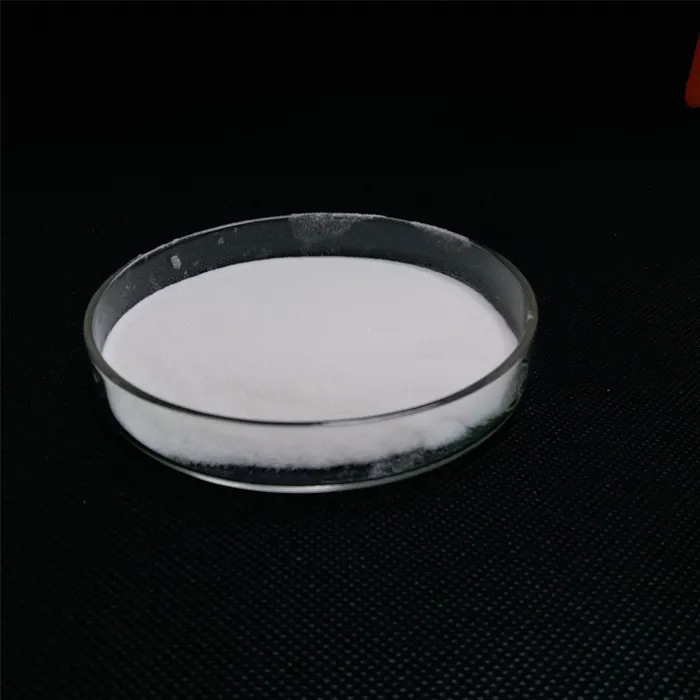
What it is and why the market cares
In fact, α-ketoleucine calcium is increasingly specified in low-protein diet support and keto-analogue tablets, often paired with other keto acids. Two currents drive demand: (1) tightening quality expectations from hospital nutrition programs and (2) sports brands flirting with cleaner nitrogen management in high-protein stacks. It seems that buyers want predictable compression behavior and low-odor material—little things that save headaches at scale.
Typical product specifications (COA-style)
| Appearance | White to off‑white crystalline powder |
| Assay (HPLC, on dried basis) | ≥ 98.0% (typical 98.5–99.5%) |
| Calcium content (ICP‑OES) | ≈ 13–15% w/w |
| Loss on drying | ≤ 1.0% |
| pH (1% aq.) | 5.0–7.0 |
| Heavy metals (USP <232>) | Meets limits; Pb ≤ 1 ppm; As ≤ 1 ppm |
| Microbial (USP <61>/<62>) | TAMC ≤ 10³ cfu/g; Yeast/Mold ≤ 10² cfu/g; pathogens absent |
| Particle size (laser D90) | ≤ 150 μm (customizable) |
| Solubility | Freely soluble in water; real‑world use may vary |
| Shelf life | 24 months sealed, 15–25°C, RH ≤ 60%, protect from light |
Process flow and QA checkpoints
Materials: keto‑acid intermediate, CaCO₃/Ca(OH)₂, purified water. Methods: controlled neutralization → crystallization → filtration → vacuum drying → milling → sieve classification. Testing: HPLC assay, ICP‑OES for Ca and elemental impurities (per USP /), KF moisture, FTIR identity, bioburden per USP /, particle size LD. Batch records audited under ISO 9001. Service life testing includes 40°C/75%RH accelerated for 6 weeks—many customers say the powder holds color well, which is nice.
Application scenarios and advantages
- Medical nutrition: keto‑analogue tablet blends on low‑protein regimens (formulators like α-ketoleucine calcium for predictable compression and low odor).
- Sports & performance: research‑driven nitrogen management stacks; pre‑workout premixes.
- Veterinary & feed: precision diets for renal‑support studies (check local regulations).
- R&D: cell metabolism studies; stable calcium contribution without chloride load.
Advantages reported: stable assay, clean taste profile, and, surprisingly, fewer capping events on high‑speed tablet presses when a D90 ≤ 120 μm cut is used.
Vendor landscape (quick comparison)
| Vendor | Origin | Typical assay | Certs | MOQ | Lead time | Customization |
|---|---|---|---|---|---|---|
| KXD Chemical | Xingye St., Dev. Zone, Shijiazhuang, China | ≈ 99% | ISO 9001; HACCP available | 25 kg | 7–14 days | Particle size, granulation, premix |
| Trader A (global) | Multi‑source | ≈ 98% | ISO brokered | 10–50 kg | 2–5 weeks | Limited |
| EU Producer B | EU | ≈ 99% | ISO 9001/14001 | 20–100 kg | 3–6 weeks | Custom docs; higher price |
Customization notes
- Granulation for direct compression (DC grade)
- Fine‑cut micronized (D90 ≈ 80–100 μm) for smoother blends
- Keto‑analogue premix with label‑ready Ca% and nitrogen balance
- Packaging: 25 kg fiber drum with PE liner; nitrogen flush on request
Case snapshots
Case A (China): an OEM tablet house reported tablet hardness up 12% at the same compression force after switching to a DC‑granulated α-ketoleucine calcium; black spot defects dropped below 150 ppm (visual AQL). Case B (EU): a sports brand reformulated a pre‑workout; ICP‑OES showed Ca variation within ±0.3% across three lots—tight enough to skip a re‑blend step, saving one day per batch.
Testing standards, certifications, and compliance
Labs typically reference USP / for elemental impurities, USP / for micro, and ISO 9001 for QMS. Food and medical‑nutrition uses should also check local regulations (e.g., EFSA guidance in the EU). Real‑world documentation from KXD includes full COA, MSDS, and a stability summary on request.
Authoritative citations
- United States Pharmacopeia. General Chapters <232> Elemental Impurities—Limits and <233> Procedures.
- USP. Microbiological Examination of Nonsterile Products: <61> and <62> (latest revision).
- ISO 9001:2015 Quality Management Systems—Requirements.
- EFSA Scientific Committee. Guidance for submission for food additive evaluations, 2012 (and updates).
- Walser M. Ketoanalogues of essential amino acids in chronic kidney care: mechanisms and evidence. Kidney Int. Review.