

Methylurea Market Snapshot, Real-World Specs, and What Buyers Are Actually Asking For
If you source fine chemicals for pharmaceuticals or agro actives, you’ve probably bumped into methylurea more than once. It seems niche, but it quietly underpins a lot of downstream chemistry—dyes, caffeine-related intermediates, and some herbicide syntheses. I’ve visited a few plants in northern China over the years; one cluster that keeps coming up is in Shijiazhuang, specifically Xingye Street in the Economic & Technological Development Zone—precisely where KXD Chemical is based. To be honest, that location matters for logistics and consistency more than most brochures admit.
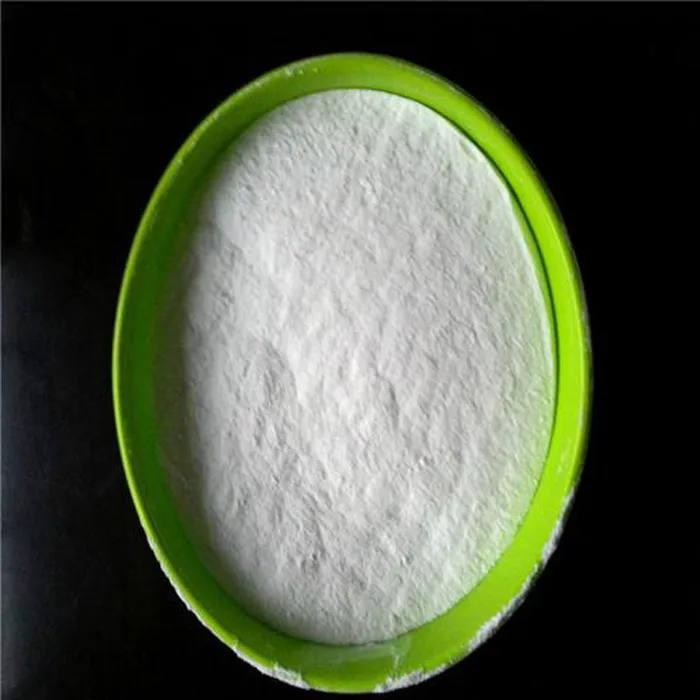
What it is and where it fits
methylurea (often the N‑methyl isomer) is a compact building block: good solubility profile, predictable reactivity, and manageable hazards under standard GMP or ISO environments. Many customers say they like it because it “behaves” across batches—assuming you keep moisture in check.
Typical product specifications (buyer-facing)
| Parameter | Typical Value (≈) | Method / Note |
|---|---|---|
| Assay | ≥ 99.0% | HPLC, in-house SOP aligned with QC best practice |
| Appearance | White to off-white crystalline powder | Visual, per lot COA |
| Melting range | ≈ 100–105 °C | Capillary method |
| Moisture | ≤ 0.2% | Karl Fischer (ASTM E203 / GB/T 6283) |
| Solubility | Freely soluble in water; soluble in alcohols | Bench observation |
| Storage life | 24 months (sealed) | Dry, cool place; avoid sunlight |
| Packaging | 25 kg fiber drum or 20 kg bag | Custom sizes on request |
Where it goes: application scenarios
- Pharmaceutical intermediates (caffeine/theophylline routes, specialty APIs)
- Agrochemical precursors (e.g., steps toward substituted ureas)
- Dyes and resins—where controlled carbamoyl fragments are needed
- Lab-scale synthesis and process development screening
Process flow & quality controls (high level)
Materials: urea derivative, methylating/aminating agent, solvent system, neutralization media. Methods: controlled addition, temperature-managed conversion, and staged crystallization—followed by drying and milling. Testing standards: sampling per GB/T 6678; moisture via ASTM E203 (or GB/T 6283); identity with FTIR; assay by HPLC; residuals by GC where applicable. Service life is around 24 months if the liner stays intact. Industries that typically audit this line include pharma intermediates and crop-science formulators, often asking for ISO 9001 and REACH documentation.
Vendor landscape: what buyers compare
| Vendor | Purity (typ.) | MOQ | Lead Time | Compliance / Docs | Notes |
|---|---|---|---|---|---|
| KXD Chemical (Shijiazhuang) | ≥99.0% | 25 kg | 7–15 days ex-works | ISO 9001; GHS SDS; REACH-ready | Factory-direct, customization available |
| Global Trading House A | ≈98.5–99.0% | 100 kg | 2–4 weeks | Basic COA; SDS on request | Convenient but less flexible |
| Local Distributor (var.) | ≈98–99% | As low as 5–10 kg | Stock-dependent | COA; mixed origins | Great for trials; variable sources |
Customization and paperwork
KXD will tweak particle size (fine powder vs. granular), moisture caps (≤0.1% for hygroscopic-sensitive processes), and drum linings. Certifications typically include ISO 9001:2015, GHS-compliant SDS, and REACH dossiers for EU shipments. For some buyers, a third-party lot verification (SGS/Intertek) is arranged—real-world use may vary by destination.
Mini case studies
- Agro intermediate plant (EU): tightened moisture to ≤0.08% and saw a 1.2% yield bump downstream; HPLC assay averaged 99.2% across 5 lots.
- Pharma intermediate maker (India): switched to 25 kg fiber drums with antistatic liners; caking complaints dropped to near-zero in monsoon months.
Customer note: “Surprisingly consistent. We expected a little drift in melting point with the summer heat, but it held steady—nice job,” one QA manager told me last quarter.
Origin: Xingye Street, Economic & Technological Development Zone, Shijiazhuang, China.
Authoritative citations
- PubChem Compound Summary: N‑Methylurea. https://pubchem.ncbi.nlm.nih.gov/
- ISO 9001:2015 Quality Management Systems. https://www.iso.org/standard/62085.html
- GB/T 6678-2003 General Principles for Sampling Chemical Products. http://openstd.samr.gov.cn/
- ASTM E203 Karl Fischer Method for Water in Organic Liquids. https://www.astm.org/e0203