The global shift toward proactive health management has fundamentally altered the demand for high-purity raw materials used in the wellness sector. As consumers move beyond general vitamins toward targeted physiological support, the precision of the chemical precursors used in formulation becomes the primary determinant of product efficacy.
Maintaining structural integrity and chemical purity in active ingredients is no longer a luxury but a regulatory and functional necessity. From pharmaceutical-grade intermediates to specialized nutritional additives, the bridge between raw chemical synthesis and a finished dietary supplement product requires rigorous quality control and a deep understanding of molecular stability.
This analysis explores the technical intersection of pharmaceutical intermediate manufacturing and the nutritional supplement industry, examining how precision chemistry drives the next generation of health-optimizing compounds.


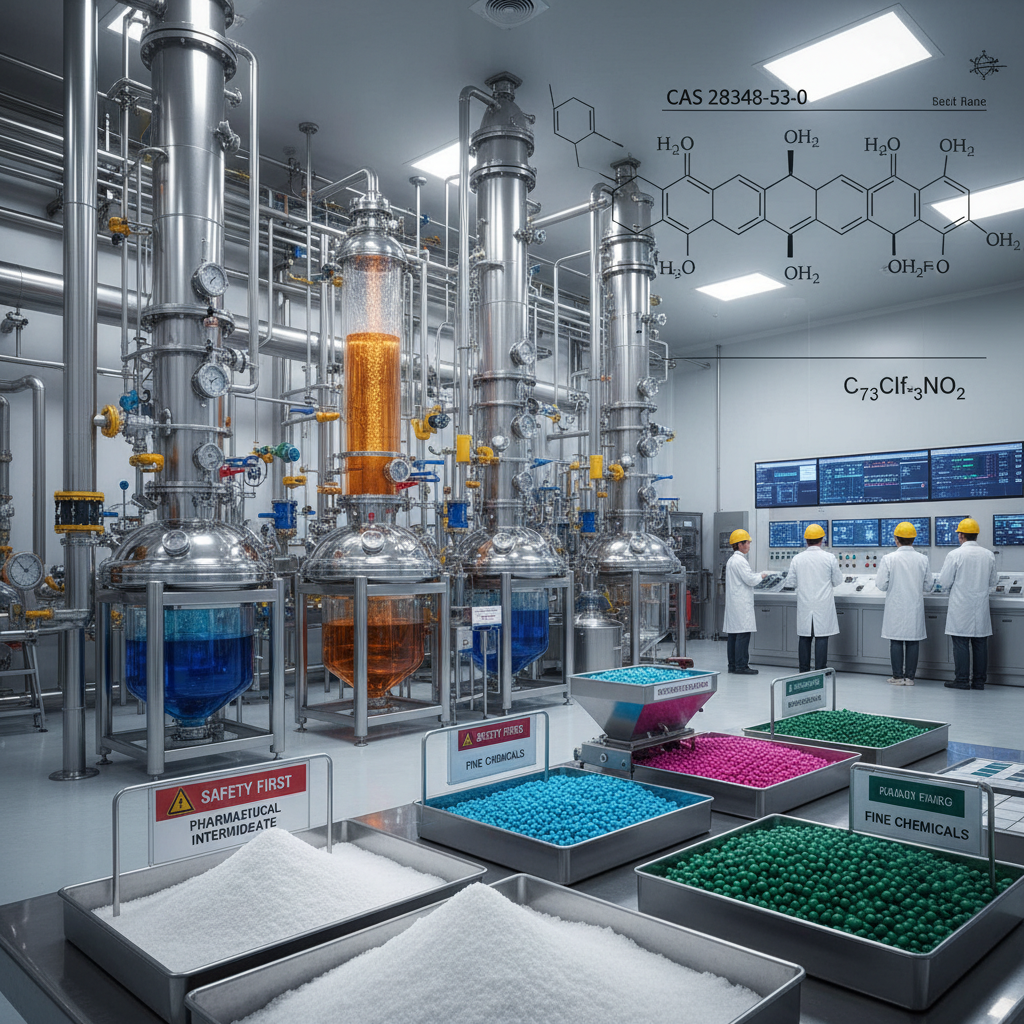
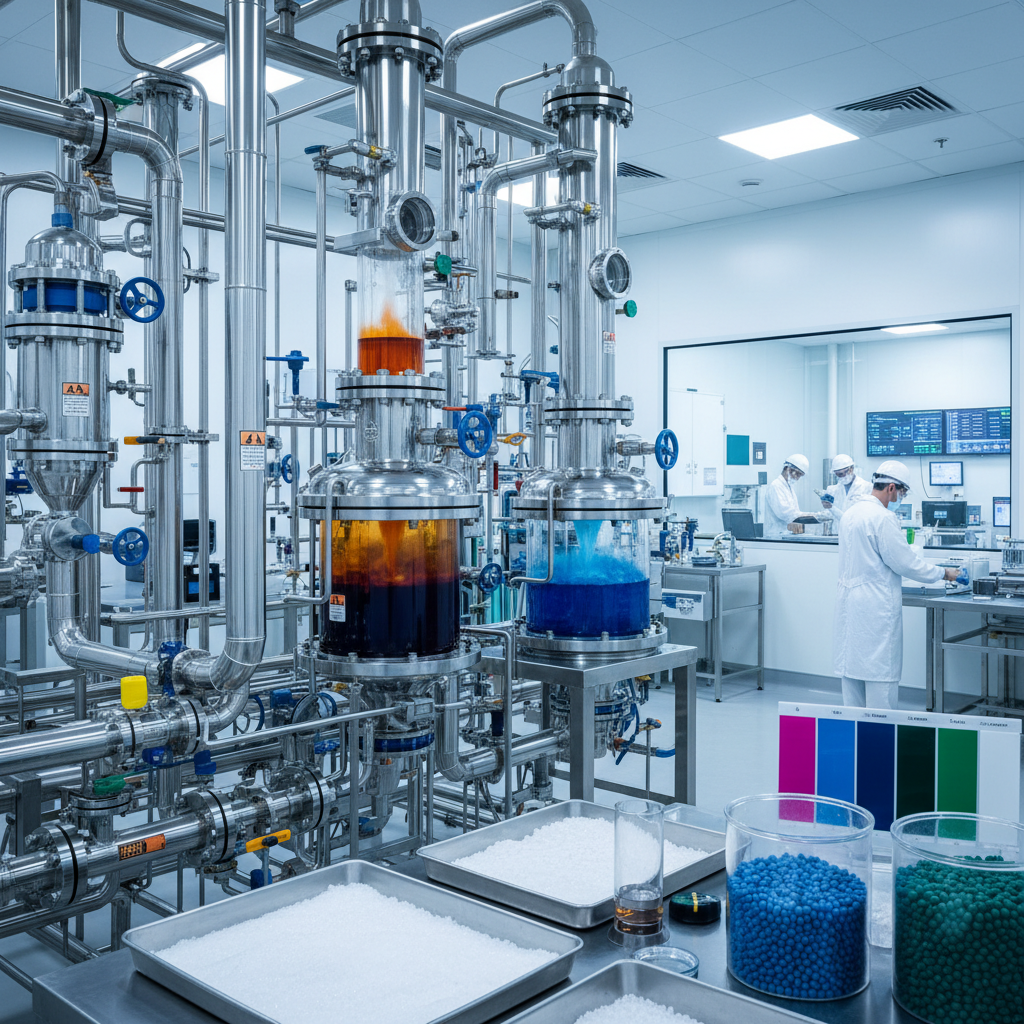
The boundary between pharmaceutical intermediates and the components of a high-end dietary supplement product has become increasingly porous. Modern nutritional science now utilizes API-level (Active Pharmaceutical Ingredient) synthesis to ensure that additives are not only safe but predictably bioactive.
Companies like Shijiazhuang Kunxiangda Technology Co., Ltd. exemplify this trend by leveraging their expertise in pharmaceutical intermediates—such as the production of 1,3-dimethylurea (DMU) and related uracil derivatives—to supply the raw chemical foundations necessary for complex nutritional formulations.
Stability in the chemical synthesis of nutritional precursors depends on three primary vectors: thermal resistance, pH sensitivity, and oxidation potential. When manufacturing intermediates for the wellness market, the goal is to create a molecule that remains inert during storage but activates efficiently upon ingestion.
For instance, the use of GMP-certified processes ensures that contaminants—which could act as catalysts for degradation—are eliminated. This is critical for ingredients that are sensitive to room temperature or humidity, necessitating specialized shipping and storage protocols, such as maintaining temperatures at -20°C for specific volatile intermediates.
Furthermore, the formulation change request process allows manufacturers to tailor the solubility and stability of the intermediate to the final delivery system, whether it be a capsule, a tablet, or a parenteral nutritional infusion.
In the context of nutritional chemistry, purity is not merely a safety metric but a performance indicator. Impurities in a chemical precursor can compete for receptor binding sites or inhibit the metabolic pathways required for the active ingredient to be absorbed by the body.
High-purity intermediates (≥98%) reduce the metabolic load on the liver and kidneys, ensuring that a higher percentage of the active compound reaches the target systemic site, thereby increasing the overall bioavailability of the final product.
This is particularly evident in compounds like Olprinone hydrochloride, where a purity level of ≥98% is maintained to ensure selective PDE3 inhibition without off-target effects. The precision of the molecular formula and the strict adherence to the Canonical SMILES structure prevent the creation of isomers that could be biologically inactive or harmful.
Evaluating the quality of raw materials for a dietary supplement product often involves a multi-dimensional index. Factors such as solubility, stability, and purity are weighted against the cost of production to determine the optimal precursor for a specific health application.
The following index illustrates the relative value of different purity grades and synthesis methods in terms of their impact on the final product's efficacy and stability.
In a typical industrial setting, a manufacturer evaluating precursors for a cardiovascular-focused supplement would prioritize ingredients with proven positive inotropic and vasodilating effects. The integration of PDE3 inhibitors like Olprinone into clinical-grade nutritional infusions serves as a prime example of how targeted chemistry improves cardiac output after major procedures.
Beyond cardiovascular health, the synthesis of pharmaceutical intermediates supports a wide range of applications, from musculoskeletal support to nervous system modulation. The ability to scale production while maintaining strict GMP certifications allows for the seamless transition from laboratory-scale synthesis to global distribution.
The future of the nutritional supplement industry lies in "precision nutrition," where chemical intermediates are customized to interact with specific genetic markers or metabolic profiles. This will necessitate a move toward more complex, multi-step synthesis processes that can produce highly specific molecular configurations.
We expect to see an increase in the adoption of sustainable chemistry, focusing on reducing the environmental footprint of intermediate production. This includes the development of greener catalysts and the optimization of solvent recovery systems within the manufacturing plant.
As regulatory bodies tighten the requirements for the "FDF List" and API standards, the reliance on professional manufacturers who maintain long-term academic partnerships—such as those with Tsinghua University—will become a critical competitive advantage for brand owners.
Sourcing the right intermediate for a dietary supplement product requires a balanced evaluation of technical specifications and supply chain reliability. A failure in any single parameter—be it purity, stability, or certification—can jeopardize the entire batch of the final product.
Procurement teams must look beyond the price per kilogram and assess the total value, which includes the stability of the molecule over its 4-year shelf life and the manufacturer's ability to provide comprehensive technical data, such as Canonical SMILES and precise molecular weights.
The following framework provides a relative assessment of selection criteria based on the intended use of the final nutritional product.
| Evaluation Factor | General Wellness | Clinical Nutrition | Targeted Therapy |
|---|---|---|---|
| Minimum Purity | ≥ 90% | ≥ 95% | ≥ 98% |
| Certification Req. | ISO Standard | GMP Certified | GMP + CFDA |
| Storage Temp. | Ambient | Cool/Dry | -20°C Stable |
| Bioavailability | Moderate | High | Optimized |
| Stability Period | 1-2 Years | 2-3 Years | ≥ 4 Years |
| Regulatory Risk | Low | Medium | High/Strict |
Pharmaceutical intermediates are synthesized under stricter quality controls, such as GMP standards, and are designed as precursors to active drug substances. They typically possess higher purity levels (often ≥98%) and more rigorous documentation, including precise molecular formulas and stability data, compared to standard nutritional additives which may have broader purity specifications.
High purity ensures that the active ingredient is delivered without interfering contaminants that could cause side effects or reduce the compound's bioavailability. Impurities can act as inhibitors or catalysts for degradation, shortening the product's shelf life and reducing the consistency of the physiological response in the consumer.
Many high-potency intermediates are chemically volatile or sensitive to thermal degradation. Maintaining a storage temperature of -20°C, for example, freezes the molecular state and prevents oxidation or hydrolysis, ensuring the compound remains stable for up to 4 years before it is formulated into a final product.
Yes, manufacturers often allow for formulation change requests. Depending on whether the final product is a powder, a liquid infusion, or a soft-gel capsule, the physical state, solubility, and salt form (e.g., hydrochloride vs. base) of the intermediate can be modified to optimize absorption and stability.
Good Manufacturing Practice (GMP) certification provides an assurance that products are consistently produced and controlled according to quality standards. In the sourcing of materials for wellness products, GMP certification minimizes the risk of cross-contamination and ensures that the technical specifications provided by the manufacturer are accurate and reproducible.
The primary challenges include navigating complex regulatory requirements (like CFDA or FDA compliance), ensuring stable shipping conditions for temperature-sensitive materials, and verifying the authenticity of technical data. Partnering with established firms that have a mature marketing network and academic ties helps mitigate these risks.
The evolution of the dietary supplement product market is inextricably linked to the advancements in pharmaceutical intermediate manufacturing. As the industry pivots toward higher efficacy and precision, the role of the chemical supplier transforms from a simple vendor to a critical technical partner in the health value chain.
By prioritizing purity, stability, and regulatory compliance, manufacturers can ensure that their products not only meet current market demands but are prepared for the rigorous standards of the future. The integration of API-level quality into nutritional science is the only sustainable path toward truly effective, science-backed wellness solutions.