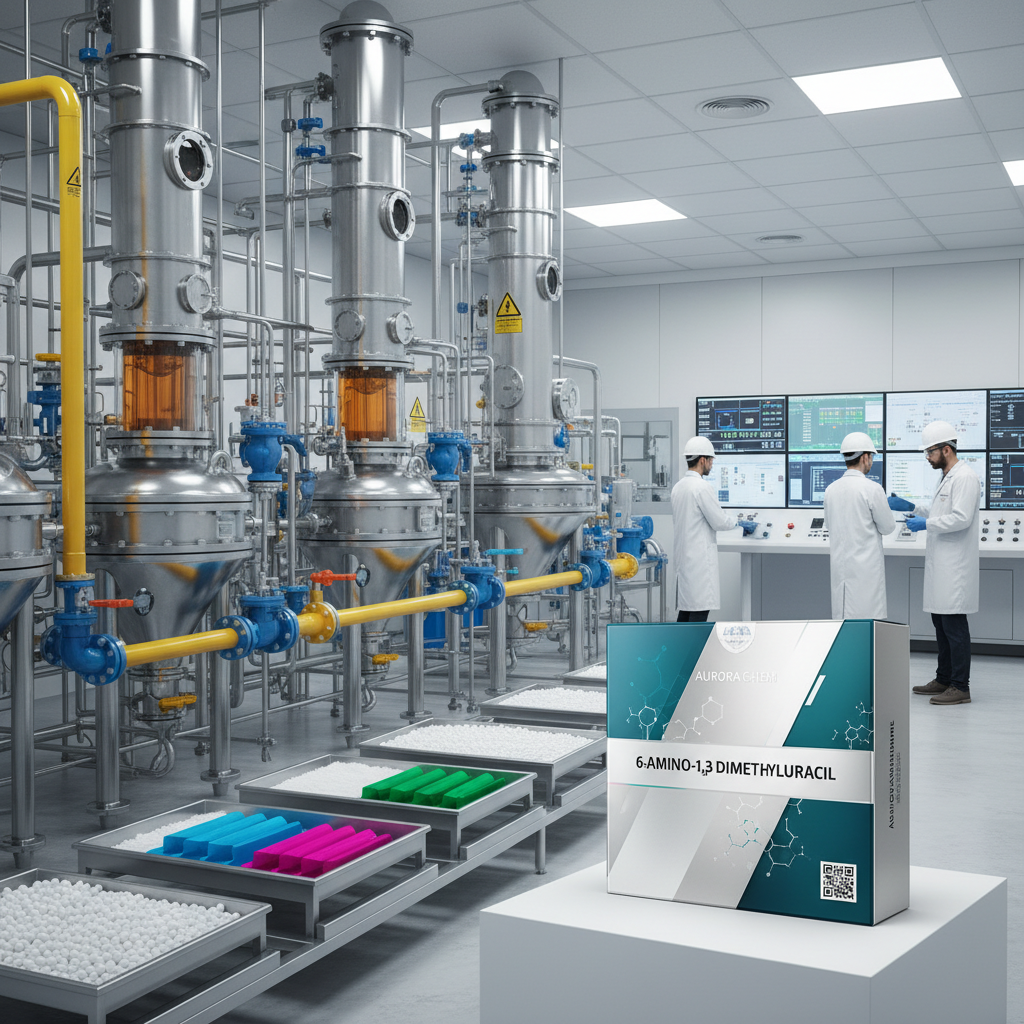
Water treatment chemicals wholesale refers to the bulk procurement and distribution of specialized chemical agents designed to purify water, remove contaminants, and manage mineral deposits in industrial and municipal systems. These chemicals, ranging from coagulants to biocides, are essential for maintaining water quality and ensuring that processed water meets strict safety and operational standards across various sectors.
For many industrial operators, the primary challenge lies in balancing chemical efficiency with cost-effectiveness and environmental compliance. Inconsistent chemical quality or inefficient dosing can lead to equipment corrosion, system downtime, and increased operational costs, making the selection of a reliable wholesale partner a critical business decision for sustainable water management.
This comprehensive guide explores the technical categories of wholesale water treatment chemicals, their specific applications in industrial settings, and the key criteria procurement teams should use to evaluate suppliers. By understanding the interplay between chemical properties and system requirements, organizations can optimize their water treatment workflows and reduce long-term maintenance expenses.

1Core Categories of Wholesale Water Chemicals

The wholesale market for water treatment chemicals is divided into several functional categories. Coagulants and flocculants, such as aluminum sulfate and polyacrylamides, are used to aggregate small particles into larger clusters for easier removal. Disinfectants, including chlorine and ozone precursors, target biological contaminants, while antiscalants and corrosion inhibitors prevent the buildup of mineral deposits in pipes and boilers.
Additionally, pH adjusters like caustic soda or sulfuric acid are crucial for maintaining the optimal environment for other chemicals to function. In high-precision industries, specialized chelating agents are employed to remove heavy metals, ensuring the water meets pharmaceutical or electronic grade standards.
Understanding these categories allows procurement managers to bundle orders effectively, reducing shipping costs and ensuring a synchronized supply chain for all stages of the water treatment process.
2Technical Mechanisms of Water Purification
Chemical water treatment operates on the principles of charge neutralization and oxidation. Coagulants work by neutralizing the negative electrical charges on suspended particles, allowing them to collide and form flocs. This process is vital for removing turbidity and organic matter that could otherwise shield pathogens from disinfectants.
Oxidation processes involve the use of powerful agents to break down complex organic pollutants or kill bacteria. By disrupting the cell walls of microorganisms or oxidizing chemical bonds in pollutants, these agents transform hazardous substances into inert or biodegradable forms.
Corrosion inhibition involves the creation of a microscopic protective layer on the interior surface of metal pipes. This prevents oxygen and minerals from reacting with the metal, thereby extending the lifespan of the infrastructure and reducing the risk of leaks.
3Industrial Application Scenarios
In the power generation sector, boiler water treatment is critical. Using high-purity wholesale chemicals to prevent scale and corrosion ensures that heat transfer remains efficient and prevents catastrophic tube failures. Similar requirements are seen in the textile and dye industries, where water must be softened to ensure dyes bond correctly with fabrics.
Municipal wastewater plants rely on bulk flocculants to handle massive volumes of runoff. The goal is to rapidly separate solids from liquids to meet environmental discharge regulations. In these scenarios, the cost per ton of the chemical becomes a primary driver of the operational budget.
Cooling towers in large commercial buildings use biocides to prevent the growth of Legionella and other algae. Regular wholesale replenishment of these agents is necessary to maintain airflow efficiency and ensure the health and safety of building occupants.
4Operational Efficiency and Performance Metrics
Measuring the success of a water treatment program requires tracking key performance indicators (KPIs). These include the Turbidity Removal Rate, Total Dissolved Solids (TDS) reduction, and the Chemical Consumption Ratio. High-quality wholesale chemicals typically show a higher efficiency per unit of dosage compared to low-grade alternatives.
When comparing standard industry averages with optimized wholesale solutions, the primary difference is found in the stability of the result. Consistent chemical purity prevents "spikes" in water contamination, which reduces the need for emergency corrective dosing and lowers overall chemical waste.
water treatment chemicals wholesale Performance Metrics
The data indicates that utilizing a professional wholesale supply chain improves the reliability of coagulation and disinfection processes. By reducing the variance in chemical activity, plant operators can automate dosing systems with greater confidence and lower manual intervention.
5Procurement Criteria for Bulk Chemicals
Evaluating a wholesale supplier requires looking beyond the price per kilogram. Procurement teams must analyze the Certificate of Analysis (CoA) for each batch to ensure purity and concentration are consistent. Inconsistent concentration can lead to under-treatment or dangerous over-treatment of the water supply.
Logistics and lead times are equally important. Because water treatment is a continuous process, a stock-out of a critical chemical can force a complete plant shutdown. Reliable wholesalers provide flexible delivery schedules and maintain safety stocks for their primary clients.
Finally, consider the technical support offered. The best wholesale partners provide dosing calculations and on-site water analysis to help clients optimize their chemical usage, effectively reducing the total cost of ownership over time.
6Environmental Compliance and Future Trends
The industry is shifting toward "green chemistry." This involves replacing traditional chlorine-based disinfectants with peracetic acid or ozone-based systems to reduce the formation of harmful disinfection by-products (DBPs). Wholesale suppliers are increasingly offering biodegradable polymers as alternatives to synthetic flocculants.
Strict regulations regarding phosphate discharge have also pushed the market toward non-phosphorus antiscalants. Companies that fail to adapt their chemical procurement to these environmental standards face significant fines and reputational damage.
The future of the sector lies in digitalization. Smart dosing systems integrated with real-time sensors allow for "just-in-time" chemical application, drastically reducing waste and ensuring that wholesale chemicals are used at maximum efficiency.
7Comparison of Treatment Approaches
Depending on the target outcome, different chemical combinations are required. For instance, drinking water requires a heavy focus on disinfection and taste, while industrial cooling water prioritizes scale inhibition and bio-fouling control. The following table compares these typical requirements.
Selecting the wrong chemical approach can lead to wasted resources. For example, using a high-strength coagulant in a system that primarily suffers from dissolved mineral scaling will not solve the underlying problem and may actually increase turbidity.
| Application | Primary Chemical | Main Objective | Key Limitation |
|---|---|---|---|
| Alum / Chlorine | Pathogen Removal | DBP Formation | |
| Phosphonates | Scale Prevention | High Temperature Sensitivity | |
| Polyacrylamide | Sludge Dewatering | Sensitivity to pH | |
| Biocides | Algae Control | Corrosivity to Metals | |
| Chelating Agents | Metal Ion Removal | High Cost per Unit | |
| Calcium Hypochlorite | Sanitization | Skin/Eye Irritation |
Ultimately, a successful water treatment strategy relies on a synergistic blend of chemicals and mechanical filtration. By partnering with a diverse wholesale provider, companies can access the full spectrum of these tools to create a resilient and compliant water management system.
Frequently Asked Questions
Conclusion
Effective water management is an ongoing balance between chemical precision and operational economy. By leveraging a professional wholesale supply chain, industries can secure the high-purity agents necessary to protect their infrastructure and ensure environmental compliance, all while optimizing their procurement budgets.
As the industry moves toward more sustainable and digitized solutions, the role of the chemical supplier evolves from a simple vendor to a technical partner. Organizations seeking to improve their water treatment efficiency can review available product information and industrial solutions at www.kxdchem.com.