

What buyers are really asking about Protein iron succinate right now
If you work in Rx or nutraceuticals, you’ve probably seen Protein Iron Succinate pop up in briefs and sourcing chats. It’s not hype; this ferric complex has quietly become a staple for gentle, bioavailable iron in oral solutions and syrups—especially where gastric tolerance and taste-masking matter. Origin-wise, the product featured here is manufactured in Xingye Street, Economic & Technological Development Zone, Shijiazhuang, China, and, to be honest, that industrial cluster has built a solid footprint for compliant, inspected facilities.
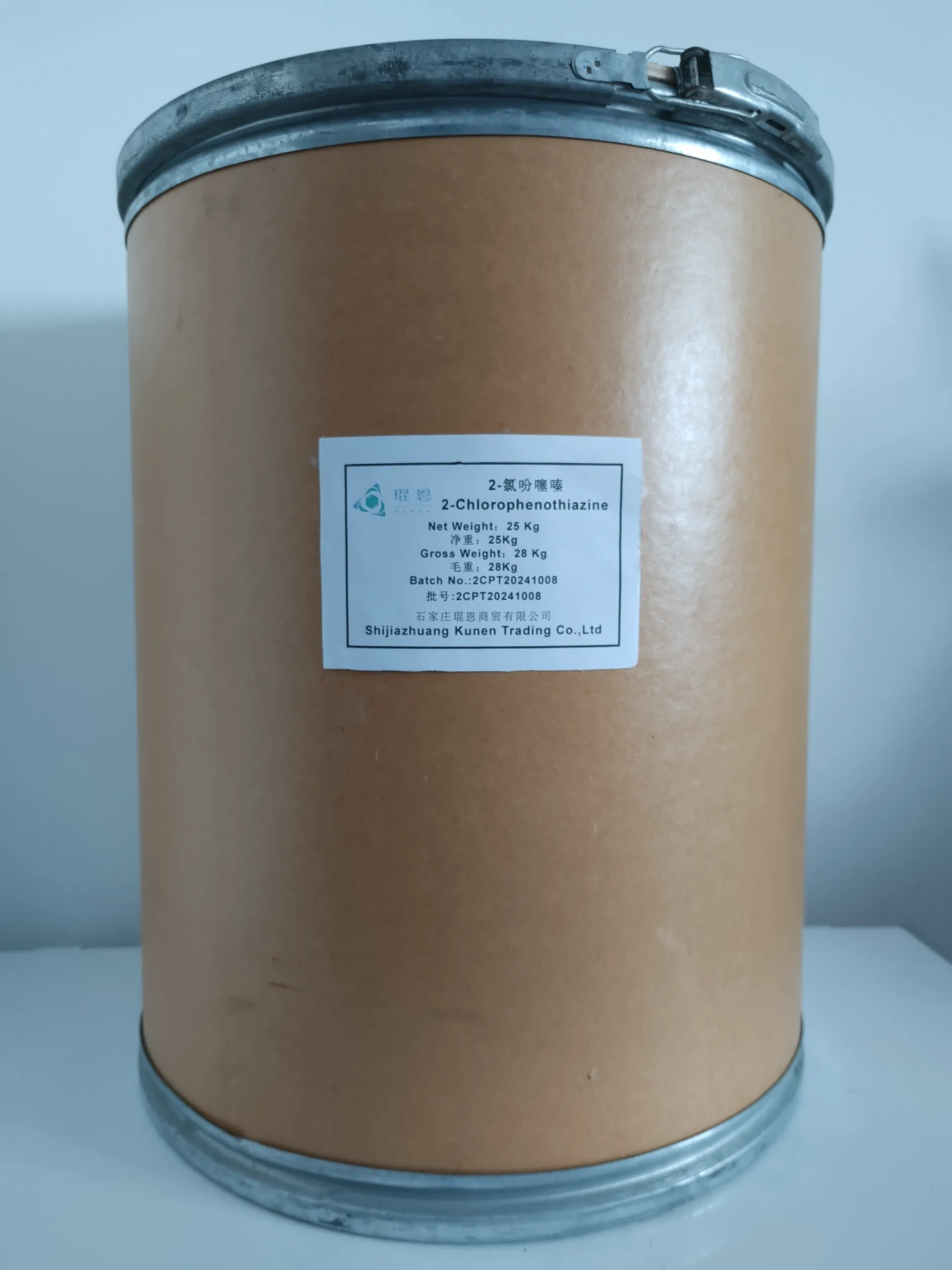
Market trends, briefly
Buyers tell me they’re shifting from simple ferrous salts to Protein Iron Succinate for three reasons: better GI tolerance, less metallic aftertaste, and good stability in acidic syrups. Clean-label pressure is real, so suppliers are offering dairy- or plant-protein options, tighter impurity controls (hello, ICH Q3D), and smaller MOQs for pilot runs. Surprisingly, customization (assay, particle size, premix flavors) is now a differentiator rather than a nice-to-have.
Technical specifications (typical)
| Product | Protein Iron Succinate (Iron proteinsuccinylate) |
| CAS | 93615-44-2 |
| Elemental iron (assay) | ≈ 7–9% w/w (real-world use may vary by lot; confirm on CoA) |
| Appearance | Brown-reddish powder; dispersible |
| Solubility/dispersion | Forms stable dispersion in water; designed for oral solutions/syrups |
| pH (1% aq.) | ≈ 3.5–5.5 |
| Heavy metals | Per ICH Q3D/USP <232>; ICP-OES/ICP-MS |
| Microbial limits | USP <61>/<62> compliant |
| Packaging | 25 kg fiber drum with inner liner (common); other sizes on request |
| Shelf life | 24 months unopened, cool/dry storage (verify on label) |
Process flow (how it’s typically made)
- Materials: food-grade protein (often succinylated milk protein), ferric ions, succinic anhydride, purified water.
- Methods: controlled succinylation of protein; ferric complexation; pH tuning; purification; spray-drying.
- Testing: iron assay by ICP-OES; loss on drying; pH; microbiology per USP <61>/<62>; elemental impurities per ICH Q3D.
- Release: CoA, TDS, MSDS; sometimes Halal/Kosher on request.
- Service life in formulations: stable in acidic syrups; typical finished-product shelf life ≈ 24 months depending on matrix.
- Industries: pharmaceuticals (Rx/OTC), nutraceuticals, fortified beverages, and, occasionally, veterinary supplements.
Application scenarios and advantages
- Oral solutions and syrups aimed at iron deficiency contexts, including pregnancy and lactation, under medical supervision.
- Stick packs and drops where taste-masking is critical.
- Advantages: gentler GI profile reported by many customers, less metallic taste, stable in low pH, and good bioavailability.
Vendor snapshot (what buyers compare)
| Vendor | Compliance | MOQ | Lead time | Customization | Docs |
|---|---|---|---|---|---|
| KXD Chemical (Shijiazhuang, CN) | ISO 9001/22000; HACCP; batch CoA | ≈ 25 kg | 2–4 weeks ex-works | Assay, particle size, premix flavors | TDS, MSDS, CoA; stability notes |
| EU GMP manufacturer | GMP; EP/USP testing | ≥ 50 kg | 4–8 weeks | Limited SKUs | DMF-style dossier (on NDA) |
| Global trader | Varies by lot | 10–25 kg | Stock-dependent | Minimal | Basic CoA |
Customization and QA
With Protein Iron Succinate, teams usually tweak iron assay (to hit dosage targets), dispersion profile, and excipient blend for syrup clarity. Recommended tests: accelerated stability at 40°C/75% RH, Fe assay drift over 3–6 months, and microbial robustness after flavoring. Certifications often requested: ISO 9001/22000, HACCP, and optional Halal/Kosher. Audit reports under NDA are common in pharma supply chains.
Mini case notes
- SEA prenatal syrup launch: reformulated with Protein Iron Succinate; consumer feedback pointed to “less stomach upset.” QC data: Fe assay 8.2% (ICP-OES), total plate count < 10 cfu/g; 6‑month accel. stability passed specs.
- EU OTC drops: switched to complexed iron to reduce metallic taste; redissolution time dropped to ≈ 60 s with optimized particle size, according to the lab lead I spoke with.
Note: Product is commonly indicated for implicit or explicit iron deficiency anemia linked to low intake/absorption, blood loss, infection, or periods like pregnancy and lactation. Use per local regulations and medical guidance.
Citations
- ICH Q3D(R2) Guideline for Elemental Impurities. https://www.ich.org/page/q3d-guideline
- USP General Chapters: Elemental Impurities—Limits; Elemental Impurities—Procedures; / Microbiological Examination. https://www.usp.org
- WHO Guideline: Daily iron supplementation in pregnant women and adult women. https://www.who.int/publications
- European Pharmacopoeia, General texts and compliance framework. https://www.edqm.eu/en/european-pharmacopoeia-ph-eur