

In the intricate world of pharmaceutical manufacturing, the journey from a conceptual molecule to a life-saving drug is paved with specialized building blocks. Among these unsung heroes, 1,3-dimethylurea (CAS 96-31-1) stands out as a versatile and critical pharmaceutical intermediate. This compound, a simple dimethyl derivative of urea, serves as a foundational pillar in synthesizing more complex, bioactive molecules. Its reliability and specific reactivity make it an indispensable tool for chemists designing the active pharmaceutical ingredients (APIs) of tomorrow. As we delve deeper into its roles, we also uncover its surprising utility in other industries, showcasing the remarkable breadth of this essential chemical.
Understanding the Core: What is 1,3-Dimethylurea CAS 96-31-1?
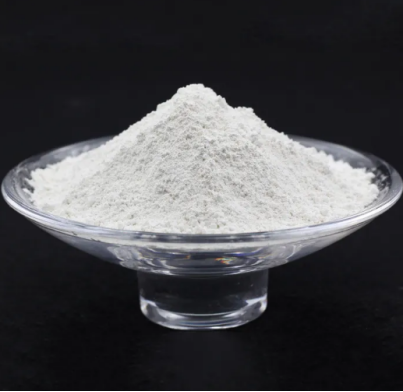
At its core, 1,3-dimethylurea (CAS 96-31-1) is an organic compound with the formula C3H8N2O. It presents as a white to colorless crystalline powder, characterized by its stability and specific reactivity profile. The CAS 96-31-1 is its unique identifier in the global chemical registry, ensuring precision and clarity in international trade and research. Beyond its role as a pharmaceutical intermediate, 1,3-dimethylurea possesses properties that make it valuable across various sectors. Its technical parameters are foundational to its application:
|
Parameter |
Description |
|
Product Name |
N,N’-Dimethyl urea; 1,3-Dimethylurea; Dimethylurea |
|
Other Names |
Dimethyl urea; N,N’-dimethyl-Urea; sym-dimethylurea |
|
CAS No. |
96-31-1 |
|
Molecular Formula |
C3H8N2O |
|
Molecular Weight |
88.1 |
|
Key Uses |
Pharmaceutical intermediate for APIs like caffeine, theophylline; Building block for formaldehyde-free textile resins (crosslinking agent); Additive for pigments and plastics. |
|
Key Properties |
Serves as a vital building block for active ingredients; Imparts excellent wrinkle-resistance and anti-shrinkage to textiles; Used in formaldehyde-free formulations with minimal odor. |
|
Package |
25kg/bag; 12 MT per 20'FCL (with pallets). |
|
Storage |
Store in a dry, ventilated place away from direct sunlight. |
The Vital Role of 1,3-Dimethylurea as a Pharmaceutical Intermediate
The true significance of 1,3-dimethylurea CAS 96-31-1 shines in its application as a high-value pharmaceutical intermediate. Its molecular structure acts as a key precursor in the synthesis of several important compounds. Most notably, it is instrumental in the production of methylxanthines such as theophylline (used in asthma and COPD medications) and caffeine. The dimethylurea moiety is incorporated into the heterocyclic ring structure of these molecules, a transformation that is critical to their biological activity.
Furthermore, 1,3-dimethylurea serves as a starting material or intermediate for other sophisticated chemical entities like N,N`-acetyl dimethyl urea and 6-AMINO-1,3-DIMETHYL-5-NITROSOURACIL. This versatility underscores its importance in medicinal chemistry. When sourcing a pharmaceutical intermediate, consistency in quality, purity, and supply chain reliability are non-negotiable. This is where partnering with a dedicated manufacturer becomes paramount for the success of drug development and production projects.
Commitment to Excellence: Manufacturing 1,3-Dimethylurea CAS 96-31-1
Producing a critical pharmaceutical intermediate like 1,3-dimethylurea CAS 96-31-1 to the exacting standards required by the global market demands more than just industrial capability—it requires a philosophy rooted in quality, innovation, and partnership. Shijiazhuang Kunxiangda Technology Co., Ltd. embodies this philosophy. Established in 2011 and situated in the Shijiazhuang Economic and Technological Development Zone, the company has dedicated itself to becoming a leader in fine chemical manufacturing.
With a sprawling 50-acre facility and a workforce of over 300, including a core team of technical staff, Kunxiangda specializes in the production of 1,3-dimethylurea (DMU) and a portfolio of related intermediates. Their expertise is not confined to production alone; a professional procurement team assists international clients in navigating the complex Chinese chemical market. The company’s decade-long journey is built on a reputation for integrity and reliability, earning recognition from a global clientele across Europe, South America, Asia, and the Middle East.
A cornerstone of their commitment to advancement is a strategic long-term cooperation with prestigious institutions like Tsinghua University and Hebei University of Science and Technology. This collaboration is focused on continuously refining production technologies for products like 1,3-dimethylurea CAS 96-31-1, aiming to reduce costs, enhance quality, and maintain a leading technical position. By adhering to a harmony, integrity, and win-win development concept, Kunxiangda strives to be the most reliable partner for its customers, building towards becoming a world-class fine chemical enterprise.
FAQs About 1,3-Dimethylurea CAS 96-31-1
What are the key advantages of using your 1,3-dimethylurea as a pharmaceutical intermediate?
Our 1,3-dimethylurea CAS 96-31-1 is manufactured with a stringent focus on the high-purity requirements of the pharmaceutical industry. The advantages include exceptional batch-to-batch consistency, optimal reactivity for downstream synthesis (such as in theophylline production), and a reliable supply chain backed by in-house production expertise. We understand that the quality of the intermediate directly impacts your API, and we ensure our product meets the most demanding specifications.
How does the CAS 96-31-1 guarantee for 1,3-dimethylurea ensure product consistency?
The CAS 96-31-1 is a universal, unique identifier for 1,3-dimethylurea. By specifying this CAS, you are guaranteed to receive the exact chemical compound with the defined molecular structure and properties required for your synthesis. Our Quality Control processes are built around this identity, ensuring every batch conforms to the precise standards associated with CAS 96-31-1, providing you with the consistency vital for pharmaceutical R&D and manufacturing.
Can you support custom specifications for 1,3-dimethylurea pharmaceutical intermediate orders?
Yes, as a specialized manufacturer, we offer flexibility. We can discuss custom specifications regarding particle size, enhanced purity grades, or specific packaging for your pharmaceutical intermediate needs. Our technical team works closely with clients to understand their unique process requirements for 1,3-dimethylurea and tailor solutions that integrate seamlessly into their production pipeline.
What quality control measures are in place for your pharmaceutical intermediate production?
Quality is the life of our enterprise. We implement a rigorous QC system from raw material inspection through every stage of production to final packaging. For 1,3-dimethylurea CAS 96-31-1, this includes advanced analytical testing to confirm identity, purity, and absence of impurities. Our commitment is to provide documentation and quality assurance that supports your regulatory and compliance needs.
How does your expertise in 1,3-dimethylurea benefit my supply chain for intermediates?
Partnering with us as your 1,3-dimethylurea supplier provides supply chain security and technical partnership. As the direct manufacturer, we control production, ensuring stable inventory and competitive pricing. Our decade of experience and logistics network enable efficient export to dozens of countries. Moreover, our ongoing R&D cooperation with universities means you are sourcing a pharmaceutical intermediate from a partner committed to technological leadership and continuous improvement.
In conclusion, 1,3-dimethylurea CAS 96-31-1 is far more than a simple chemical; it is a cornerstone of modern pharmaceutical synthesis and innovative textile applications. Choosing the right partner to supply this essential pharmaceutical intermediate is a critical strategic decision. It involves selecting a collaborator whose commitment to quality, innovation, and reliability matches your own standards for excellence.