

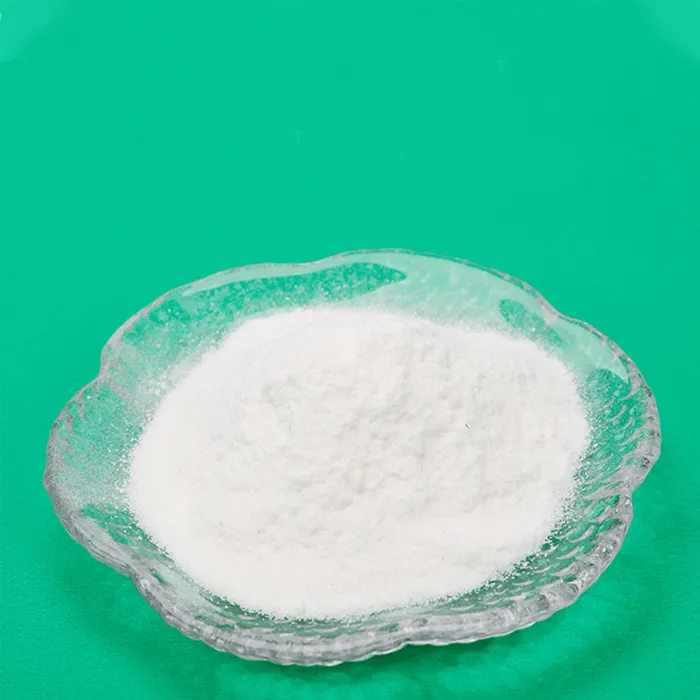
Polyacrylamide (PAM) is a high-performance, water-soluble polymer widely utilized across various industrial sectors for its exceptional flocculation and thickening properties. As a leading manufacturer in China, Shijiazhuang Kunxiangda Technology Co., Ltd. provides premium grade PAM that effectively reduces friction between liquids and facilitates the rapid separation of suspended solids from aqueous solutions, making it an indispensable agent in modern chemical processing.
Engineered through the precise polymerization of acrylamide monomers via free-radical initiators, our Polyacrylamide is available in four specialized ionic variants—anionic, cationic, non-ionic, and amphoteric—to meet diverse chemical requirements. Whether in granular, liquid emulsion, tablet, or block forms, our PAM solutions are designed for optimal stability, ease of transport, and superior operational efficiency in water treatment and drilling applications.
Detailed Parameters
| Chemical Name | Polyacrylamide (PAM) | CAS Number | 9003-05-8 |
|---|---|---|---|
| EINECS Number | 231-545-4 | Appearance | White Powder |
| Molecular Formula | (C3H5NO)n | Chemical Class | Acrylates and Methacrylates |
| Ionic Types | Anionic, Cationic, Non-ionic, Amphoteric | Solubility | Water-soluble / Organic Solvent Insoluble |
| Packing Standard | 25kg per bag | Application Field | Water Treatment & Drilling Fluids |
Key Advantages
High Purity Grade
Manufactured using advanced polymerization processes to ensure consistent quality and high chemical stability.
Extended Shelf Life
Our dry granular forms offer superior storage stability and longer life cycles compared to liquid alternatives.
Versatile Ionicity
Available in four ionic charges to target specific organic or inorganic suspensions across pH levels.
Rapid Flocculation
Significantly accelerates the settling of suspended particles, improving the efficiency of liquid-solid separation.
Reduced Friction
Expertly reduces the friction resistance between liquids, optimizing flow rates in industrial piping.
Flexible Forms
Supplied in powder, liquid emulsion, tablets, or blocks to fit your specific metering and dosing equipment.
Product Gallery
Management Platforms
Bulk Supply Chain
Optimized logistics for large-scale industrial chemical distribution worldwide.
Quality Control
Rigorous testing of ionic characteristics to ensure application precision.
Technical Support
Professional guidance on choosing the right PAM type for your specific wastewater.
Inventory Management
Strategic stockpiling of various PAM forms to guarantee rapid lead times.
Custom Packaging
Standard 25kg bags or customized bulk packaging based on client requirements.
Process Optimization
Tailored solutions for drilling fluid stability and water treatment efficiency.
Investment Return Comparison
| Metric | Standard PAM | Kunxiangda PAM | Performance Gain |
|---|---|---|---|
| Flocculation Speed | Moderate | Rapid | +30% Efficiency |
| Storage Stability | Standard | Enhanced | Longer Life |
| Solubility Rate | Average | High | Reduced Agitation |
| Dosage Cost | High | Optimized | Lower OpEx |
| Purity Level | Basic | Industrial Grade | Superior Stability |
Frequently Asked Questions
Anionic PAM is best for inorganic suspensions with positive charges in neutral or basic solutions. Cationic PAM is ideal for suspensions containing organic substances with negative charges.
Dry polyacrylamide is easier to store and transport, has a significantly longer shelf life, and allows for more precise metering into head ditches.
Yes, as a key chemical agent, PAM is often used in the wastewater treatment stages of pharmaceutical and chemical manufacturing to remove impurities.
Non-ionic polyacrylamide is specifically designed for separating mixed organic and inorganic suspensions in environments where the solution is neutral or acidic.
Absolutely. PAM is widely used in drilling fluids to improve viscosity, reduce friction, and stabilize the borehole during extraction processes.
It is synthesized by the polymerization of acrylamide (C3H5NO) dissolved in water, where monomers are linked together via the action of free-radical initiators.
Get Professional Grade Polyacrylamide Solutions Today
Contact UsRead Our Latest News

Nov.03,2026
Ethylene glycol diacetate: buyer questions on specifications, uses and storage
Find answers about ethylene glycol diacetate, including CAS 111-55-7, EGDA content, acidity, moisture, color, refractive index, uses, and storage conditions.
Read More
Oct.28,2026
Comparing Sevoflurane Options: Specifications, Materials and Supplier Documentation
Compare two Sevoflurane API product listings from Shijiazhuang Kunxiangda Technology Co., Ltd. side by side — covering physical-chemical parameters, USP/EP/CP/GMP standards cited, application scope, material compatibility, and supply-chain documentation.
Read More