

Understanding the Role of API in Drug Development & Manufacturing
Active Pharmaceutical Ingredients (APIs) are the biologically active components of a drug product. They are the core substance that produces the intended effects in the body. Sourcing high-quality APIs is crucial for pharmaceutical companies, impacting drug efficacy, safety, and overall quality. This article delves into the importance of APIs, the key considerations when sourcing them, the manufacturing processes involved, and the future trends shaping this critical sector. Understanding the complexities of API sourcing and production is paramount for success in the pharmaceutical industry.
What are Active Pharmaceutical Ingredients (APIs)?
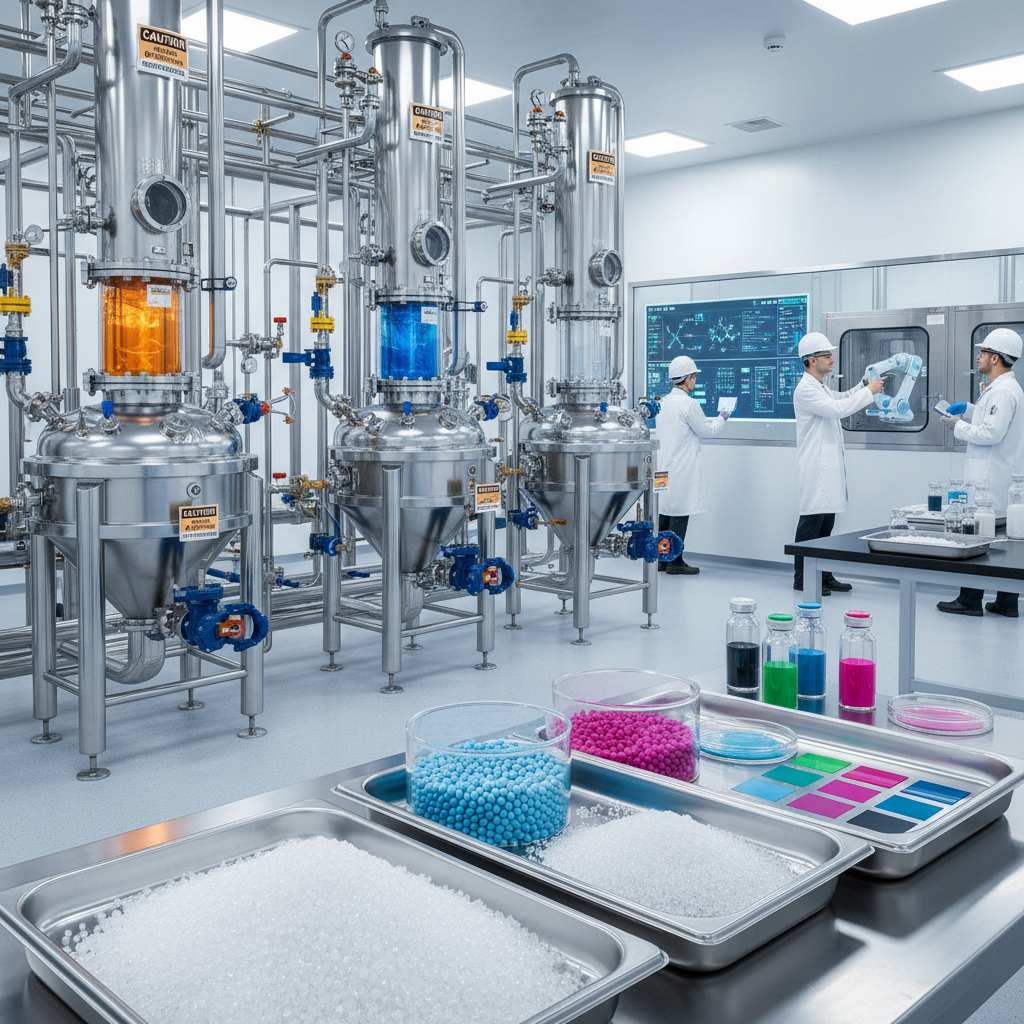
APIs are the substances within any medicine that are pharmacologically active. They are responsible for the desired therapeutic effect. Unlike excipients, which serve as inactive components, APIs are the essential drivers of a drug’s efficacy. APIs can be derived from various sources including fermentation, chemical synthesis, extraction from natural sources, or recombinant technology. The quality, purity, and consistency of an API directly impact the safety and effectiveness of the final drug product. Pharmaceutical companies rely on specialized manufacturers, like KXD Chem, to supply these critical ingredients.
Key Takeaway: APIs are the core active component of a medication, directly influencing its therapeutic effect. Ensuring API quality is paramount to patient safety and drug efficacy.
Sourcing APIs: Key Considerations
Sourcing APIs requires careful consideration. Pharmaceutical companies must assess several factors, including supplier qualifications, regulatory compliance (such as FDA inspections), quality control processes, manufacturing capabilities, and supply chain security. Geographic location, cost, and lead times are also important factors. Due diligence is crucial to ensure the API meets stringent quality standards and is free from contaminants. Reputable suppliers should provide comprehensive documentation, including Certificates of Analysis (COAs) and Drug Master Files (DMFs). Establishing a robust vendor qualification program is vital for minimizing risks and ensuring a consistent supply of high-quality API in drug development.
Essential Sourcing Considerations:
• Supplier Qualifications and Audits
• Regulatory Compliance (FDA, EMA, etc.)
• Quality Control Systems
• Supply Chain Security
API Manufacturing Processes
The manufacturing of APIs is a complex process that often involves multiple stages. Common manufacturing methods include chemical synthesis, fermentation, and extraction. Chemical synthesis involves a series of chemical reactions to build the API molecule from smaller precursor molecules. Fermentation utilizes microorganisms to produce the API. Extraction involves isolating the API from natural sources, like plants or animals. Each method requires precise control of process parameters, rigorous quality control testing, and adherence to Good Manufacturing Practices (GMP). Sophisticated analytical techniques, such as HPLC and mass spectrometry, are employed to ensure purity and identify any potential impurities.
The Impact of Regulatory Requirements on API in Drug Production
The pharmaceutical industry is heavily regulated. APIs are subject to stringent regulatory requirements imposed by agencies such as the FDA (in the United States), EMA (in Europe), and other international regulatory bodies. These regulations aim to ensure the quality, safety, and efficacy of APIs and the final drug products. Compliance with GMP is essential, covering all aspects of API manufacturing, from raw material sourcing to final product release. Maintaining detailed documentation, conducting thorough validation studies, and undergoing regular inspections are critical for demonstrating regulatory compliance. This stringent oversight helps protect public health and maintains the integrity of the pharmaceutical supply chain.
Future Trends in API Development and Manufacturing
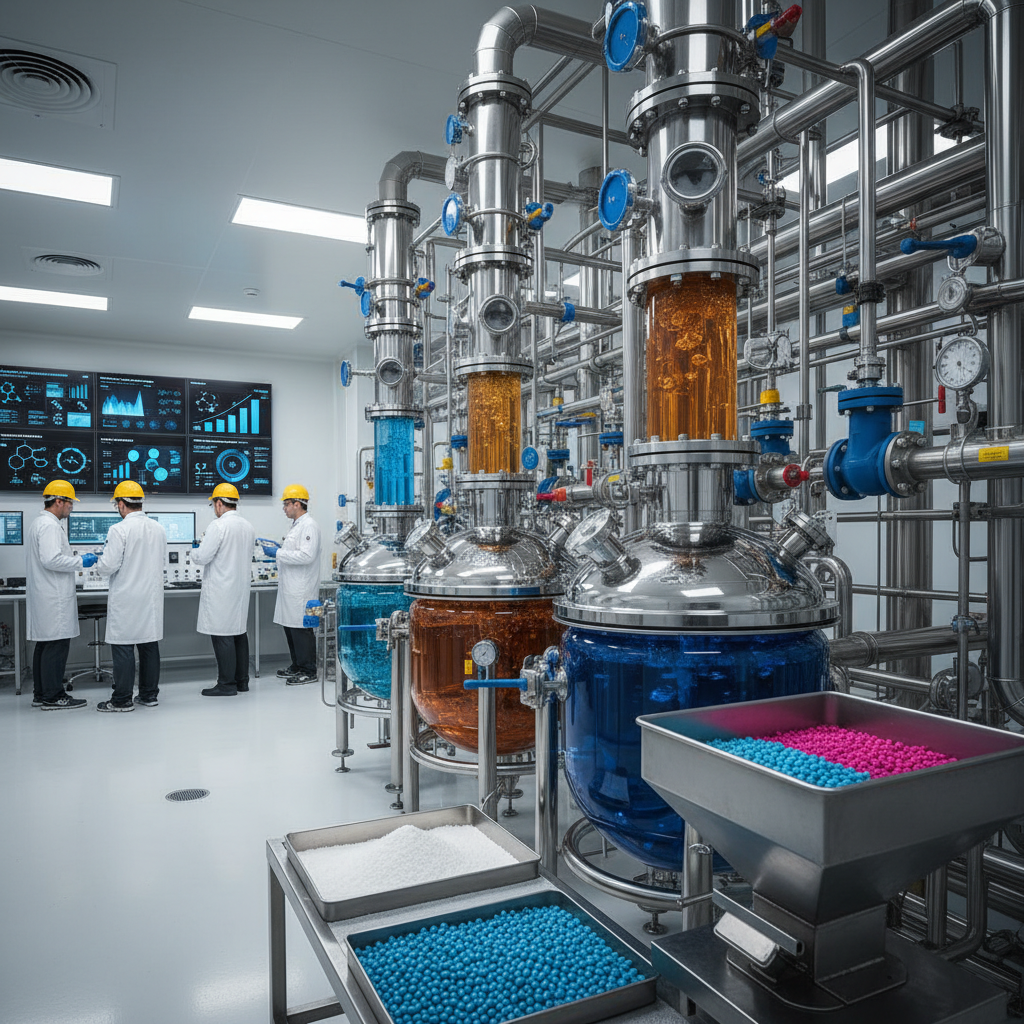
The API landscape is continuously evolving. Several key trends are shaping the future of API development and manufacturing, including continuous manufacturing, flow chemistry, and biocatalysis. Continuous manufacturing offers increased efficiency, reduced costs, and improved quality control. Flow chemistry enables precise control over reaction conditions, enhancing safety and reducing waste. Biocatalysis utilizes enzymes to perform chemical reactions, offering environmentally friendly alternatives to traditional methods. Furthermore, the growing demand for personalized medicine is driving the need for smaller batch sizes and more flexible manufacturing processes. The use of advanced technologies, such as artificial intelligence and machine learning, is also gaining traction, enabling optimized process development and predictive quality control.
Conclusion
The API sector is a vital component of the pharmaceutical industry. Ensuring the quality, safety, and reliable supply of APIs is critical for producing effective and safe medications. By embracing innovation, adhering to stringent regulatory standards, and fostering strong partnerships with reputable suppliers like KXD Chem, the pharmaceutical industry can continue to meet the evolving needs of patients worldwide.
Frequently Asked Questions (FAQs)
What is the difference between an API and an excipient?
An API (Active Pharmaceutical Ingredient) is the biologically active component of a drug, responsible for its therapeutic effect. Excipients, on the other hand, are inactive substances that serve as the vehicle or medium for the API. They help with drug delivery, stability, and formulation. While APIs cause the effect, excipients enable the effect by aiding in absorption, solubility, and overall drug performance. Excipients do not have a therapeutic effect on their own.
How does GMP impact API manufacturing?
Good Manufacturing Practices (GMP) are a set of regulations and guidelines that ensure the quality, safety, and consistency of pharmaceutical products, including APIs. GMP covers all aspects of manufacturing, from raw material sourcing and facility design to equipment validation and personnel training. Adherence to GMP is mandatory for API manufacturers and is regularly inspected by regulatory authorities. Following GMP helps minimize risks related to contamination, errors, and deviations, ultimately protecting patient health.
What is a Drug Master File (DMF)?
A Drug Master File (DMF) is a submission to a regulatory authority (like the FDA) that contains confidential, detailed information about the manufacturing process, facilities, and controls used to produce an API. It's essentially a comprehensive “blueprint” for API production. Pharmaceutical companies referencing the API in their drug applications can cite the DMF, allowing the regulatory authority to review the API information without the supplier revealing confidential details directly to the drug product manufacturer.
What are the benefits of continuous manufacturing for APIs?
Continuous manufacturing offers several advantages over traditional batch manufacturing. These include improved process control, reduced manufacturing time, lower costs, increased efficiency, and enhanced product quality. It minimizes variability and the risk of contamination, leading to more consistent API production. Continuous manufacturing is becoming increasingly popular as pharmaceutical companies seek to optimize their processes and meet the growing demand for pharmaceuticals.