

What Buyers Are Really Asking About α-ketoleucine calcium
I’ve spent a fair bit of time in plants and pilot rooms where the white, slightly hygroscopic powders quietly run the show. One of those under‑the‑radar ingredients is α-ketoleucine calcium—the calcium salt of a leucine keto-analogue that pops up in medical nutrition, sports R&D, even specialty feed. The market is getting noisy, but the tech underneath still matters.
Industry snapshot
Demand tracks three currents: clinical nutrition (keto-analogues for low‑nitrogen formulas), performance products (R&D, not just marketing), and functional feed. To be honest, supply is still concentrated in a few Chinese chemical corridors. Xingye Street in Shijiazhuang’s Economic & Technological Development Zone—where KXD is based—has become a steady hub for GMP‑adjacent nutraceutical actives. Lead times have improved; documentation quality varies, as always.
Technical specifications (typical)
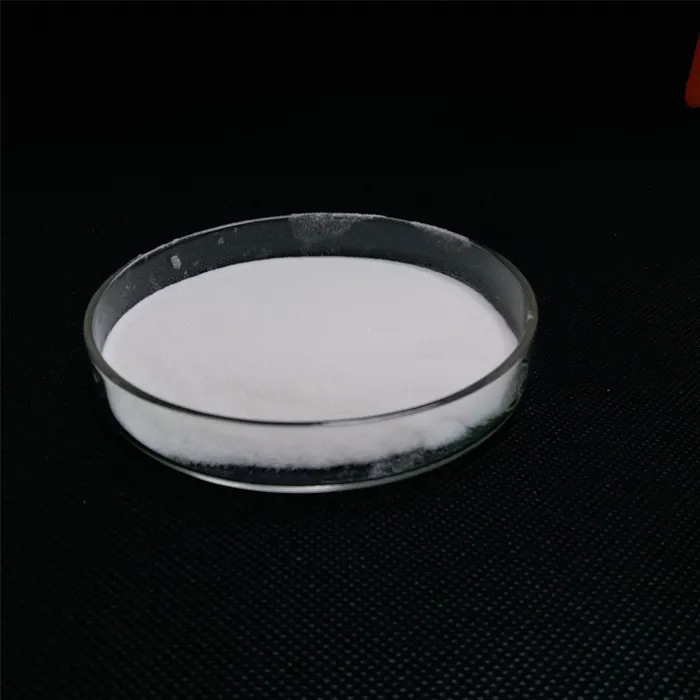
| Appearance | White to off‑white powder, slight odor |
| Assay (HPLC) | ≥ 98.0% (dry basis), batch data often ≈ 98.5–99.2% |
| Calcium content | ≈ 18–20% by ICP‑OES |
| Loss on drying | ≤ 1.0% |
| Heavy metals | Pb ≤ 1 ppm, Cd ≤ 0.5 ppm, As ≤ 1 ppm (ICP‑MS) |
| Microbiology | TAMC ≤ 10^3 cfu/g; TYMC ≤ 10^2 cfu/g; Pathogens: absent |
| Solubility | Freely soluble in water; practical pH (1%): 5.5–7.0 |
| Shelf life | 24 months sealed, cool & dry, away from light |
How it’s made (brief process flow)
Materials: leucine derivative → oxidative deamination to α‑keto acid → neutralization with Ca(OH)₂/CaCO₃ → crystallization → centrifuge → vacuum dry → mill & sieve (D90 ≈ 150–250 μm).
Controls: HPLC assay (USP <621> methods), ICP‑OES for Ca, ICP‑MS for heavy metals, Karl Fischer, residual solvents (GC, ICH Q3C), microbiology per ISO 4833‑1/21527.
Applications and why formulators pick it
- Medical nutrition: low‑nitrogen formulas using keto‑analogues; stable calcium source helps with tablet hardness.
- Sports R&D: clean label amino‑acid analogue blends; flow is decent for direct compression, surprisingly.
- Specialty feed: precision protein strategies; compliance depends on locale.
Advantages reported by buyers: steady assay, relatively neutral taste, and predictable compression profile. A few customers say flow improves with 1–2% silica—your mileage may vary.
Vendor landscape (real‑world differences)
| Supplier | Origin | Lead time | Docs/Certs | Customization |
|---|---|---|---|---|
| KXD (Shijiazhuang) | Xingye Street, ETDZ, China | 10–15 days ex‑works | ISO 9001, ISO 22000/HACCP, CoA, MSDS; 3rd‑party tests on request | Particle size, low‑micro, custom assay windows |
| Generic Trader A | Mixed | 15–30 days | Basic CoA; variable audits | Limited |
| Lab‑Scale B | EU/US | Stock‑dependent | Excellent data, small lots | R&D only |
Customization, testing, and packaging
α-ketoleucine calcium is usually packed 25 kg/drum with double PE liners; nitrogen‑flush optional. Custom milled grades and tighter micro specs are doable. Typical third‑party data points we’ve seen: Assay 98.9% (HPLC), Ca 19.6% (ICP‑OES), Pb
Field notes (mini case studies)
- EU medical nutrition brand reformulated tablets: hardness +12% at same compression force using α-ketoleucine calcium with D90 ≈ 180 μm.
- APAC sports R&D line: reduced nitrogen declaration by swapping part of BCAA with keto‑analogues; label stayed clean, flow improved after 1% silica.
- Importer feedback: “COA matched SGS data within 0.3% on assay; no caking after 6 months at 25°C/60% RH.”
Compliance note: applicability varies by country and end‑use. Align with local standards (e.g., ISO 22000, GB 5009 methods for food chemistry, and ICH Q3D for elemental impurities) before commercialization.
Citations
- Clinical practice overview on keto‑analogues in nutrition: Cianciaruso et al., CJASN, 2020. doi:10.2215/CJN.03580320
- USP General Chapter <621> Chromatography, current edition (for HPLC method framework).
- ISO 22000:2018 Food safety management systems; ISO 4833‑1:2013 Microbiology of the food chain (TAMC).