

Understanding API Drug Meaning in Pharmaceutical Supply Chains
In the complex world of pharmaceutical manufacturing and global trade, the term API is frequently encountered. But what exactly does API drug meaning signify? API stands for Active Pharmaceutical Ingredient, and it's the component within a drug product that is biologically active. Understanding APIs is crucial for anyone involved in the pharmaceutical industry, from research and development to quality control and international commerce. This article will delve into the definition of API, its role in drug formulation, regulatory considerations, and its significance in global pharmaceutical supply chains. For high-quality API sourcing, explore the offerings at KXD Chemical.
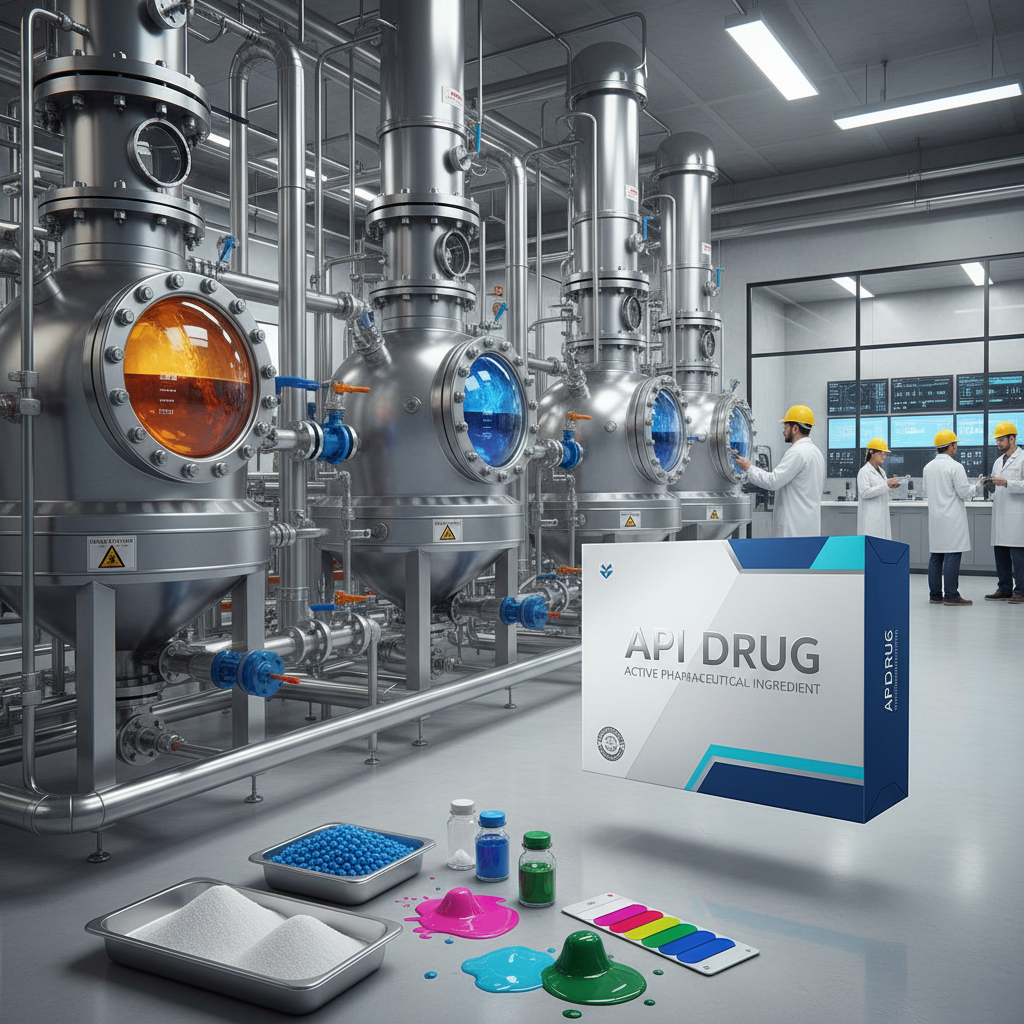
What is an Active Pharmaceutical Ingredient (API)?
Simply put, the API is the part of the medicine that actually treats your condition. Unlike excipients (inactive ingredients that help with delivery or stabilization), the API is directly responsible for the therapeutic effect. APIs can be derived from natural sources, like plants or microorganisms, or they can be synthesized chemically. The quality, purity, and consistency of the API are paramount to the safety and efficacy of the final drug product. Manufacturers meticulously control the API production process to ensure it meets stringent quality standards. Different APIs require different manufacturing processes, impacting cost and availability.
Key Takeaway: The API is the biologically active component of a drug, responsible for its therapeutic effect. Quality and purity are critical.
API Manufacturing Processes & Sourcing
API manufacturing can be incredibly complex, involving multi-step chemical syntheses or sophisticated fermentation processes. The choice of manufacturing route depends on the API’s structure, required purity, and cost considerations. Many pharmaceutical companies choose to outsource API production to specialized manufacturers, particularly those located in countries with lower labor costs, like India and China. This practice, while economically advantageous, introduces complexities in supply chain management and quality control. Sourcing APIs from reliable and certified manufacturers is vital to prevent counterfeit products and ensure consistent quality. KXD Chemical specializes in providing high-quality APIs to meet demanding industry standards.
Regulatory Framework for APIs
The production and quality control of APIs are heavily regulated by international health authorities like the FDA (US Food and Drug Administration) and EMA (European Medicines Agency). Regulations such as Good Manufacturing Practice (GMP) guidelines dictate the standards for API manufacturing processes, ensuring product quality and consistency. These guidelines cover all aspects of production, from raw material sourcing to facility design and personnel training. Compliance with these regulations is essential for pharmaceutical companies to market their products globally. Regular inspections and audits are conducted to verify adherence to GMP standards.
Key Regulatory Requirements:
• GMP Compliance
• Detailed documentation of manufacturing processes
• Rigorous quality control testing
• Regular inspections by regulatory authorities
API vs. Finished Dosage Form: A Clear Distinction
It's important to differentiate between an API and a finished dosage form (FDF). The API is just one ingredient in the final medicine you take. The FDF includes the API plus excipients, which are inactive ingredients that serve various purposes – binding, coating, flavoring, etc. The FDF is what the patient actually consumes, such as a tablet, capsule, or injection. While API manufacturers focus on producing the pure, active ingredient, FDF manufacturers formulate these APIs into usable medications.
The Future of API Sourcing and Manufacturing
The API industry is constantly evolving, driven by factors like increasing demand for generic drugs, growing pressure to reduce costs, and a greater focus on sustainability. Continuous manufacturing processes, which offer higher efficiency and reduced waste, are gaining traction. Furthermore, blockchain technology is being explored to enhance supply chain transparency and traceability, combating counterfeiting and ensuring product authenticity. Finding reliable suppliers like KXD Chemical is paramount in navigating this changing landscape.

Conclusion
Understanding the API drug meaning is vital for success in the pharmaceutical industry. From ensuring quality control and regulatory compliance to navigating complex supply chains, a solid grasp of APIs is essential. Partnering with a trusted API supplier like KXD Chemical can provide you with the high-quality ingredients you need to bring life-saving medications to market.
Frequently Asked Questions (FAQs)
What are the common sources of APIs?
APIs are sourced from a variety of origins. They can be extracted from natural sources like plants, animals, or microorganisms through processes like fermentation or extraction. However, the majority of APIs today are chemically synthesized in laboratories. The specific sourcing method depends on the complexity of the molecule, cost-effectiveness, and scalability requirements. Increasingly, companies are also focusing on ‘green chemistry’ methods for sustainable API production.
What is the role of excipients in a finished drug product?
Excipients are inactive ingredients that play a crucial role in the formulation of a drug. They serve several key functions, including: binding the API together, controlling the release rate of the drug, improving its stability, enhancing its palatability (taste), and facilitating its administration (e.g., coating for tablets). Choosing the right excipients is vital to ensure the drug’s effectiveness, safety, and patient compliance.
How can pharmaceutical companies ensure API quality?
Ensuring API quality requires a multi-faceted approach. This includes rigorous supplier qualification audits, thorough testing of raw materials and finished APIs, adherence to Good Manufacturing Practices (GMP), robust quality control systems, and comprehensive documentation of all processes. Regular stability testing is also essential to confirm the API’s integrity over time. Partnering with reputable API manufacturers, like KXD Chemical, who prioritize quality and regulatory compliance, is a key strategy.