

Chemicals used in water treatment include chlorine and chloramine for disinfection, alum (aluminum sulfate) and ferric chloride for coagulation and flocculation, lime (calcium hydroxide) for pH adjustment and softening, sodium bicarbonate for alkalinity control, and activated carbon for adsorption of organic contaminants. Ozone and ultraviolet (UV) light are also employed for advanced disinfection processes. Polyphosphates are sometimes used to prevent corrosion and scale build-up in pipes.
- Orukọ ọja
- CAS No.
-
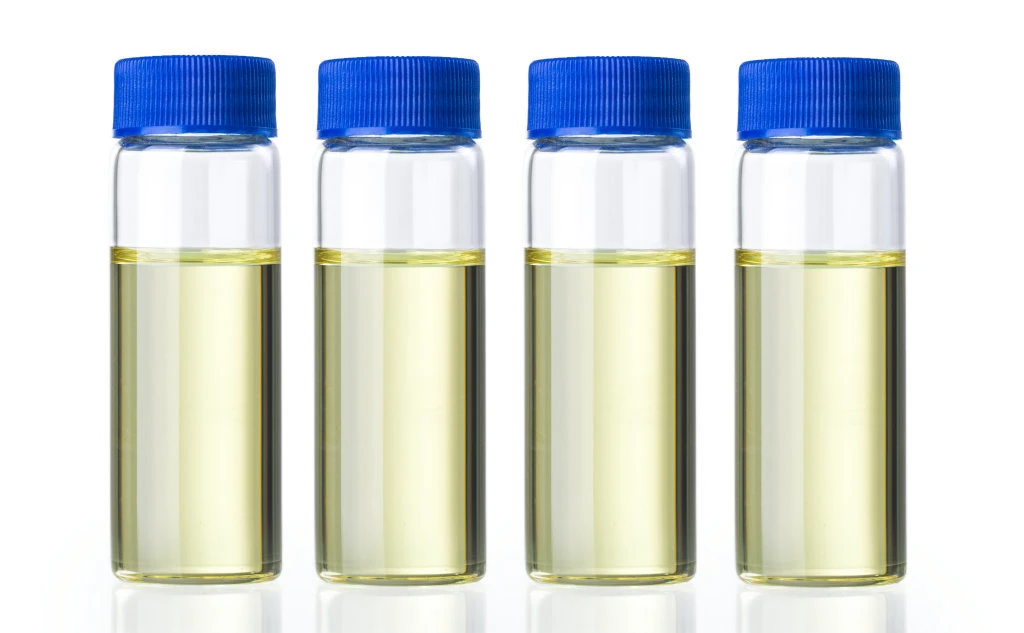 7281-04-1
 -
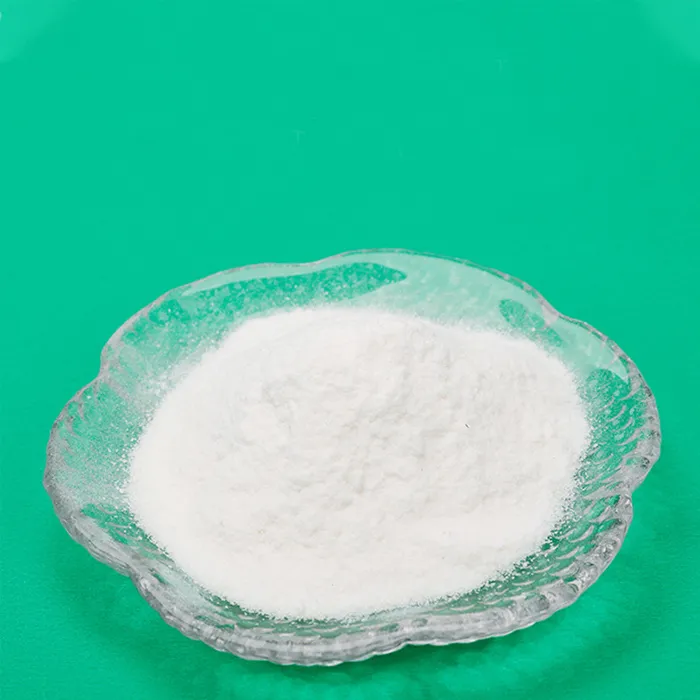 9003-05-8
What Is The Best Chemical For Cleaning Water?
The best chemical for cleaning water depends on the specific contaminants present and the desired water quality. Chlorine is widely regarded as one of the best chemicals for general disinfection due to its effectiveness in killing a wide range of pathogens and its relatively low cost. However, it can form harmful by-products, so chloramine is sometimes used as an alternative for longer-lasting disinfection with fewer by-products. Ozone and UV light are highly effective for disinfection without chemical residues, but they require more complex equipment. The choice of the best chemical or method depends on the specific requirements of the water treatment process and the desired outcomes.
Ka Awọn Iroyin Tuntun Wa
Apr.16,2026
Strategic Growth and Quality Guide for api pharma business
The global pharmaceutical landscape is evolving rapidly, placing a heightened emphasis on the quality and reliability of Active Pharmaceutical Ingredients (APIs). Navigating the api pharma business requires a deep understanding of regulatory compliance, chemical synthesis innovation, and supply chain resilience. For companies aiming to scale, the ability to source high-purity intermediates and maintain stringent quality control is the cornerstone of success. In this guide, we will explore the critical components of managing a successful API enterprise, from regulatory hurdles to the integration of green chemistry, ensuring your business remains competitive in an increasingly demanding market.
Ka siwaju
Apr.09,2026
Importance and Quality Standards of api of pharmaceutical
In the complex world of drug manufacturing, the api of pharmaceutical, or Active Pharmaceutical Ingredient, serves as the biological heart of any medication. While a pill may contain various fillers, binders, and coatings, the API is the specific component responsible for producing the desired therapeutic effect in the patient. Ensuring the purity, stability, and efficacy of these ingredients is not just a technical requirement but a critical safety mandate for global healthcare. From simple pain relievers to complex oncology treatments, the quality of the API dictates the success of the final medical product.
Ka siwaju
Apr.07,2026
Comprehensive Guide to API of Drugs Global Sourcing and Quality Control
In the complex world of pharmaceutical ingredient sourcing, understanding the API of drugs – Active Pharmaceutical Ingredients – is paramount. These are the biologically active components that produce the intended effects in medications. This article will provide a detailed overview of APIs, their sourcing, quality control, and the role of trusted suppliers like KXD Chem in navigating the global market. Effective API sourcing is crucial for pharmaceutical companies aiming for cost-efficiency, quality, and regulatory compliance.
Ka siwaju