

In the high-stakes world of performance textiles, where safety and durability are paramount, the quest for materials that can withstand extreme heat and resist ignition is relentless. While the spotlight often falls on the synthetic polymers themselves—polyesters, nylons, and acrylics—the true enablers of functionality are frequently the chemical modifiers added during synthesis. Among these, a compound with a seemingly simple structure is emerging as a critical performance catalyst: N,N’-Dimethyl urea (DMU). Often categorized among specialized pharmaceutical intermediates due to its role in drug synthesis, the uses of dimethyl urea extend far beyond the pharmacy. This versatile molecule, sourced from innovative pharmaceutical intermediates manufacturers, is proving indispensable in the production of intermediate pharmaceutical products and, more unexpectedly, in the realm of advanced material science. Its application as a key agent in the manufacture of flame-retardant fibers and heat-resistant textiles demonstrates a fascinating cross-industry value, turning a chemical intermediate into a cornerstone of material protection.
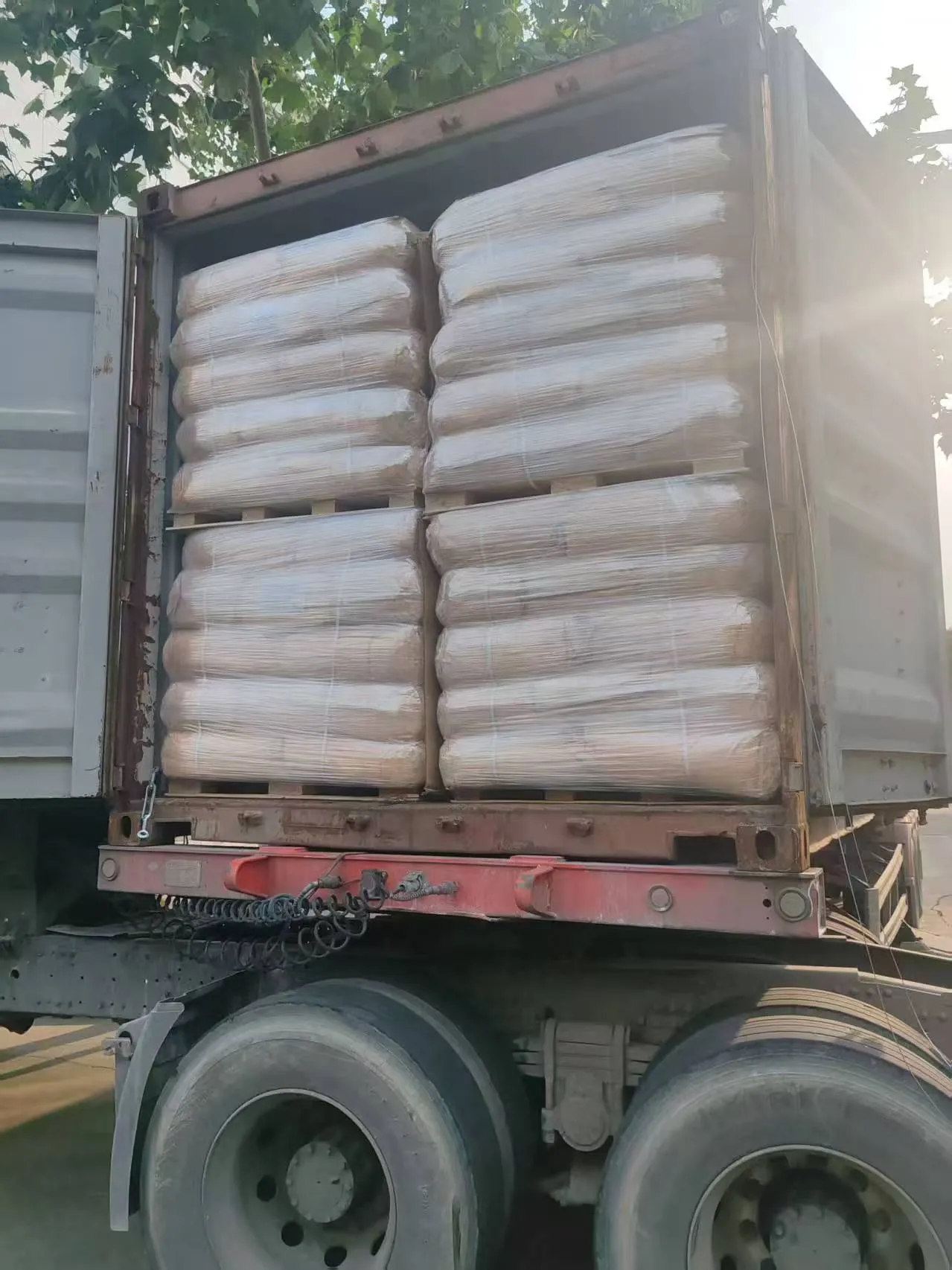
From Synthesis to Safety: Understanding N,N’-Dimethyl Urea as a Functional Agent
To appreciate the value of N N dimethyl urea in textiles, one must first understand its fundamental chemical behavior. DMU is an organic compound, a derivative of urea where two hydrogen atoms on the nitrogen atoms are replaced by methyl groups. This structure grants it specific properties that are leveraged in chemical processes: it is a high-boiling, polar solvent and, most importantly, an excellent donor of methyl groups and a catalyst or reactant in transamidation and condensation reactions.
While widely available as pharmaceutical intermediates for sale for use in creating various APIs (Active Pharmaceutical Ingredients), these same properties are precisely what make it valuable in polymer chemistry. In the context of fiber production, DMU is not merely an additive; it acts as a reactive intermediate that facilitates the incorporation of flame-retardant elements directly into the molecular backbone of the polymer. Unlike topical coatings that can wash away or wear off, this approach leads to the creation of intrinsically safe fibers, where the flame-resistant property is inherent and permanent. The journey of this specific dimethylurea from a vessel in a chemical plant to a component within a high-performance fiber illustrates a powerful synergy between pharmaceutical chemistry and material engineering.
N,N’-Dimethyl Urea: Enhancing Flame Retardancy Through Chemical Integration
The primary application value of N N dimethyl urea lies in the production of inherently flame-retardant (FR) polymers, most notably certain types of polyacrylonitrile (PAN)-based fibers, which are precursors to carbon fiber but are also used themselves in protective textiles. The conventional process for creating FR acrylic fibers often involves copolymerizing acrylonitrile with a halogenated comonomer, such as vinylidene chloride. However, this method can present drawbacks, including the release of toxic hydrogen halide gases during combustion and potential environmental concerns.
This is where DMU offers a sophisticated alternative. It serves as a critical chemical agent in the production of a class of FR fibers where the flame retardancy is achieved through a different mechanism. N N dimethyl urea can be used to facilitate the incorporation of nitrogen-rich compounds into the polymer chain. Nitrogen-based flame retardancy is highly valued because, upon exposure to heat, these compounds decompose to form stable, non-flammable gases like nitrogen and ammonia. These gases dilute the concentration of oxygen and flammable volatile gases at the combustion zone, while simultaneously promoting char formation on the polymer surface. This char layer acts as a protective barrier, insulating the underlying material from the heat source and preventing the release of further flammable gases.
In this process, dimethyl urea acts as a reactive intermediate. It can participate in reactions that modify the polymer structure or help graft nitrogen-rich phosphazine or triazine rings onto the polymer backbone. The methyl groups in DMU can facilitate specific chemical transfers or act as a solvent medium that enables these complex reactions to proceed with high efficiency and yield. The result is a fiber with a significantly increased Limiting Oxygen Index (LOI)—the minimum concentration of oxygen required to support combustion. A standard textile fiber might have an LOI of 18-21, meaning it burns easily in air (which is 21% oxygen). An FR fiber engineered with the help of DMU can achieve an LOI of 28 or higher, meaning it will stop burning once the ignition source is removed, even in normal air.
N,N’-Dimethyl Urea: Imparting Thermal Stability and Process Efficiency
The value of N N dimethyl urea extends beyond just imparting flame retardancy. The same chemical modifications that grant flame resistance also contribute to enhanced thermal stability of the resulting fibers. The incorporation of robust, cyclic nitrogen-containing structures, facilitated by reactions involving DMU, raises the polymer's decomposition temperature. This means the textile can withstand higher operating temperatures before its physical properties begin to degrade. This makes it ideal for applications like protective clothing for firefighters and industrial workers, automotive interior textiles, and thermal insulation materials that must perform reliably under heat stress.
Furthermore, the use of DMU can improve the efficiency of the fiber manufacturing process itself. As a high-boiling polar solvent, it can provide a superior reaction medium for certain polymerization or modification steps compared to more traditional solvents. It can lead to more uniform reactions, better control over molecular weight, and reduced formation of undesirable by-products. This translates to a higher quality, more consistent fiber with predictable performance characteristics. For pharmaceutical intermediates manufacturers who produce high-purity DMU, this creates an unexpected but valuable market in performance materials, where consistency and purity are just as critical as they are in drug synthesis.
A Cross-Industry Material Sourced from Pharmaceutical Intermediates Manufacturers
The story of DMU in textiles is a powerful example of cross-industry innovation. A chemical primarily produced and refined for the exacting standards of the pharmaceutical industry—where it is a key building block for various intermediate pharmaceutical products—finds a second, highly demanding application in material science. The manufacturers who produce this dimethylurea for sale to the pharmaceutical sector are, perhaps unknowingly, providing a foundational material for the safety and protection of countless individuals.
The next generation of heat-resistant textiles, from the gear that protects a firefighter to the composite materials in an aircraft cabin, will increasingly rely on such intrinsic chemical modifications rather than superficial treatments. The role of specialized, high-purity intermediates like N,N’-Dimethyl urea will only grow in importance. Its ability to enable the creation of polymers that are not only inherently flame-retardant but also possess superior thermal stability and environmental profile, positions this humble molecule as an unsung hero in the field of advanced functional textiles. It demonstrates that the most profound advancements in safety often come not from grand inventions, but from the clever and innovative application of existing chemistry across traditional disciplinary boundaries.