

The pharmaceutical intermediate market has witnessed remarkable growth as drug manufacturers increasingly rely on specialized chemical compounds to streamline production processes. Among these crucial pharmaceutical formulation intermediates, 1,3-dimethylurea (CAS 96-31-1) has emerged as a particularly valuable catalyst in carbamate synthesis. This organic compound demonstrates unique properties that make it indispensable for producing certain classes of drugs, pesticides, and specialty chemicals. As the demand for complex carbamate derivatives grows in medicinal chemistry, understanding the catalytic behavior of 1,3-dimethylurea becomes essential for optimizing production efficiency and maintaining the stringent quality standards required in pharmaceutical manufacturing.
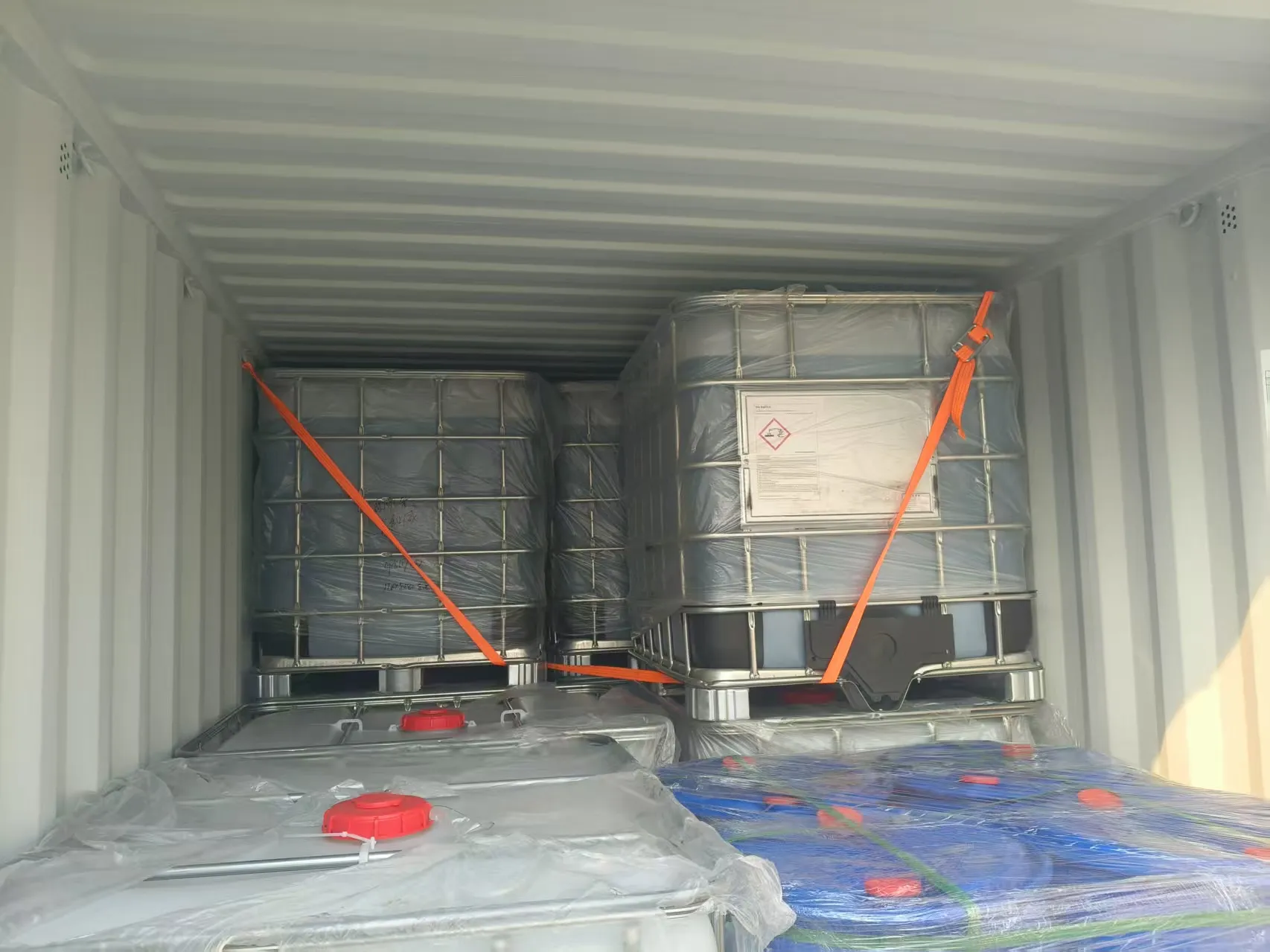
Chemical Profile of 1,3-Dimethylurea (CAS 96-31-1)
1,3-dimetilurea (96-31-1) possesses a molecular structure that confers exceptional catalytic capabilities in organic synthesis. As a substituted urea derivative with methyl groups at both nitrogen atoms, this pharmaceutical intermediate exhibits enhanced nucleophilicity compared to unsubstituted urea. The compound's relatively low melting point (approximately 101-103°C) and good solubility in polar organic solvents make it particularly suitable for homogeneous catalytic systems. In the context of the growing pharmaceutical intermediate market, 1,3-dimethyl urea stands out for its stability under various reaction conditions and its ability to participate in multiple catalytic cycles without significant degradation. These characteristics have established it as a preferred catalyst for carbamate formation, especially in processes requiring mild conditions and high selectivity.
1,3-dimetilurea: Mechanistic Insights into Carbamate Formation
The catalytic action of 1,3-dimethylurea in carbamate production involves a sophisticated sequence of molecular interactions that exemplify the precision of modern pharmaceutical formulation intermediates. When introduced into reaction systems containing alcohols and isocyanates, 1,3-dimethylurea (96-31-1) facilitates proton transfer processes that lower the activation energy for carbamate bond formation. The methyl groups on the urea nitrogen atoms create steric and electronic effects that promote the formation of a reactive intermediate complex. This mechanism allows for carbamate synthesis at significantly reduced temperatures compared to traditional methods, a crucial advantage in the pharmaceutical intermediate market where thermal sensitivity of starting materials is often a concern. The catalyst's ability to maintain activity over multiple reaction cycles contributes to more sustainable manufacturing processes with reduced waste generation.
1,3-dimetilurea’s Process Advantages in Industrial Applications
Incorporating 1,3-dimethylurea (96-31-1) as a catalyst offers several compelling advantages for large-scale carbamate production within the pharmaceutical intermediate market. The compound's high catalytic efficiency enables reductions in reaction times while maintaining excellent yields, addressing two critical concerns in pharmaceutical formulation intermediates manufacturing. Unlike some alternative catalysts, 1,3-dimethylurea does not typically require expensive metal co-catalysts or stringent oxygen-free environments, simplifying process design and reducing equipment costs. Furthermore, the catalyst's stability allows for easy recovery and reuse in many systems, contributing to more environmentally friendly production methods. These benefits have made 1,3-dimethylurea-containing processes particularly attractive for manufacturers of carbamate-based drugs, where both economic and green chemistry considerations are paramount.
1,3-dimetilurea: Solvent Systems and Reaction Optimization
The performance of 1,3-dimethylurea (96-31-1) as a carbamate synthesis catalyst varies significantly with the choice of solvent system, an important consideration in pharmaceutical formulation intermediates production. Polar aprotic solvents such as dimethylformamide (DMF) or acetonitrile typically provide optimal results, creating an environment where both the catalyst and reactants remain adequately solvated throughout the reaction. The pharmaceutical intermediate market has seen particular success with solvent systems that maintain 1,3-dimethylurea in solution at reaction temperatures while allowing easy separation during workup. Recent advances have demonstrated the catalyst's effectiveness in greener solvent alternatives, including ionic liquids and certain bio-based solvents, aligning with the industry's growing emphasis on sustainable manufacturing practices for pharmaceutical formulation intermediates.
1,3-dimetilurea’s Scale-Up Considerations for Industrial Production
Transitioning 1,3-dimethylurea (96-31-1)-catalyzed carbamate synthesis from laboratory to production scale presents unique challenges that must be carefully addressed. The exothermic nature of carbamate formation requires precise temperature control systems to maintain optimal catalytic activity and prevent thermal degradation of both the pharmaceutical intermediate and final product. Engineers designing large-scale processes must account for the catalyst's solubility characteristics and mass transfer limitations that become more significant at higher volumes. Within the competitive pharmaceutical intermediate market, successful scale-up of these processes has enabled manufacturers to produce carbamate derivatives at costs that make them viable for widespread therapeutic applications, while maintaining the stringent purity standards required for pharmaceutical use.
1,3-dimetilurea: Comparative Analysis with Alternative Catalysts
When evaluated against other catalysts used in carbamate production, 1,3-dimethylurea (96-31-1) demonstrates several distinct advantages that explain its growing prominence in the pharmaceutical intermediate market. Unlike metal-based catalysts, this pharmaceutical formulation intermediate leaves no metallic residues that could complicate purification or raise regulatory concerns. Compared to stronger organic bases sometimes employed in carbamate synthesis, 1,3-dimethylurea offers superior selectivity, particularly in complex molecules containing multiple functional groups. The catalyst's molecular structure provides an optimal balance between activity and stability that has proven difficult to replicate with other small-molecule catalysts. These advantages have made 1,3-dimethylurea particularly valuable for producing carbamate derivatives where product purity and process efficiency are equally critical.
1,3-dimetilurea: Emerging Applications in Specialty Carbamates
Beyond its established uses, 1,3-dimethylurea (96-31-1) is finding new applications in the synthesis of sophisticated carbamate derivatives that represent the cutting edge of pharmaceutical formulation intermediates. Researchers have successfully employed the catalyst in producing chiral carbamates through asymmetric synthesis approaches, expanding its utility in modern drug development. The pharmaceutical intermediate market has seen growing interest in these applications as the demand for enantiomerically pure drugs continues to rise. Additionally, the catalyst has shown promise in continuous flow chemistry systems for carbamate production, demonstrating the versatility that makes 1,3-dimethylurea valuable for both traditional batch processing and innovative manufacturing platforms.
The Evolving Role of 1,3-Dimethylurea in Pharmaceutical Synthesis
The demonstrated effectiveness of 1,3-dimethylurea (96-31-1) as a carbamate synthesis catalyst has secured its position as a valuable asset in the pharmaceutical intermediate market. Its unique combination of catalytic activity, selectivity, and process compatibility addresses multiple challenges in producing high-quality pharmaceutical formulation intermediates. As drug development increasingly relies on complex carbamate derivatives for therapeutic applications, the importance of efficient, reliable production methods will only grow. With ongoing research revealing new applications and process improvements, 1,3-dimethylurea is poised to remain a key catalyst in pharmaceutical manufacturing, bridging the gap between laboratory-scale innovation and large-scale production of essential medicines. The compound's success story underscores how carefully designed small molecules can play transformative roles in modern pharmaceutical synthesis.