

The chemical compound 1,3-dimethylurea plays a vital role as a pharmaceutical intermediate in modern drug manufacturing processes. When companies buy pharmaceutical intermediates like this dimethyl urea derivative, they must recognize its unique properties that dictate specific handling protocols. As one of many essential drug intermediates, 1,3-dimethylurea requires careful attention throughout the supply chain to maintain its chemical integrity and ensure safety.
The dimethyl urea uses in pharmaceutical synthesis are varied and valuable, making proper storage and transportation crucial for preserving its quality. Unlike bulk chemicals, this specialized intermediate demands particular conditions to prevent degradation or hazardous situations. The dimethyl urea price reflects both its synthetic value and the costs associated with maintaining appropriate storage environments throughout distribution networks.
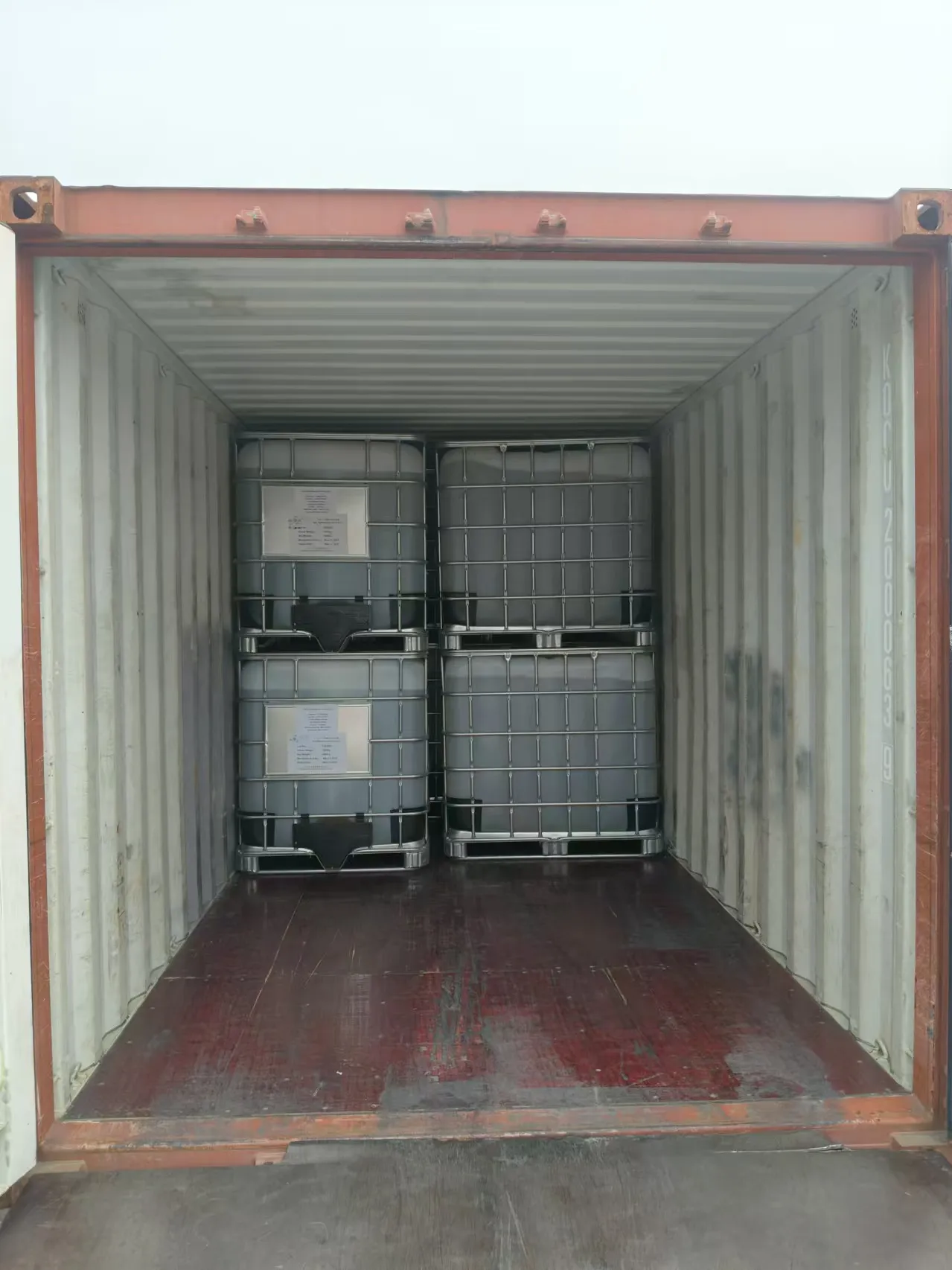
Optimal Storage Conditions for 1,3-Dimethylurea Inventory
Proper storage begins with selecting appropriate facilities when you buy pharmaceutical intermediates such as 1,3-dimethylurea. The compound requires dry, well-ventilated storage areas with strict temperature control. Maintaining these conditions becomes particularly important for drug intermediates that may degrade or become unstable when exposed to moisture or temperature fluctuations.
The storage environment for this pharmaceutical intermediate should be free from direct sunlight and protected from extreme heat sources. While the exact dimethyl urea price may fluctuate with market conditions, improper storage can lead to much greater financial losses through product spoilage or safety incidents. Facilities storing multiple drug intermediates must ensure proper segregation to prevent cross-contamination or unwanted chemical reactions.
For long-term storage of this pharmaceutical intermediate, nitrogen blanketing or desiccant systems may be employed to prevent moisture absorption. These precautions help preserve the quality of 1,3-dimethylurea regardless of external humidity conditions. The specific dimethyl urea uses in final drug formulations often require extremely pure material, making such protective measures essential throughout the storage period.
Packaging Specifications for 1,3-Dimethylurea Preservation
The packaging used when you buy pharmaceutical intermediates like 1,3-dimethylurea significantly impacts its shelf life and safety. High-quality, chemically resistant containers are mandatory for this pharmaceutical intermediate, typically featuring multiple protective layers. The packaging must account for all potential dimethyl urea uses in downstream processes while preventing contamination or degradation during storage.
Common packaging formats for this drug intermediate include sealed plastic drums with polyethylene liners or specialized composite containers. These materials provide an effective barrier against moisture while resisting chemical interaction with 1,3-dimethylurea. The dimethyl urea price often includes these protective packaging costs, as they are essential for maintaining product quality.
When handling multiple drug intermediates in a facility, clearly labeled packaging becomes crucial for proper identification and segregation. The labeling should include not just the chemical name but also relevant hazard information and storage requirements. This becomes especially important when storing 1,3-dimethylurea near other pharmaceutical intermediates with different handling characteristics.
1,3-դիմեթիլուրա’s Temperature Control During Transportation
The movement of 1,3-dimethylurea between facilities presents unique challenges that differ from stationary storage. When you buy pharmaceutical intermediates in bulk, the transportation phase often represents the greatest risk to product integrity. Maintaining appropriate temperature ranges during transit is essential for this pharmaceutical intermediate, requiring specialized equipment or seasonal adjustments to shipping methods.
Climate-controlled vehicles are often necessary for transporting this drug intermediate, particularly in extreme weather conditions. The dimethyl urea price may vary based on these transportation requirements, reflecting the additional costs of temperature-controlled logistics. During summer months or in tropical climates, refrigerated transport might be necessary to prevent thermal degradation.
For international shipments of this pharmaceutical intermediate, the transportation plan must account for potential delays at customs or during transshipment. Contingency measures should be in place to maintain proper storage conditions even if the normal schedule is disrupted. These precautions help ensure that when customers buy pharmaceutical intermediates, they receive material that meets all quality specifications regardless of transportation challenges.
1,3-դիմեթիլուրա’s Moisture Protection Strategies Throughout Distribution
The hygroscopic nature of 1,3-dimethylurea makes moisture control a primary concern during both storage and transportation. This characteristic significantly influences how companies handle this drug intermediate throughout the supply chain. The dimethyl urea uses in sensitive pharmaceutical reactions often demand extremely low moisture content, necessitating rigorous protection measures.
Desiccant packs within packaging provide the first line of defense against moisture for this pharmaceutical intermediate. When you buy pharmaceutical intermediates in quantity, suppliers typically include these moisture-absorbing materials as standard practice. The dimethyl urea price reflects these necessary protective components that help maintain product quality during storage and shipment.
In high-humidity environments, additional precautions may be required for this drug intermediate. Secondary containment systems or specialized barrier packaging can provide extra protection against atmospheric moisture. These measures become particularly important when the pharmaceutical intermediate must be stored for extended periods before use in manufacturing processes.
1,3-դիմեթիլուրա: Hazard Communication and Regulatory Compliance
Proper labeling and documentation are essential components when handling 1,3-dimethylurea and other drug intermediates. Regulatory requirements for this pharmaceutical intermediate include specific hazard communication standards that must be followed during both storage and transportation. These protocols help ensure safety throughout the supply chain when companies buy pharmaceutical intermediates in bulk.
Safety Data Sheets (SDS) must accompany all shipments of this drug intermediate, providing essential information for proper handling and emergency response. The dimethyl urea price includes compliance costs associated with maintaining and distributing these critical documents. Understanding all potential dimethyl urea uses and associated hazards allows facilities to implement appropriate safety measures.
Training programs for personnel handling this pharmaceutical intermediate should cover not just the chemical properties but also proper storage and transportation protocols. Regular refresher courses help maintain awareness as regulations evolve or when new drug intermediates are introduced to the facility. This ongoing education represents a crucial investment in operational safety and regulatory compliance.
1,3-դիմեթիլուրա: Inventory Management and Stock Rotation Practices
Effective inventory control systems are particularly important for managing 1,3-dimethylurea and similar pharmaceutical intermediates. The dimethyl urea price and value as a drug intermediate justify implementing sophisticated tracking systems to ensure proper stock rotation and prevent excessive aging of material.
First-expired-first-out (FEFO) inventory systems help maintain quality when storing this pharmaceutical intermediate. When you buy pharmaceutical intermediates with limited shelf lives, these systems automatically prioritize use of older stock while maintaining proper storage conditions. The specific dimethyl urea uses in each facility will determine the acceptable storage duration and necessary quality control testing intervals.
Digital inventory management systems can provide real-time monitoring of storage conditions for this drug intermediate. These systems alert personnel to any deviations from required temperature or humidity ranges, allowing for immediate corrective action. The investment in such technology is justified by the dimethyl urea price and the potential costs of spoiled inventory.
1,3-դիմեթիլուրա’s Emergency Preparedness and Spill Response
Despite all precautions, facilities storing and handling 1,3-dimethylurea must be prepared for potential accidents involving this pharmaceutical intermediate. Comprehensive emergency response plans should account for all possible scenarios when working with such drug intermediates, including spills, leaks, or exposure incidents.
Specialized spill kits designed for this pharmaceutical intermediate should be readily available in all storage and handling areas. When you buy pharmaceutical intermediates in quantity, suppliers often can provide guidance on appropriate spill response materials. The dimethyl urea price may seem secondary to safety considerations, but proper emergency preparedness actually protects the financial investment in these valuable materials.
Personnel training should include regular drills for responding to incidents involving this drug intermediate. Understanding the specific hazards and proper containment methods helps minimize risks to both employees and inventory. These preparations are essential regardless of the scale of dimethyl urea uses in a particular facility.
1,3-դիմեթիլուրա: Quality Assurance and Receiving Protocols
Implementing rigorous quality control measures when receiving shipments of 1,3-dimethylurea helps ensure the integrity of this pharmaceutical intermediate. The dimethyl urea price represents a significant investment that should be protected through thorough inspection upon arrival at the storage facility.
Visual inspection of packaging for this drug intermediate should occur before accepting delivery. Any signs of damage, moisture exposure, or temperature abuse should be documented and may warrant rejection of the shipment. When you buy pharmaceutical intermediates, establishing clear acceptance criteria with suppliers helps prevent quality issues before they affect production.
Sampling and testing protocols for this pharmaceutical intermediate should verify that storage and transportation conditions have maintained product quality. The specific dimethyl urea uses in your processes will determine which quality parameters are most critical to test upon receipt. These measures help ensure that only material meeting all specifications enters your inventory system.