

The textile industry is perpetually innovating to meet consumer demands for fabrics that are not only aesthetically pleasing but also functionally advanced. Among the most sought-after properties is wrinkle resistance, a feature that reduces laundering effort, maintains a pristine appearance, and extends the garment's lifespan. Traditional anti-wrinkle finishing agents, often based on formaldehyde-releasing compounds like dimethylol dihydroxyethyleneurea (DMDHEU), have raised significant health and environmental concerns. This has catalyzed a vigorous search for safer, more sustainable alternatives. In a surprising intersection of disciplines, a compound primarily known as a pharmaceuticals intermediate has emerged as a highly effective solution: 6-Amino-1,3-dimetilurasil (CAS No. 6642-31-5). This molecule, typically sourced from a specialized pharmaceutical intermediates manufacturer for drug synthesis, demonstrates remarkable potential as a novel anti-wrinkle finishing agent, offering a compelling blend of performance and biocompatibility.
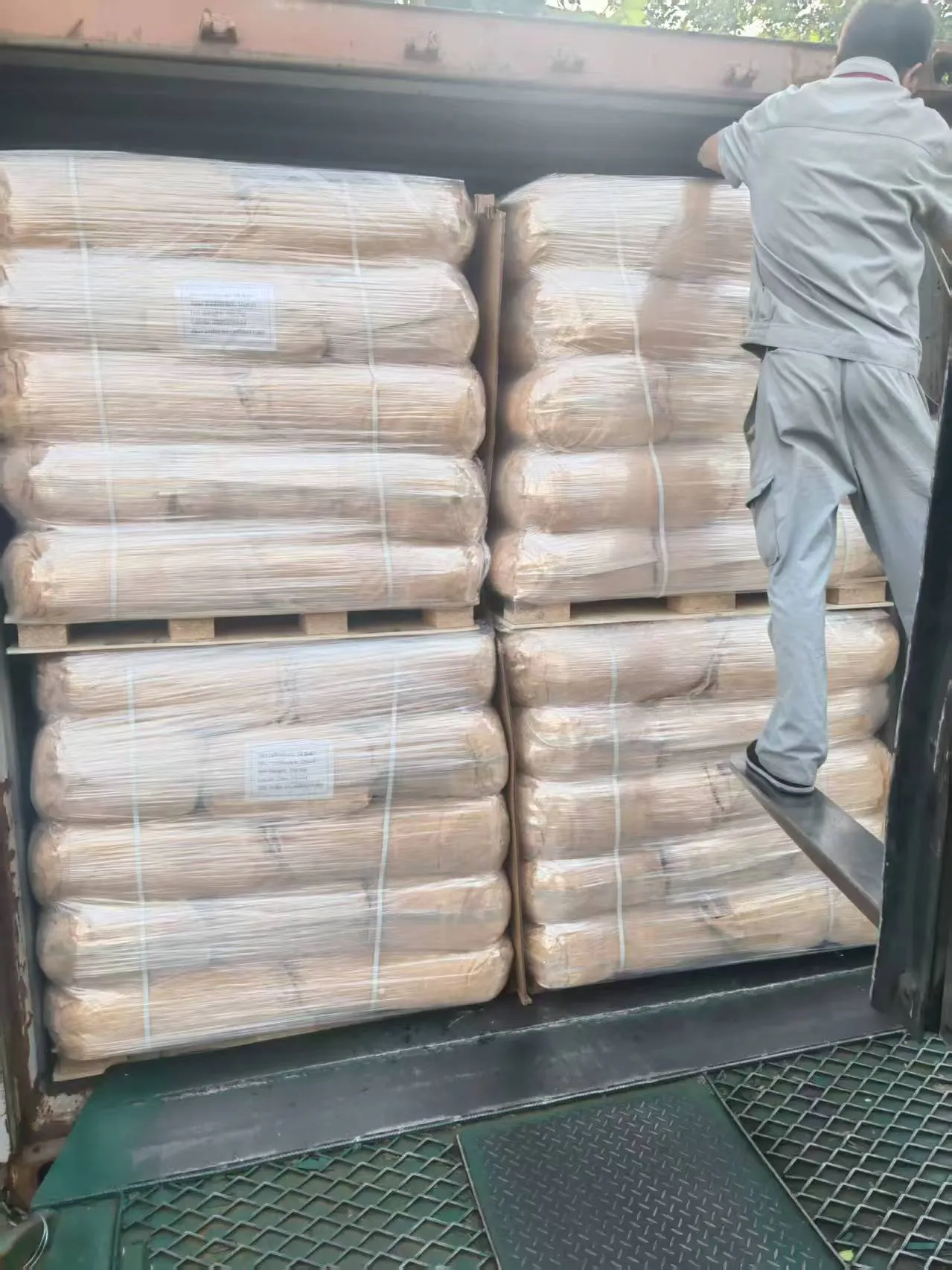
6-Amino-1,3-Dimethyluracil: The Journey of a Versatile Molecule
6-Amino-1,3-dimetilurasil is a heterocyclic organic compound belonging to the uracil family. With the specific identifier CAS No. 6642-31-5, it is precisely defined in chemical databases and regulatory documents. Its traditional role is firmly within the realm of pharmaceuticals. It serves as a crucial building block, or active pharmaceutical intermediate, in the synthesis of more complex molecules, particularly xanthine derivatives like theophylline, which is used to treat respiratory diseases. As a pharmaceutical formulation intermediate, its quality and purity are paramount, driving its production under stringent conditions by a pharmaceutical intermediates manufacturer. The molecule's structure features a uracil core—a six-membered ring with two nitrogen atoms—substituted with an amino group at the 6-position and methyl groups at the 1 and 3 positions. This unique arrangement confers upon it reactive sites (the amino group) and a specific geometry that allows it to interact strongly with cellulose fibers, forming the basis of its utility in textiles.
6-Amino-1,3-Dimethyluracil: The Mechanism of Wrinkle Formation and the Limitations of Conventional Chemistry
To appreciate the innovation behind 6-Amino-1,3-dimetilurasil, one must first understand the problem it solves. Cotton and other cellulose-based fabrics wrinkle easily because the polymer chains in their fibers are held together by weak hydrogen bonds. When the fabric is bent or crumpled, these bonds break and reform in new positions, locking in the deformed, wrinkled shape. The goal of anti-wrinkle finishing is to create strong, durable cross-links between these cellulose chains, preventing their slippage and thus the formation of wrinkles.
For decades, the industry relied on N-methylol compounds, most notably DMDHEU. These agents cross-link cellulose chains via ether linkages. However, their major drawback is the release of formaldehyde—a known human carcinogen—during the finishing process, from the finished fabric during wear, and eventually into the environment. This poses risks to textile workers, consumers (particularly those with skin sensitivities or allergies), and ecosystems. The search for non-formaldehyde alternatives has been a long-standing priority, leading researchers to explore various carboxylic acids, polycarboxylic acids like citric acid and butanetetracarboxylic acid (BTCA), and other novel compounds.
6-Amino-1,3-dimethyluracil: A Novel Mechanism for Cross-Linking Cellulose
The application of 6-Amino-1,3-dimetilurasil (CAS No. 6642-31-5) represents a paradigm shift in anti-wrinkle chemistry. Its mechanism of action is distinct from traditional methylol agents. Rather than forming ether cross-links, it functions through a multi-dentate coordination mechanism with metal salt catalysts.
The process typically involves impregnating the cotton fabric with an aqueous solution containing 6-Amino-1,3-dimetilurasil and a catalyst, often magnesium chloride (MgCl₂) or other Lewis acids. During the subsequent curing stage at elevated temperatures (e.g., 160-180°C), a complex series of interactions occurs:
Coordination and Activation: The catalyst ion (Mg²⁺) coordinates with the carbonyl oxygen atoms on the uracil ring of different 6-Amino-1,3-dimetilurasil molecules. This activation enhances the electrophilicity of the carbon atoms adjacent to the carbonyl groups.
Nucleophilic Attack: The primary amino group (-NH₂) on one molecule of 6-Amino-1,3-dimetilurasil acts as a potent nucleophile. It attacks the activated carbon atom on an adjacent molecule.
Cross-Link Formation: This nucleophilic substitution reaction results in the formation of a covalent bond between two molecules of the finishing agent, creating a dimeric or oligomeric bridge.
Anchor to Cellulose: Crucially, these bridged structures simultaneously form strong coordination bonds with the hydroxyl groups (-OH) on the cellulose chains via the central metal ion catalyst. The Mg²⁺ ion acts as a "clamp," holding the cellulose chains together through the uracil-based bridge.
This mechanism creates a robust, three-dimensional network of cross-links within the fiber structure. The covalent bonds within the uracil bridges and the coordination bonds to cellulose are highly durable, effectively locking the polymer chains in place and providing excellent wrinkle recovery.
6-Amino-1,3-Dimethyluracil’s Performance Advantages and Benefits in Textile Finishing
Fabrics treated with 6-Amino-1,3-dimetilurasil exhibit a superior profile of properties that meet or exceed those achieved with conventional finishes.
Exceptional Wrinkle Recovery Angle (WRA): Treated fabrics show a significant improvement in WRA, a standard measure of a fabric's ability to return to its original flat state after being crumpled. Values often surpass 250-280°, indicating a high level of wrinkle resistance.
Durability to Laundering: The cross-links formed are stable and resist hydrolysis during repeated home laundering, ensuring the anti-wrinkle effect is durable throughout the life of the garment.
Minimal Fabric Strength Loss: A common trade-off with strong cross-linking agents is a reduction in tensile and tear strength due to the increased brittleness of the fibers. The mechanism employed by 6-Amino-1,3-dimetilurasil, which involves metal ion coordination, often results in a more flexible cross-link network, thereby preserving a greater degree of the fabric's inherent strength compared to finishes using BTCA or DMDHEU.
Zero Formaldehyde Release: This is the most significant advantage. As the cross-linking mechanism does not involve formaldehyde chemistry in any way, the finished fabric is completely free of formaldehyde and its associated risks. This allows manufacturers to confidently market products as "non-toxic" and "eco-friendly."
Good White Degree and Handle: The treatment does not cause significant yellowing, a problem sometimes associated with polycarboxylic acids, especially at high curing temperatures. The handle, or feel, of the finished fabric remains soft and acceptable.
Sourcing and Economic Considerations: The Role of the Pharmaceutical Intermediates Manufacturer
The viability of this technology depends on a consistent and cost-effective supply of high-purity 6-Amino-1,3-dimetilurasil. This is where the expertise of a pharmaceutical intermediates manufacturer becomes unexpectedly vital to the textile industry. These manufacturers already possess the synthetic routes, purification expertise, and quality control systems to produce this compound on a large scale for the pharmaceutical market. While the purity requirements for textile applications may be slightly less stringent than for active pharmaceutical intermediates, the fundamental production process is the same.
Leveraging this existing supply chain is a strategic advantage. It avoids the need for the textile chemical industry to develop its own synthesis capabilities for this specific molecule from scratch. As demand grows, economies of scale can drive down the cost, making this innovative finish increasingly competitive with traditional and other alternative systems. The compound's role has thus expanded from a specialized pharmaceutical formulation intermediate to a versatile performance chemical with cross-industry appeal.
6-Amino-1,3-Dimethyluracil: A Wrinkle-Free, Health-Conscious Future for Textiles
The application of 6-Amino-1,3-dimetilurasil (CAS No. 6642-31-5) in textile finishing is a brilliant example of cross-disciplinary innovation. By repurposing a molecule known as a key pharmaceuticals intermediate, researchers have developed a highly effective, durable, and fundamentally safer anti-wrinkle technology. Its unique metal-catalyzed cross-linking mechanism provides excellent wrinkle recovery without the crippling drawback of formaldehyde release. This addresses the growing consumer and regulatory pressure for healthier and more sustainable textile products.
While challenges remain, such as optimizing catalyst systems and further reducing costs, the pathway is clear. The collaboration between the precision-driven world of the pharmaceutical intermediates manufacturer and the scale-oriented textile chemical industry can unlock the full potential of this technology. 6-Amino-1,3-dimetilurasil is more than just a finishing agent; it is a beacon pointing toward a future where high-performance textiles are synonymous with environmental responsibility and human health, ensuring that garments look good and do good.