

In the intricate world of pharmaceutical manufacturing, the quest for high-quality intermediates is paramount to ensuring the efficacy and safety of final products. Among these critical components, 1,3-dimethylurea stands out as a versatile and essential building block, particularly in the synthesis of caffeine and other alkaloids. With its unique chemical properties and reliable performance, this compound has become a cornerstone in modern pharmaceutical production. This article delves into the details of 1,3-dimethylurea, exploring its specifications, applications, and the expertise behind its supply, focusing on its role as a key intermediate for caffeine. We will also integrate key product parameters and address common questions to guide potential customers in making informed decisions.
Understanding 1,3-Dimethylurea and Its CAS No. 96-31-1
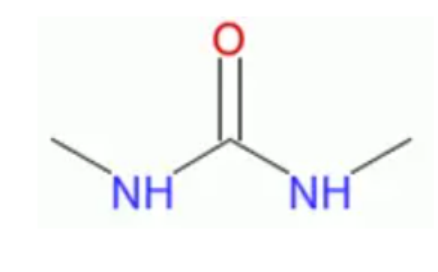
1,3-Dimethylurea, often referred to by its CAS no 96-31-1, is an organic compound with the molecular formula C3H8N2O and a molecular weight of 88.1. It appears as a colorless crystalline powder, known for its stability and versatility in various industrial processes. The CAS no 96-31-1 serves as a unique identifier, ensuring precise identification and quality control in global chemical trade. This compound is synthesized through controlled reactions, resulting in a high-purity product that meets stringent pharmaceutical standards. Its chemical structure, featuring two methyl groups attached to a urea backbone, enables it to participate in numerous reactions, making it invaluable as a pharmaceutical intermediate. Understanding this fundamental aspect is crucial for appreciating its role in complex synthesis pathways, such as those for caffeine production. The reliability of 1,3-dimethylurea is underscored by its consistent performance and adherence to international regulations, supported by its specific CAS no 96-31-1.
The Role of 1,3-Dimethylurea as a Pharmaceutical Intermediate for Caffeine
As a pivotal pharmaceutical intermediate, 1,3-dimethylurea plays a critical role in the synthesis of caffeine, a widely consumed stimulant found in beverages and medications. The process involves using 1,3-dimethylurea as a precursor in reactions that form the xanthine backbone of caffeine, ensuring high yield and purity. Beyond caffeine, this compound is instrumental in producing theophylline and other derivatives, highlighting its versatility in alkaloid chemistry. Its importance stems from its ability to facilitate efficient condensation and cyclization reactions, which are essential for building complex molecular structures. In the realm of pharmaceutical intermediates, 1,3-dimethylurea offers advantages such as minimal by-product formation and compatibility with various solvents, streamlining manufacturing processes. The use of CAS no 96-31-1 in this context guarantees that manufacturers source a standardized product, reducing variability and enhancing final product quality. This has made 1,3-dimethylurea a preferred choice for companies aiming to produce high-grade caffeine efficiently and cost-effectively.
Comprehensive Product Parameters and Company Excellence for 1,3-Dimethylurea CAS 96-31-1
To ensure transparency and trust, here are the detailed parameters for 1,3-dimethylurea (CAS no 96-31-1), presented in a table form as per the provided specifications. This data underscores its suitability as a pharmaceutical intermediate and other industrial applications.
|
Parameter |
Details |
|
Product Name |
N,N’-Dimethyl urea; 1,3-Dimethylurea; Dimethylurea |
|
Other Names |
Dimethyl urea; N,N’-dimethyl-Urea; 1,3-dimethyl-uree; n,n’-dimethylharnstoff; n,n’-dimethylharnstoff (german); sym-dimethylurea |
|
CAS No. |
96-31-1 |
|
Molecular Weight |
88.1 |
|
Molecular Formula |
C3H8N2O |
|
Use of 1,3-Dimethylurea |
- Used as a fiber treatment agent and crosslinking agent, free from formalin. |
|
Advantages |
- Endows fabrics with excellent wrinkle-resistance and anti-shrinkage properties. |
|
Package |
25kg/bag; one 20FCL can load 12 metric tons with pallets. |
|
Storage |
Store in a dry, ventilated storeroom, away from direct sunlight, with slight piling. |
Behind these parameters stands Shijiazhuang Kunxiangda Technology Co., Ltd., a company established in 2011 and dedicated to the production and trade of pharmaceutical intermediates like 1,3-dimethylurea. With a factory spanning 50 acres in Hebei’s Economic and Technological Development Zone, the company employs over 300 staff, including 9 technical experts, ensuring robust manufacturing capabilities. Their focus on quality is reinforced by long-term collaborations with Tsinghua University and Hebei University of Science and Technology, driving innovation in production technology to reduce costs and enhance product quality. By adhering to a harmony, integrity, and win-win philosophy, they have built a reputation for reliability, exporting to regions like Europe, South America, and Asia. This commitment positions them as a trusted partner for sourcing 1,3-dimethylurea (CAS no 96-31-1), guaranteeing a seamless supply chain for caffeine intermediate needs.
FAQs on 1,3-Dimethylurea CAS 96-31-1 as a Pharmaceutical Intermediate
This section addresses common inquiries about 1,3-dimethylurea (CAS no 96-31-1) to help customers understand its benefits and make informed purchasing decisions.
What are the advantages of using 1,3-dimethylurea?
1,3-Dimethylurea offers multiple advantages, including high purity and stability, which are essential for consistent pharmaceutical intermediate performance. Its minimal formaldehyde odor makes it safer to handle, while its efficiency in reactions reduces waste and lowers production costs. Additionally, it enhances product quality in caffeine synthesis, ensuring high yields and compliance with industry standards.
How does CAS no 96-31-1 ensure product quality?
The CAS no 96-31-1 serves as a global standard for identifying 1,3-dimethylurea, ensuring that customers receive a verified and uniform product. This unique code facilitates rigorous quality control during manufacturing and testing, preventing impurities and batch variations. It also aligns with regulatory requirements, guaranteeing that the intermediate meets pharmaceutical-grade specifications for caffeine production.
Why is 1,3-dimethylurea ideal for pharmaceutical intermediates?
1,3-Dimethylurea is ideal as a pharmaceutical intermediate due to its versatile chemical reactivity, which enables precise synthesis of complex molecules like caffeine. It acts as a reliable building block in condensation reactions, offering high selectivity and reducing side products. Its compatibility with various industrial processes further streamlines manufacturing, making it a cost-effective choice for large-scale production.
What makes 1,3-dimethylurea a top choice for caffeine production?
In caffeine production, 1,3-dimethylurea is a top choice because of its role in forming key xanthine structures efficiently. It ensures rapid reaction kinetics and high purity outcomes, which are critical for meeting the stringent demands of pharmaceutical applications. The use of CAS no 96-31-1 confirms its authenticity, providing manufacturers with confidence in its performance and consistency.
How does the company guarantee 1,3-dimethylurea reliability?
The company guarantees reliability through advanced production techniques, stringent quality audits, and partnerships with academic institutions for continuous improvement. Their expertise in pharmaceutical intermediates ensures that 1,3-dimethylurea (CAS no 96-31-1) is manufactured under controlled conditions, with thorough testing for purity and stability. This commitment to excellence supports customer trust and long-term collaboration.
In summary, 1,3-dimethylurea (CAS no 96-31-1) is an indispensable pharmaceutical intermediate for caffeine synthesis, backed by detailed parameters and a reputable supply chain. By choosing this compound, manufacturers can enhance efficiency, ensure quality, and contribute to sustainable pharmaceutical production. For more information or to discuss your specific needs, reach out to experienced suppliers who prioritize innovation and customer partnership.