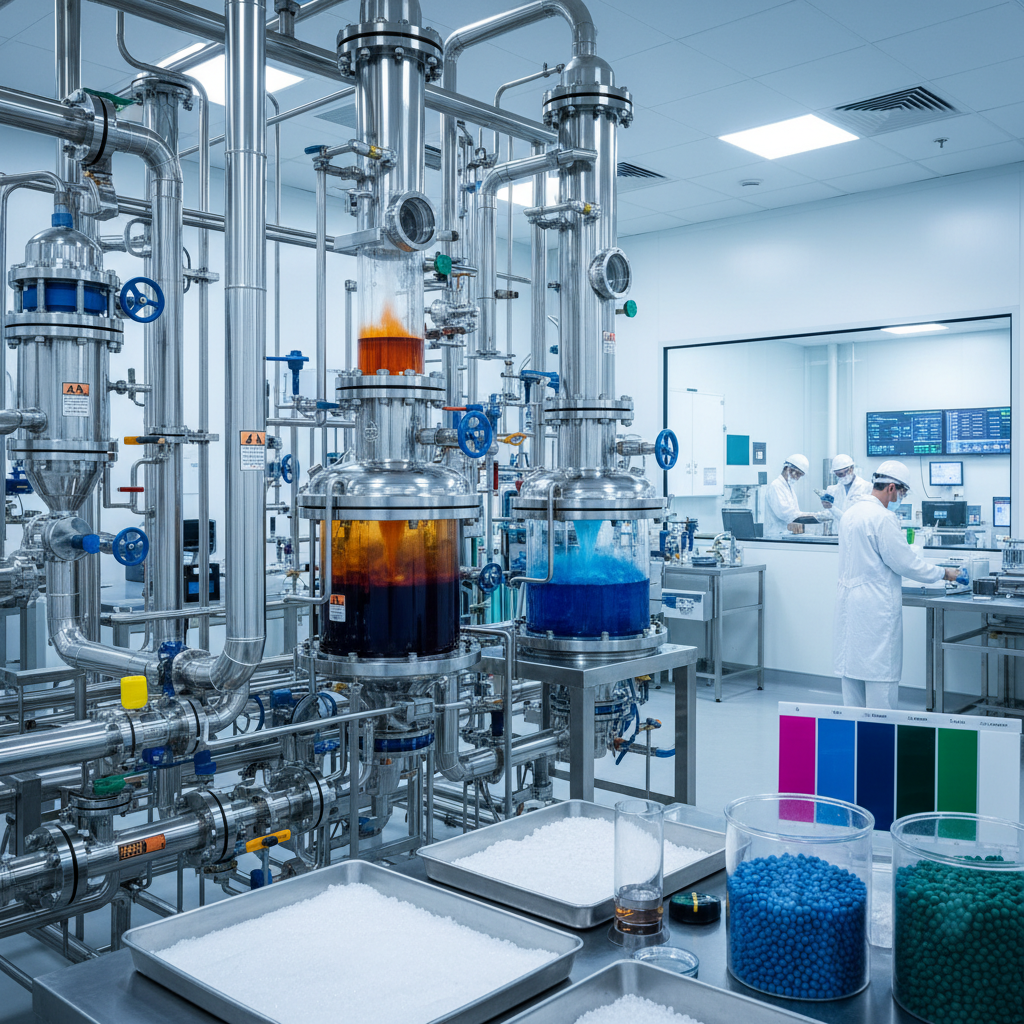
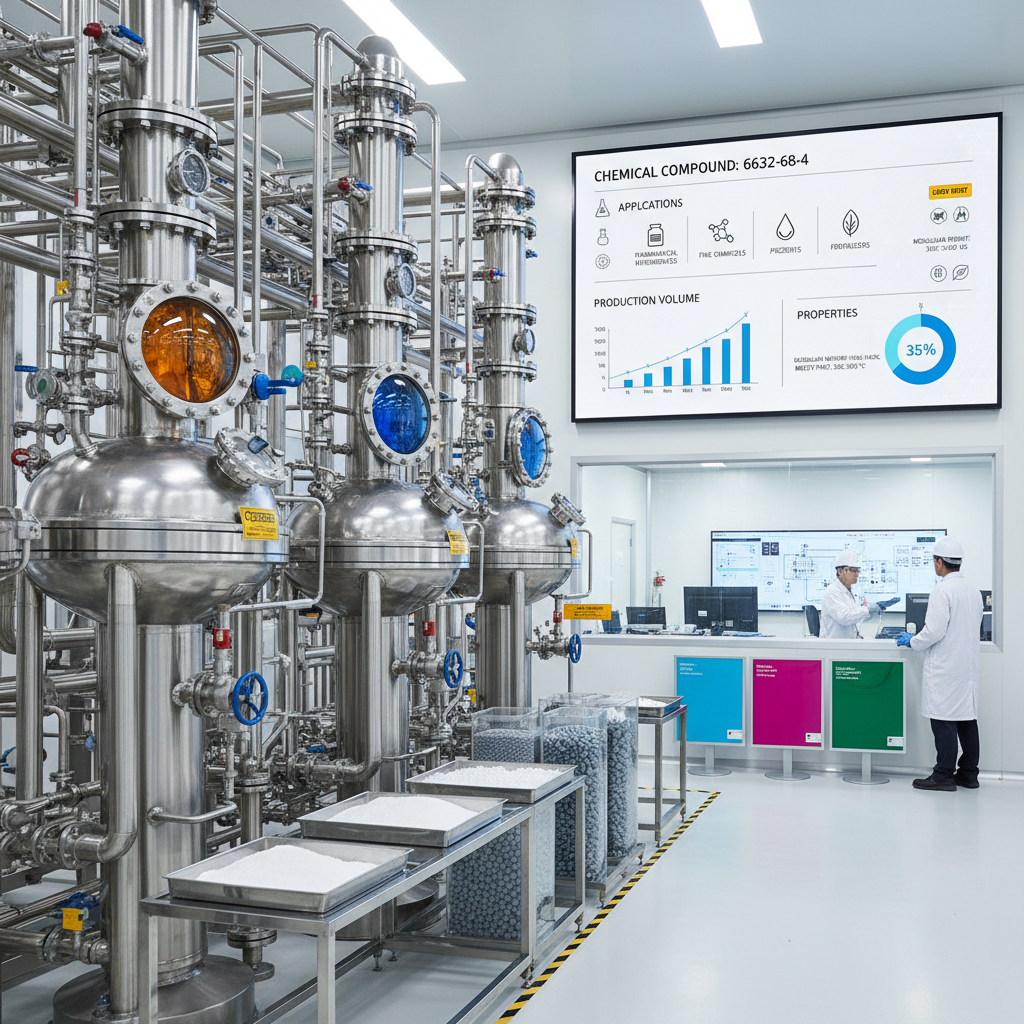
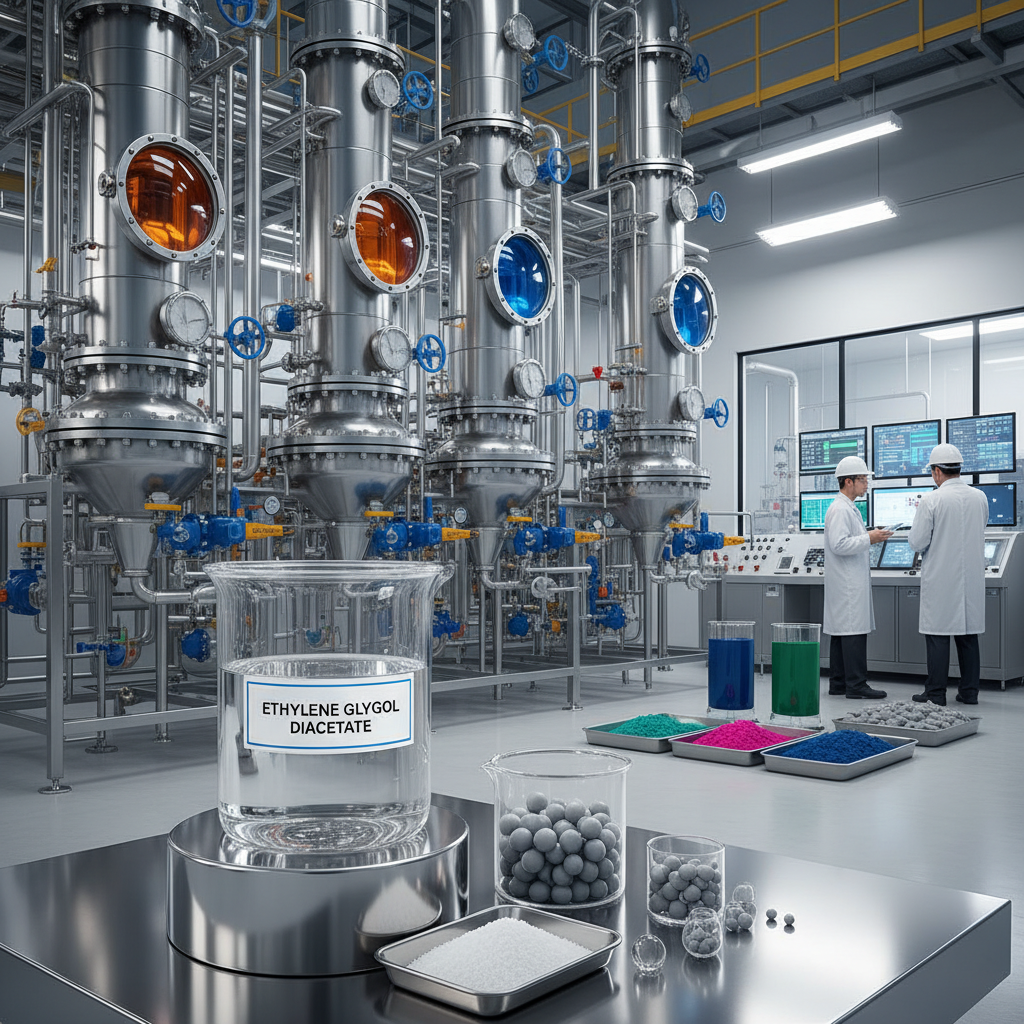
In the sophisticated landscape of pharmaceutical synthesis, 6632-68-4 emerges as a pivotal building block, essential for the development of high-purity pharmaceutical intermediates. As the global demand for targeted therapies and advanced medicinal chemistry grows, the precision with which this compound is synthesized and applied directly impacts the efficacy of the final active pharmaceutical ingredients (APIs). Understanding its chemical behavior and industrial utility is no longer optional for manufacturers striving for excellence in the pharmaceutical intermediate sector.
The global pharmaceutical market is currently witnessing a shift toward more complex molecular structures to combat resistant diseases and improve patient outcomes. Within this context, 6632-68-4 serves as a critical nexus in the synthesis chain, allowing chemists to introduce specific functional groups with high selectivity. By optimizing the use of this intermediate, companies can significantly reduce waste, lower production costs, and accelerate the time-to-market for life-saving medications.
Beyond its immediate chemical application, the strategic sourcing and quality control of 6632-68-4 reflect a broader commitment to E-E-A-T principles (Experience, Expertise, Authoritativeness, and Trustworthiness) in the chemical industry. From rigorous ISO certifications to adherence to Green Chemistry standards, the journey of this compound from a laboratory reagent to a bulk industrial intermediate encapsulates the intersection of scientific innovation and industrial reliability.
Global Relevance of 6632-68-4 in Medicine
The global pharmaceutical supply chain relies heavily on the stability and purity of intermediates like 6632-68-4 to ensure the safety of final drugs. In an era where the World Health Organization (WHO) and other global bodies are pushing for more accessible healthcare, the efficiency of producing these precursors determines the affordability of essential medicines in emerging markets.
As regulatory bodies like the FDA and EMA tighten their requirements for impurity profiles, the role of 6632-68-4 becomes even more critical. Manufacturers are now required to provide comprehensive traceability and analytical data, transforming a simple chemical intermediate into a highly regulated component of a complex medical ecosystem.
Technical Definition and Chemical Role of 6632-68-4
In technical terms, 6632-68-4 is a specialized chemical intermediate designed to facilitate specific organic transformations. It acts as a bridge in the synthesis of complex molecules, often providing the necessary structural backbone or functional reactivity required to link different chemical moieties. Its precise molecular weight and purity levels are calibrated to prevent side reactions during the API manufacturing process.
The connection between 6632-68-4 and modern humanitarian needs is most evident in the production of essential medications. By streamlining the synthesis of APIs used in cardiovascular or nervous system treatments, this compound helps in scaling up production to meet the needs of aging populations globally, ensuring that critical treatments are not limited by precursor shortages.
Furthermore, the versatility of 6632-68-4 allows it to be used across multiple therapeutic classes, from antineoplastic agents to systemic anti-infectives. This versatility makes it a high-value asset for pharmaceutical companies that maintain a diverse product portfolio, allowing for a more unified and efficient raw material procurement strategy.
Core Components and Quality Factors of 6632-68-4
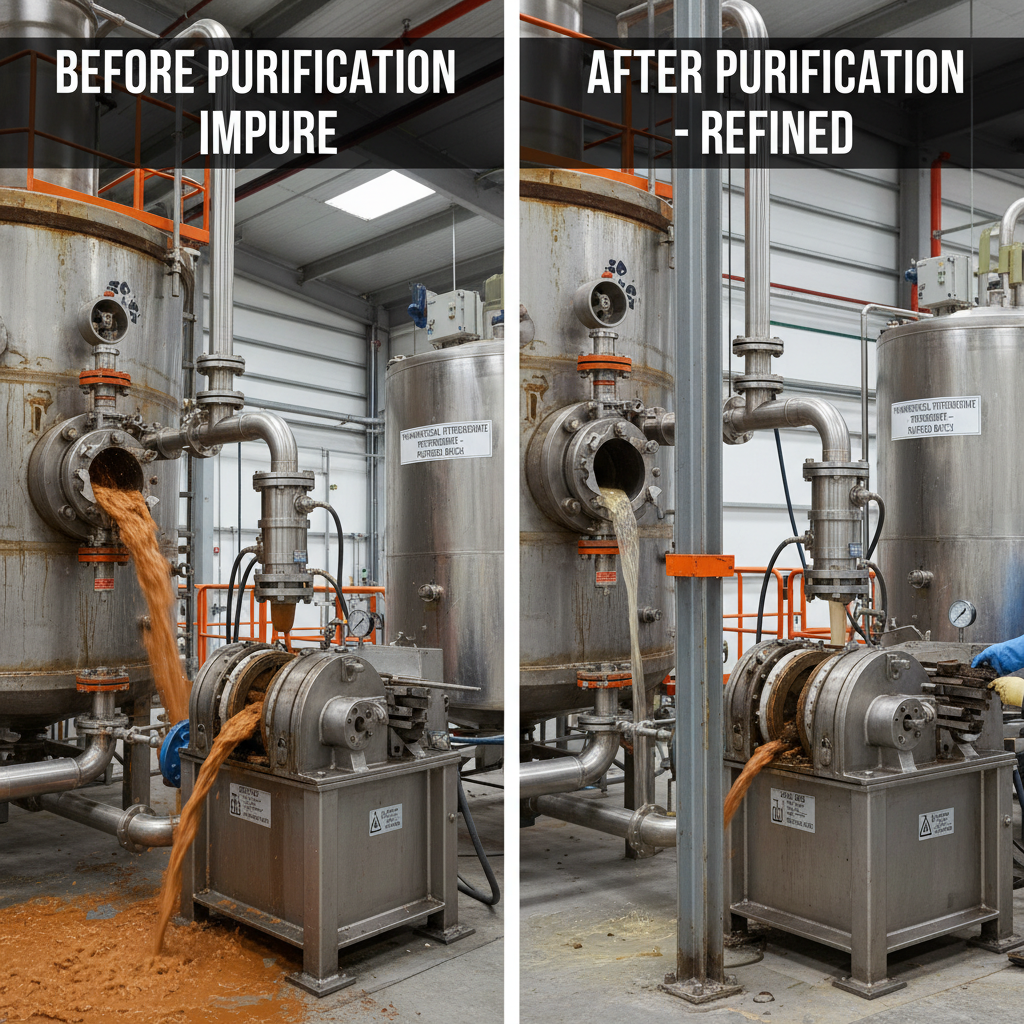
When evaluating the quality of 6632-68-4, the first and most critical factor is chemical purity. Even trace amounts of impurities can catalyze unwanted reactions in subsequent synthesis steps, leading to batch failures or, more critically, toxic residues in the final pharmaceutical product. High-performance liquid chromatography (HPLC) is typically employed to ensure purity levels exceed 99%.
Another core component of 6632-68-4's utility is its stability under varying storage conditions. In the global trade of chemical intermediates, the ability of a compound to resist degradation during long-distance shipping and varying temperature zones is paramount. This stability ensures that the potency of the intermediate remains constant from the factory gate to the laboratory bench.
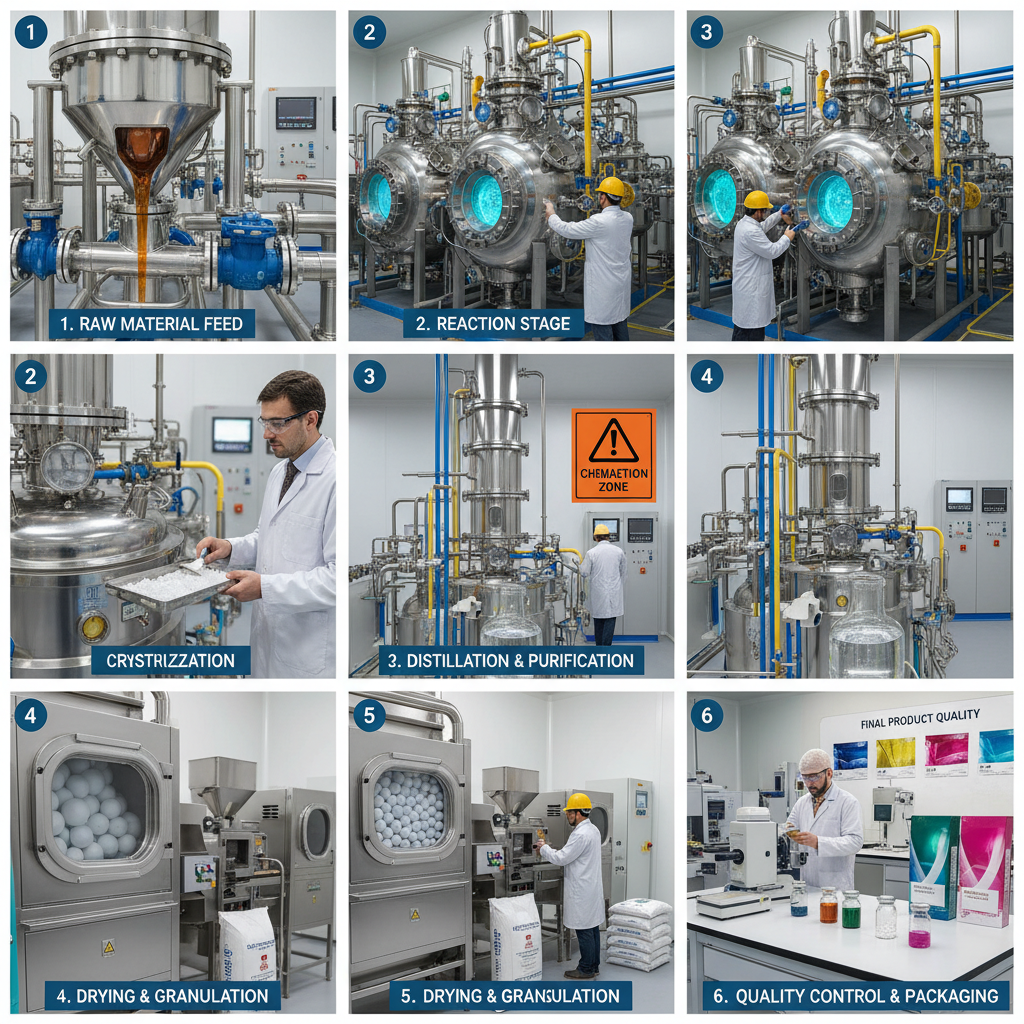
Scalability and cost-efficiency also play vital roles. For 6632-68-4 to be commercially viable, the synthesis route must be scalable from grams to tons without a loss in quality. This requires a deep understanding of thermodynamics and kinetics, ensuring that the heat of reaction is managed effectively during large-scale industrial production.
Industrial Applications and Synthesis Use Cases
The practical application of 6632-68-4 is widespread across the pharmaceutical industry. In the synthesis of Nervous System drugs, for example, this compound provides the precise spatial orientation required for molecules to cross the blood-brain barrier. This geometric precision is essential for the drug's pharmacological activity and its ability to bind to specific neural receptors.
Moreover, in the development of antineoplastic (anti-cancer) drugs, 6632-68-4 is often used to construct the core ring structures that inhibit tumor growth. Its use in these high-stakes applications requires an absolute adherence to GMP (Good Manufacturing Practice) standards, as the margin for error in oncology treatments is virtually zero.
Comparative Efficiency Analysis of 6632-68-4 Methods
Long-term Value and Strategic Advantages
Investing in high-grade 6632-68-4 provides tangible long-term benefits, primarily through the reduction of downstream purification costs. When a starting intermediate is of exceptional purity, the number of recrystallization and filtration steps required in the final API synthesis is reduced, leading to higher overall yields and less chemical waste.
From a strategic perspective, the reliability of 6632-68-4 fosters innovation. When researchers can trust the consistency of their building blocks, they can focus on optimizing the pharmacological profile of a drug rather than troubleshooting synthesis failures. This trust creates a foundation for rapid innovation in personalized medicine and rare disease treatments.
Future Innovations in 6632-68-4 Production
The future of 6632-68-4 production is inextricably linked to the rise of Green Chemistry. We are seeing a transition toward biocatalysis and enzyme-mediated synthesis, which aim to replace harsh organic solvents with aqueous environments. This shift not only reduces the environmental footprint but often results in higher enantiomeric purity for the final product.
Digital transformation is also reshaping how 6632-68-4 is manufactured. The implementation of continuous flow chemistry, as opposed to traditional batch processing, allows for real-time monitoring of reaction parameters using AI-driven sensors. This ensures that every gram of the intermediate produced meets an identical quality standard.
Additionally, the integration of automation and robotics in the handling of 6632-68-4 reduces human error and exposure to potentially hazardous reagents. As industry 4.0 penetrates the chemical sector, we expect to see fully autonomous synthesis loops that optimize the yield of this critical intermediate based on real-time demand signals.
Overcoming Challenges in 6632-68-4 Integration
Despite its benefits, the integration of 6632-68-4 into existing production lines can present challenges, particularly regarding solvent compatibility and heat management. Some older synthesis plants may struggle with the exothermic nature of certain reactions involving this compound, leading to localized overheating and impurity formation.
The solution lies in the adoption of advanced heat exchange systems and the use of precision-controlled dosing pumps. By modulating the rate at which 6632-68-4 is introduced into the reactor, engineers can maintain a steady thermal state, ensuring the reaction remains within the optimal kinetic window.
Another hurdle is the complex regulatory documentation required for international shipping. To overcome this, companies are adopting blockchain-based ledgers to provide an immutable record of the compound's origin, purity tests, and handling history. This transparency simplifies customs clearance and strengthens the trust between the intermediate supplier and the API manufacturer.
Comprehensive Analysis of 6632-68-4 Operational Metrics
|
Analysis Dimension
|
Standard Grade
|
Premium Grade
|
Impact Score (1-10)
|
| Purity Level |
98.5% |
99.7% |
10 |
| Stability (6 Months) |
Moderate |
Exceptional |
9 |
| Synthesis Yield |
70-80% |
85-95% |
8 |
| Cost per KG |
Competitive |
Premium |
7 |
| Regulatory Compliance |
ISO Standard |
GMP Certified |
10 |
| Reaction Speed |
Standard |
Accelerated |
8 |
FAQS
6632-68-4 primarily serves as a high-purity pharmaceutical intermediate. It is used to construct the molecular framework of various drugs, particularly those targeting the nervous system and antineoplastic therapies. Its role is to provide a stable, reactive platform that allows for the precise addition of functional groups without inducing degradation in the rest of the molecule.
Using a higher purity grade of 6632-68-4 reduces the need for extensive purification steps (like multiple recrystallizations) in the final API synthesis. This leads to higher overall yields and lower labor and solvent costs, effectively reducing the cost per dose of the final medication despite a potentially higher initial price for the premium intermediate.
Yes, 6632-68-4 is highly compatible with continuous flow systems. In fact, flow chemistry is recommended for this compound to better manage its exothermic reactions and ensure a consistent impurity profile. This modern approach allows for tighter control over residence time and temperature, resulting in a more uniform product.
To maintain its integrity, 6632-68-4 should be stored in a cool, dry environment, typically between 2-8°C for long-term storage, and protected from direct light and moisture. Using airtight, inert-gas purged containers (such as nitrogen) is recommended to prevent oxidation and hydrolysis of the functional groups.
Verification should be done through a combination of a Certificate of Analysis (CoA) and independent laboratory testing. We recommend using HPLC (High-Performance Liquid Chromatography) for purity and NMR (Nuclear Magnetic Resonance) for structural confirmation. Checking for a traceable batch number and GMP certification from the manufacturer is also essential.
Current innovations are focusing on biocatalysis and the use of "green" solvents like supercritical CO2 or water-based systems. These alternatives aim to reduce the hazardous waste generated during the synthesis of 6632-68-4, aligning the production process with global sustainability goals and reducing the overall carbon footprint of the pharmaceutical supply chain.
Conclusion
The strategic importance of 6632-68-4 in the pharmaceutical intermediate industry cannot be overstated. From its role as a structural linchpin in API synthesis to its impact on the final purity and cost of essential medicines, this compound embodies the precision and reliability required in modern chemical manufacturing. By focusing on high purity, stability, and sustainable production methods, manufacturers can ensure that the medications derived from this intermediate are safe, effective, and accessible to patients worldwide.
Looking forward, the integration of AI-driven production and green chemistry will further elevate the standards of 6632-68-4 synthesis. For pharmaceutical companies, the key to competitive advantage lies in partnering with suppliers who prioritize transparency, quality, and innovation. We invite you to explore how our commitment to excellence can support your synthesis goals. Visit our website: www.kxdchem.com